
BEYOND CLEANING
Sustainable development aspects strongly shape Kärcher’s activities. Our measures are aligned with our overarching strategic priorities: reducing our footprint, driving circularity and increasing transparency. Beyond Cleaning represents Kärcher's commitment to providing more than just cleaning solutions.
Goals & Progress
Sustainability Goals 2030
A responsible use of natural resources, the reduction of our footprint, and social responsibility form the basis of our actions. In accordance with our sustainability goals 2030, we have implemented meaningful measures to systematically make our company more efficient and resource-conserving and to fulfil our role as a social stakeholder.
Facts and Figures
Where there are targets, successes must be measurable. That also applies to our sustainability goals, as it is not enough for a company only to make a promise. Since 2014, we have been recording the implementation of our sustainability targets consistently, uniformly and completely digitally at all production and logistics sites worldwide. The sustainability report contains Kärcher’s key figures, targets and activities.
Climate & Environment
Through our Beyond Cleaning Initiatives for Climate & Environment, we translate our commitment into concrete action across both our products and corporate operations.
Plastics
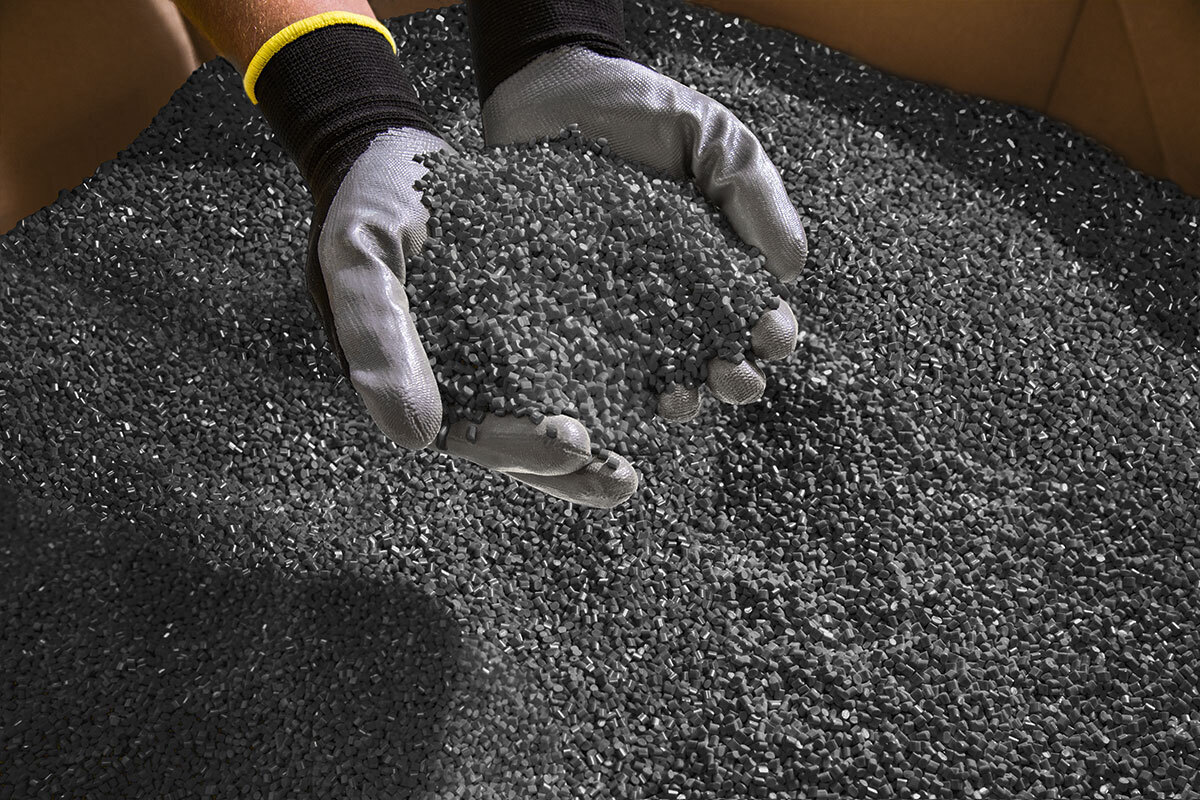
We already use recycled plastic in over 70 products and 180 cleaning products. This means that we have increased our use of recycled plastic by 41 per cent compared with the previous year. With our 2030 Sustainability Strategy, we are consistently following this path.
Cultural sponsorship
Since 1980, we have cleaned more than 200 monuments around the world as part of our restoration work. As well as the colonnades on St. Peter's Square in Rome, the statue of Christ the Redeemer in Rio de Janeiro, the over 3300-year-old Colossi of Memnon in Luxor, Upper Egypt, and the sculptures of presidents' heads on Mount Rushmore, this list also includes Aachen cathedral and the Kaiser Wilhelm Memorial Church in Berlin.
The removal of organic growth and black crusts helps to ensure that the monuments will continue to last for generations to come, as well as enabling restorers to identify and rectify damage more easily. The projects have a lead time of around two years and are always planned and executed in close collaboration with the owners, monument conservationists, restorers and art historians.