
Hygiene in the bedroom – tips for clean rooms and healthy sleep
Whether it's bed bugs, dust mites, animal hair, or house dust allergies – regular cleaning and prevention can reduce symptoms and increase well-being. With the right measures, you can create a fresh, low-allergen, and hygienically clean environment so you can start the next day well-rested and refreshed.
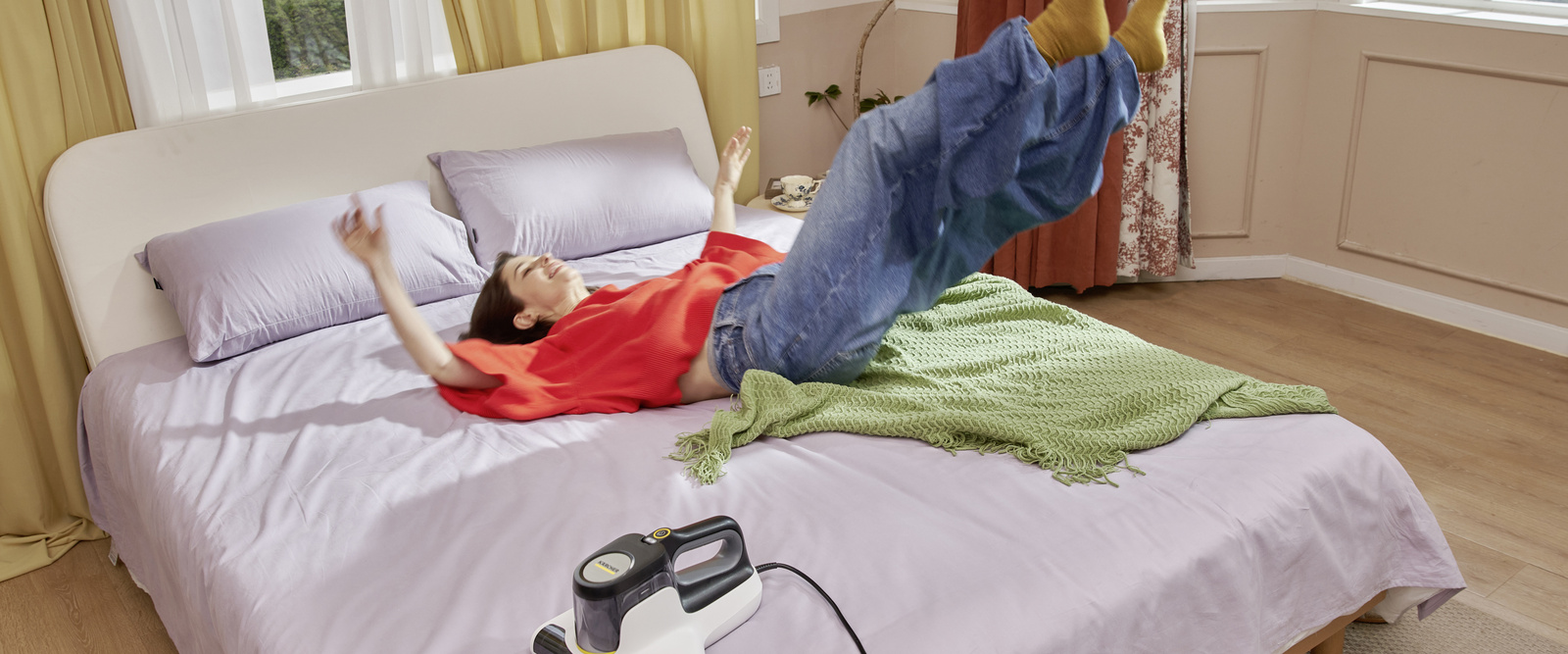
A single mattress can harbour up to 1.5 million dust mites – a hidden world! Animal hair, dust and even bed bugs also thrive in the bedroom. The possible consequences range from restless sleep to triggering or exacerbating allergies. This is why maintaining cleanliness and hygiene in the bedroom is particularly important for ensuring a healthy indoor climate and restful nights.
Detecting and removing mites in the bedroom
Mites are tiny arachnids that are barely visible to the naked eye. Dust mites are particularly common. They thrive in the warm, humid environment of mattresses, duvets, and pillows. The excrement of these unwanted creatures appears as a fine, dark dust. They are considered a major trigger for dust allergies. Symptoms such as sneezing in the morning, watery eyes, or a stuffy nose can indicate the presence of mites in the bed.
There are various ways to minimize exposure to dust mites, which can also be combined effectively.
- Wash bed linen and bedding regularly at 60°C, ideally once a week. Having a second set makes changing easier and allows the other set to dry thoroughly.
- Use mite-proof covers (encasings) for pillows and mattresses and vacuum frequently.
- Reduce or regularly clean carpets and curtains.
- Use air purifiers to filter dust from the air.
- Remove allergens such as dust mites, pollen, mold spores, or animal hair that are trapped in carpets and upholstery with a spray extraction cleaners.

A convenient, relatively new alternative for reducing mites are mattress cleaners, which use powerful suction, a beating roller, and UV light to clean mattresses and upholstery deep down. This efficiently and hygienically removes mites and dirt particles.
Cleaning your mattress – for a fresh bed climate
Mattresses provide an ideal breeding ground for mites, as they are full of skin flakes, sweat and dust. Therefore, regular cleaning is essential.
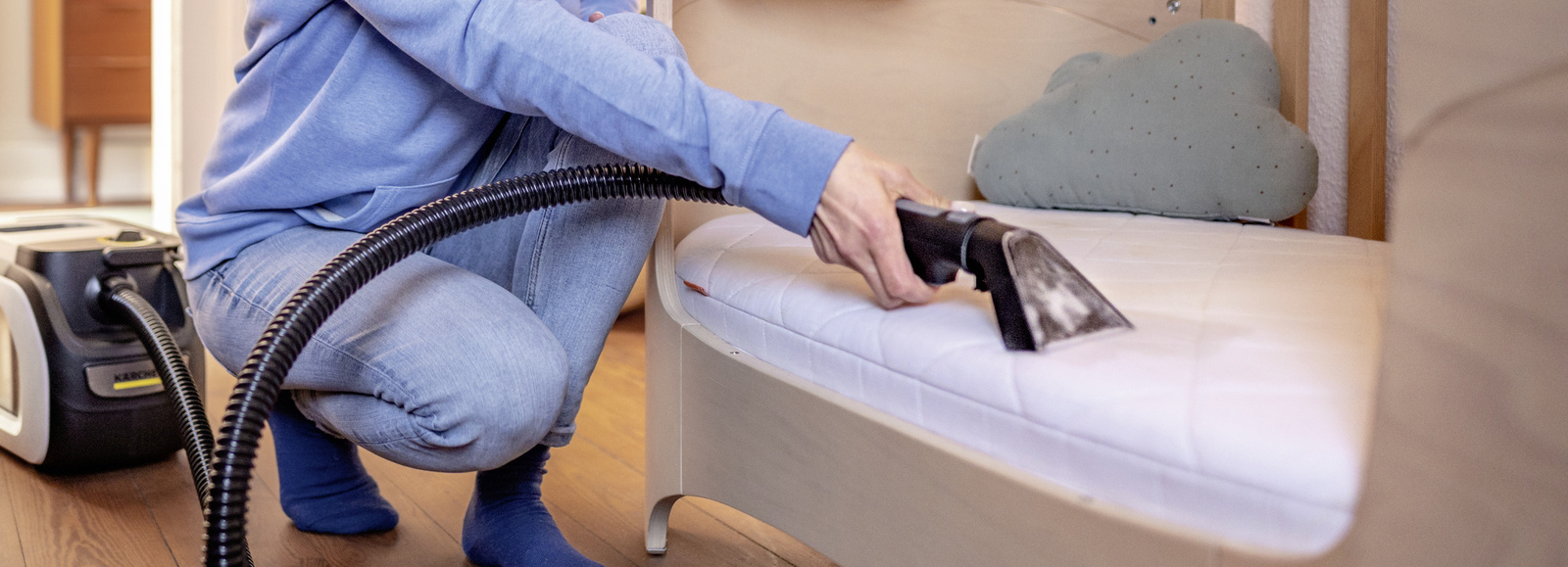
Suitable measures:
- Vacuum surfaces regularly.
- Remove fresh stains immediately with a mild cleaning agent.
- Use a steam cleaner for hygienic deep cleaning.
- Schedule annual deep cleaning.
This keeps the mattress hygienically fresh and improves the sleeping environment.
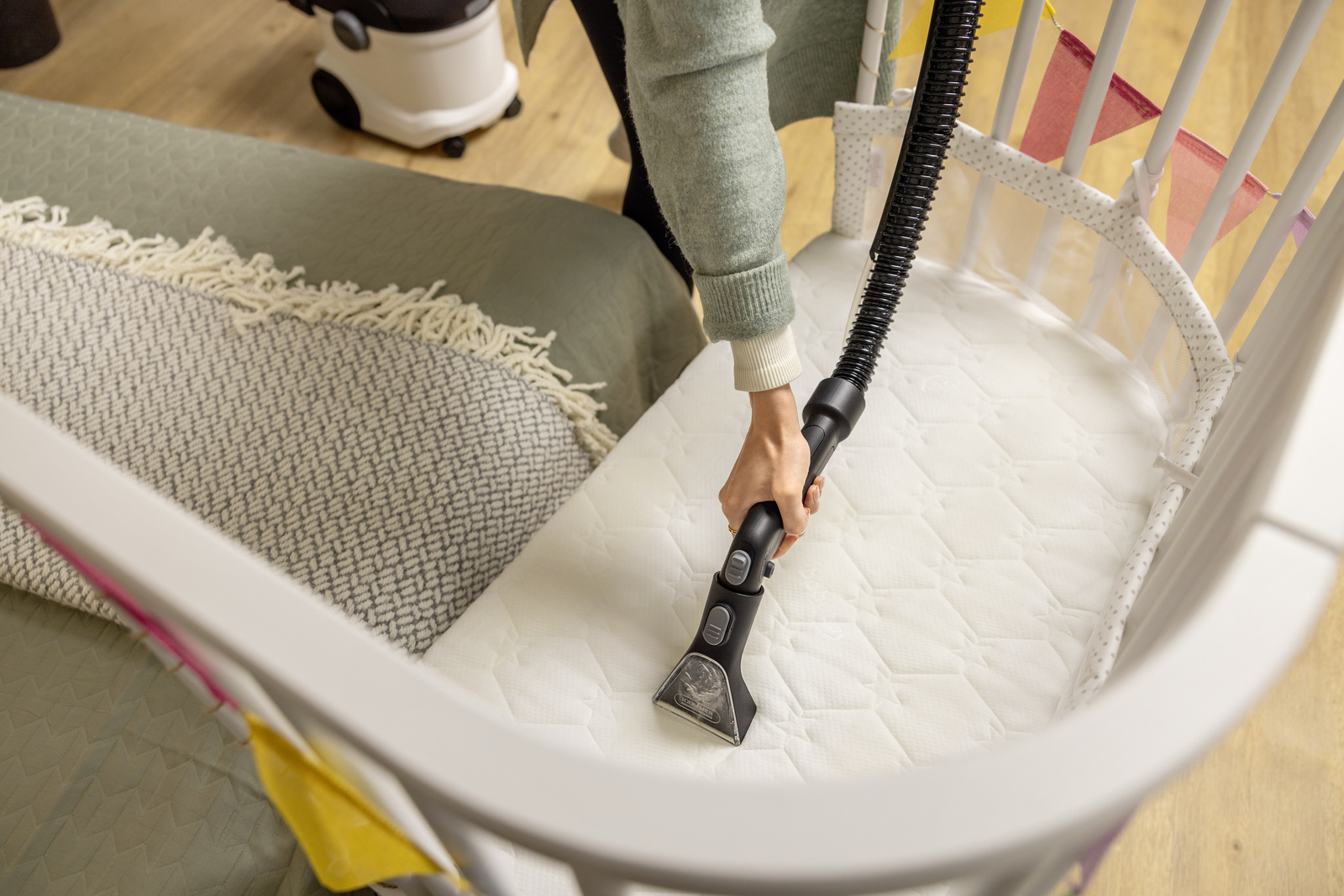
Removing urine stains and odors from mattresses
Accidents happen, especially in households with children or pets. Not only are urine stains from dogs or cats unsightly, but can also leave stubborn odours. It is important to treat them quickly, as liquids can penetrate deep into the core of the mattress.
Fresh stains should be absorbed immediately with absorbent cloths or kitchen paper. We then recommend treating the stain with a slightly damp cloth and mild detergent. For older stains, household remedies such as baking soda can be effective: sprinkle the powder on the affected area, leave it to take effect and then vacuum it up. This will bind moisture and neutralise odors.
For more thorough cleaning, spray extraction cleaners are ideal, as they suck up liquids and dissolved dirt directly. When used in combination with suitable cleaning agents, the mattress is not only freed of stains, but also hygienically refreshed. This permanently reduces unpleasant odors.
Removing pet hair from the bedroom
Pets bring a lot of joy, but whether you have a dog or a cat, they also bring animal hair into the bedroom. This hair can be difficult to remove from carpets, bedding and furniture. Dog and cat hair can be particularly challenging for people with allergies.
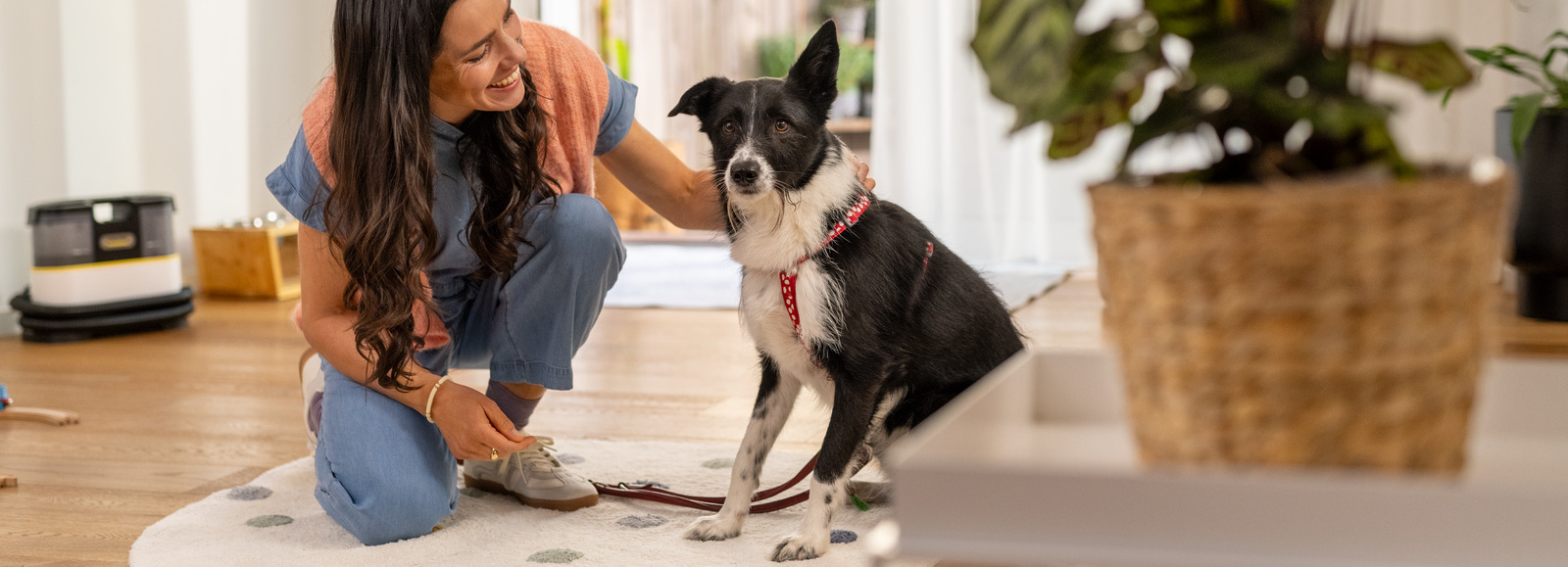
Animal hair allergy – causes and solutions
An animal hair allergy is not caused by the hair itself, but by proteins found in the animal's saliva or sebum that stick to its fur. So, how does a cat or dog hair allergy manifest itself? Typical symptoms include watery eyes, sneezing, coughing and skin rashes. Therefore, anyone with an animal hair allergy should therefore keep their sleeping area free of pets.
These measures can help:
- Vacuum regularly with a HEPA filter vacuum cleaner.
- Remove fine animal hair from carpets and upholstery with certified spray extraction cleaners.
- Use air purifiers to reduce dust and allergens.
- Place an extra blanket on the bed to prevent your beloved four-legged friends from coming into direct contact with the bedding.
- Use water filter vacuum cleaners for clean exhaust air. The dirt that is sucked in is filtered out of the air and bound in the water.
- Wash textiles more often.
- Do not allow pets into the bedroom.
Removing animal hair – how to clean effectively
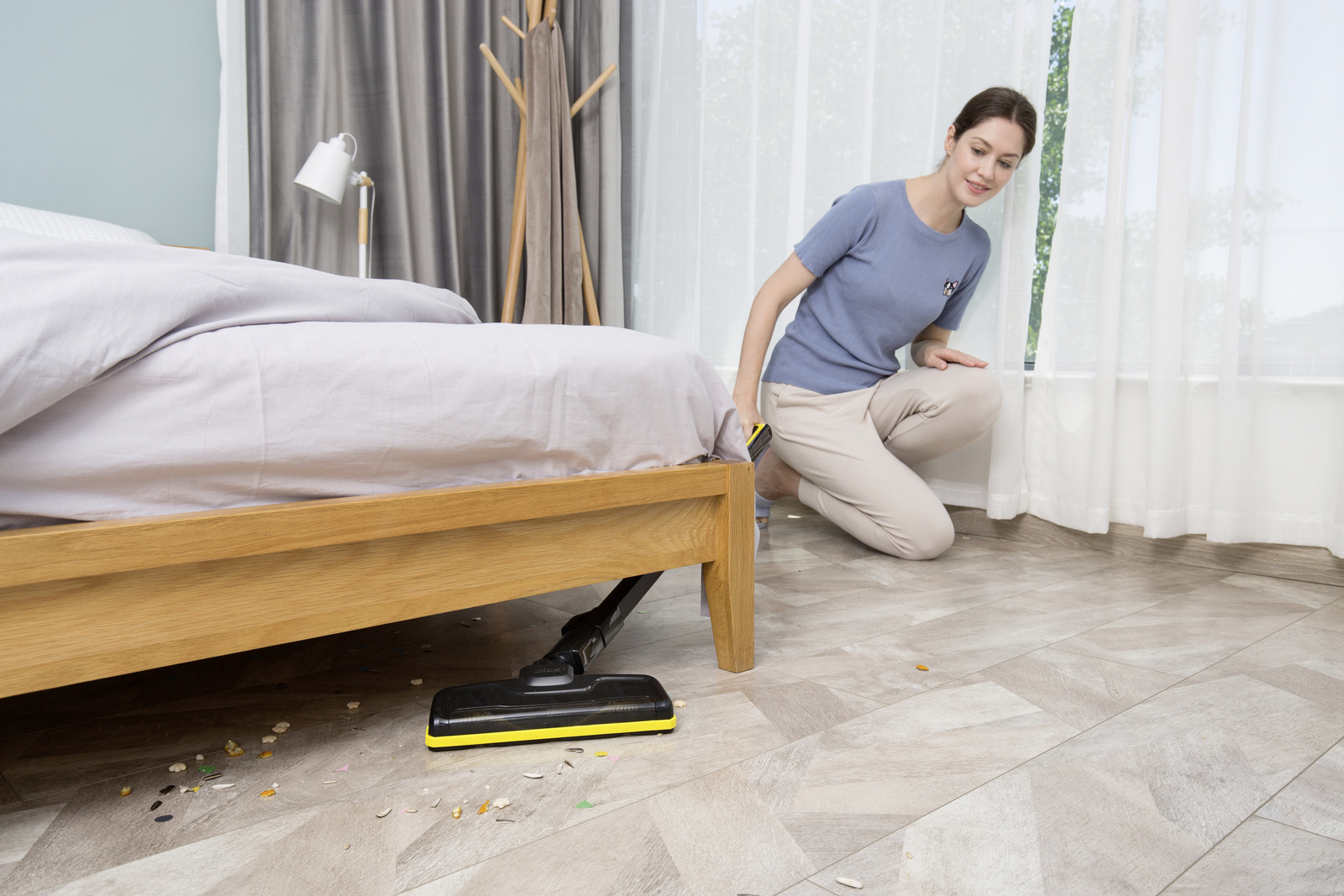
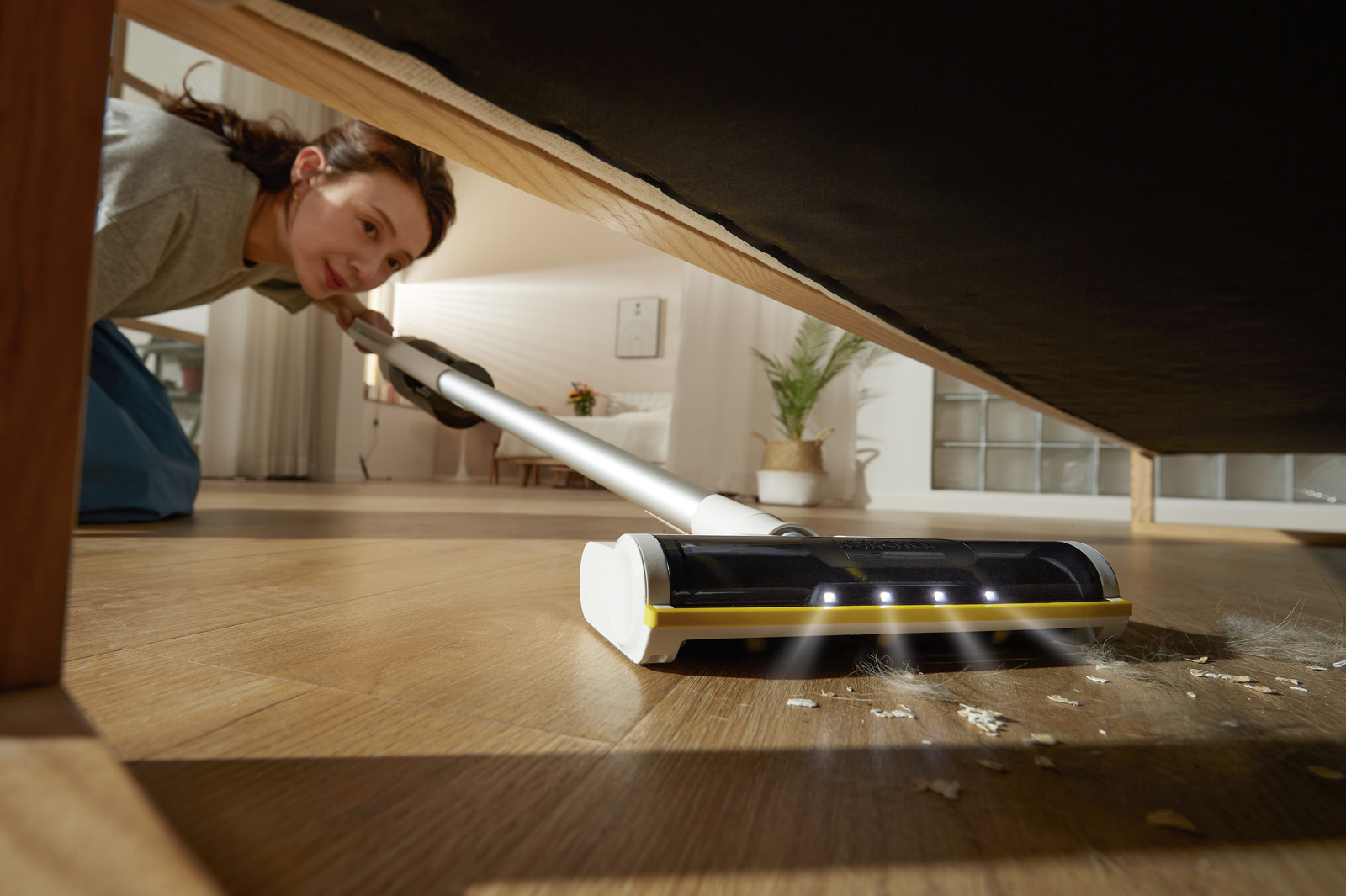
A powerful vacuum cleaner with high suction power should be used for regular vacuuming. Special pet hair nozzles improve the cleaning effect. For quick vacuuming in between when there is acute soiling, a battery-powered vacuum cleaner is recommended, which is always ready to hand.
Robot vacuum cleaners ensure continuous cleanliness. Modern devices combine vacuuming and mopping functions, automatically detect carpets, and adjust their cleaning mode accordingly. This keeps hair and dust to a minimum without much effort.
Removing dog or cat hair is also quick and easy with damp microfiber cloths or lint rollers.
Recognizing and combating bed bugs
Bed bugs are becoming increasingly common. They are usually brought in after traveling or come into the house with imported furniture. These are small insects that prefer to hide in mattresses, bed frames, and crevices. They are nocturnal and feed on blood. Typical signs of an infestation are itchy bite marks, small bloodstains on bedding, or dark fecal marks on the edges of mattresses.
Removing bed bugs requires very thorough cleaning. Bedding and textiles should be washed at a minimum temperature of 60°C, the bed area should be vacuumed regularly, and hard-to-reach areas should be treated carefully. In cases of severe infestation, professional pest control may be necessary. Taking action early on is crucial, before the pests have a chance to spread further.
An infestation is treated chemically by professional pest controllers. However, the insects are becoming increasingly resistant to the agents used, so those affected should take measures in consultation with the pest controller.
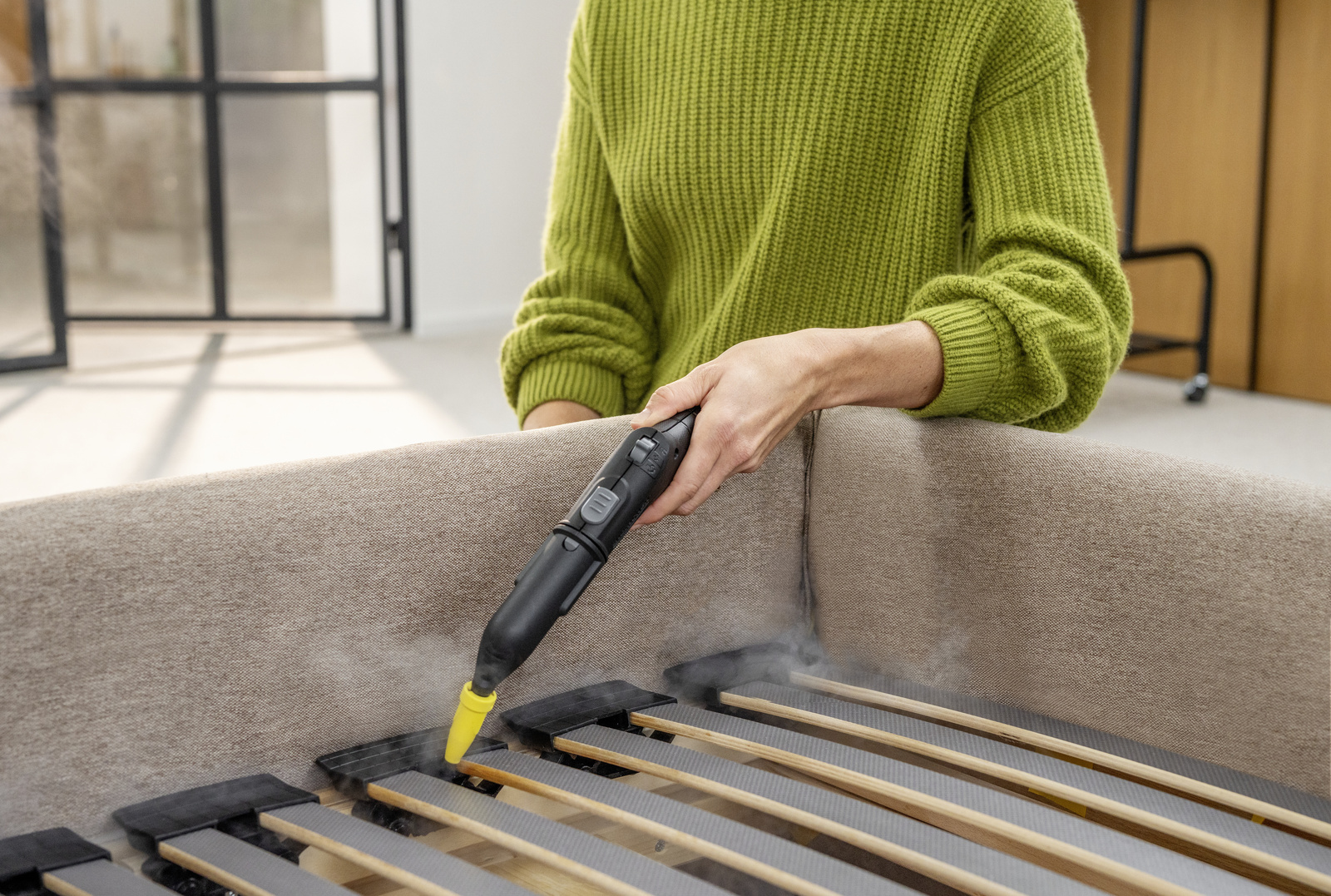
As an alternative, hot steam is an effective and chemical-free solution for bed bug infestations. The use of steam cleaners can be a helpful measure. When used correctly, they can reach bed bug eggs on furniture, walls, and floors and kill them with steam. It is important to move the nozzle slowly over the surface at a maximum distance of 5 centimeters. This gives the steam enough time to heat the surface and penetrate the layers.
Work from top to bottom: First steam curtains or blinds, then lower objects such as bed frames or baseboards. Avoid using the steam cleaner on heat-sensitive materials, thick upholstered furniture, and mattresses. Compared to insecticide sprays, steam penetrates narrow spaces better, passes through fabrics, and is non-toxic. The hot steam is also capable of killing bed bugs at all stages of life, including eggs.
Clean air in the bedroom – free from dust and allergens
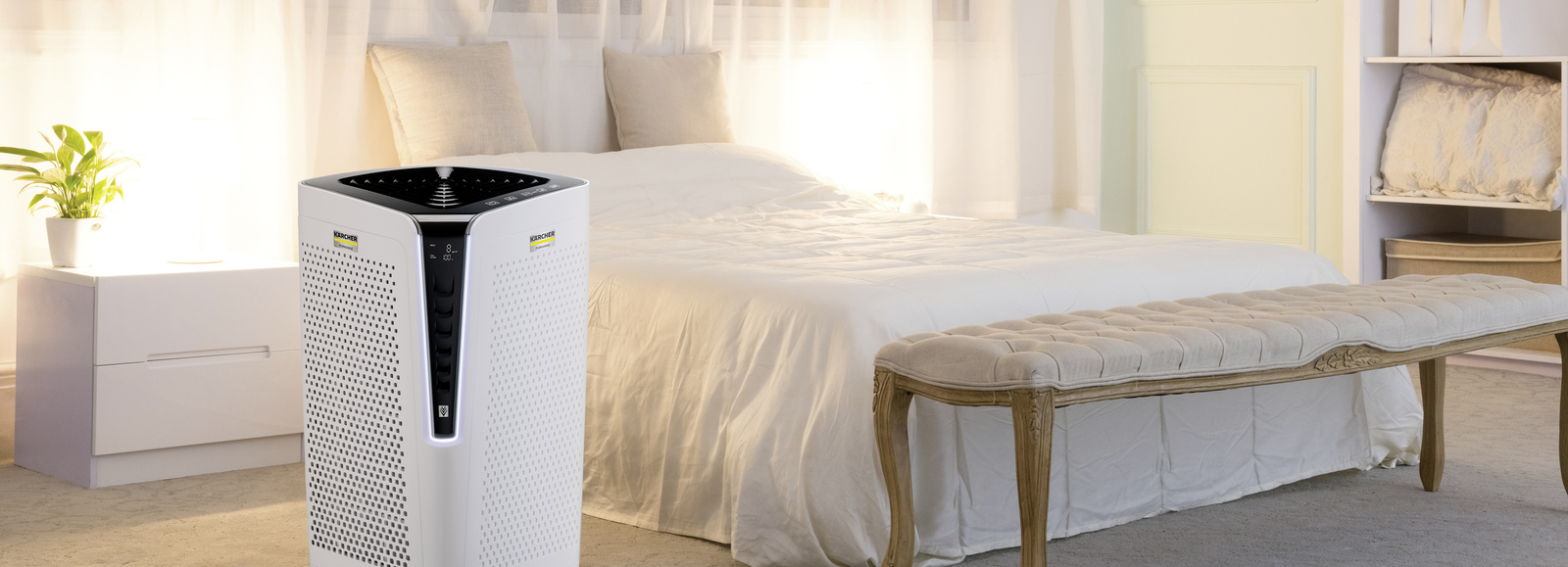
The quality of your sleep is affected not only by your bed and mattress, but also by the air in your room. Air purifiers filter the air in the room, creating a more pleasant climate.
Modern devices work with multi-stage filter systems, often consisting of pre-filters for coarse particles, activated carbon filters for odors, and HEPA filters for allergenic particles in the room air. This means that pollen, mite droppings, and animal hair are also reliably retained.
Some air purifiers also have sensors that monitor air quality and automatically adjust the device's performance. Models with a quiet night mode are ideal for bedrooms, as they provide fresh air while you sleep without disturbing you.
Regularly airing out the room also helps to keep it hygienic. The ideal room temperature is between 16 and 18 °C, with a humidity level of between 40% and 60%. Combined with a suitable air purifier, these conditions create a clean and healthy indoor climate that can significantly improve sleep quality.