
Basic Carpet Cleaning
Even with regular cleaning, intermediate methods don't always achieve the desired results. That's when you need to take extra measures to keep your carpet clean and pristine as long as possible. There are three main methods to keep your carpets clean: spray extraction, wet carpet shampooing, or the combination method, which combines spray extraction with the microfiber/yarn method.
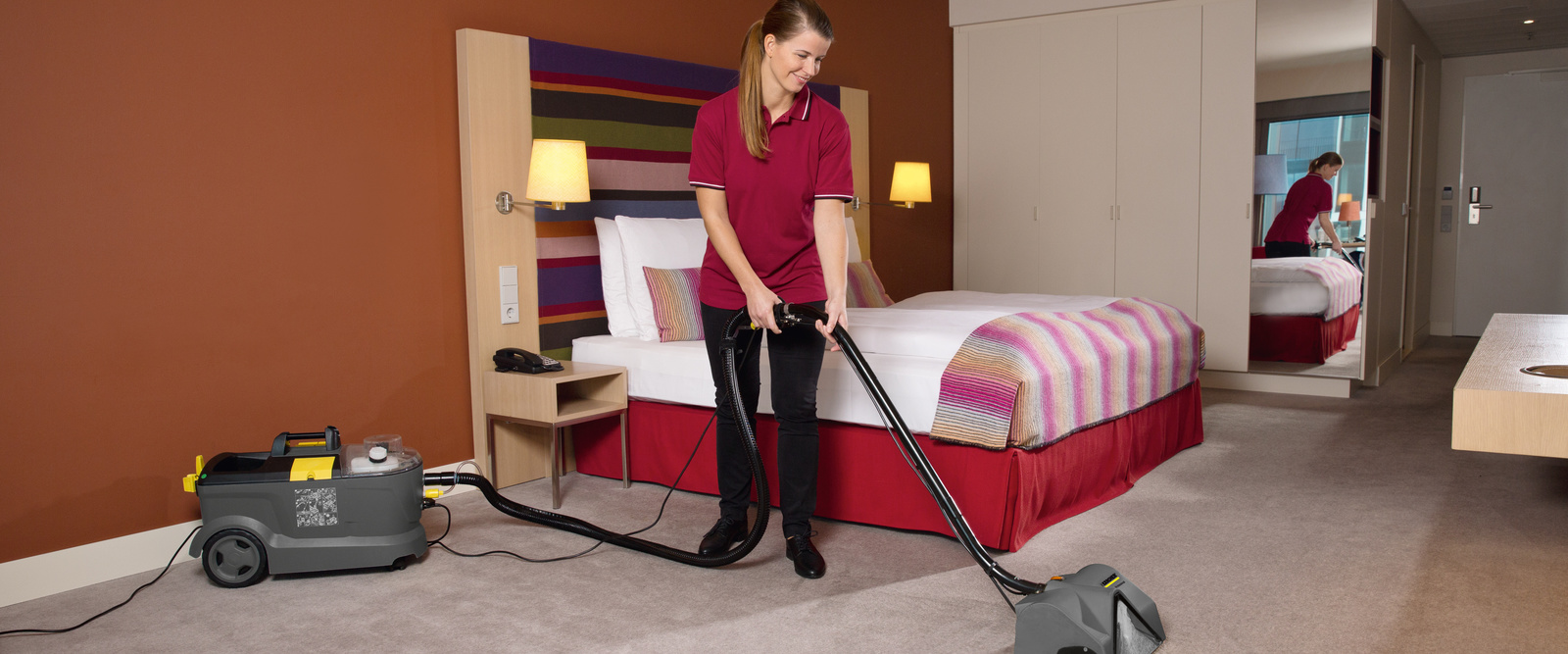
Preparation for Basic Carpet Cleaning
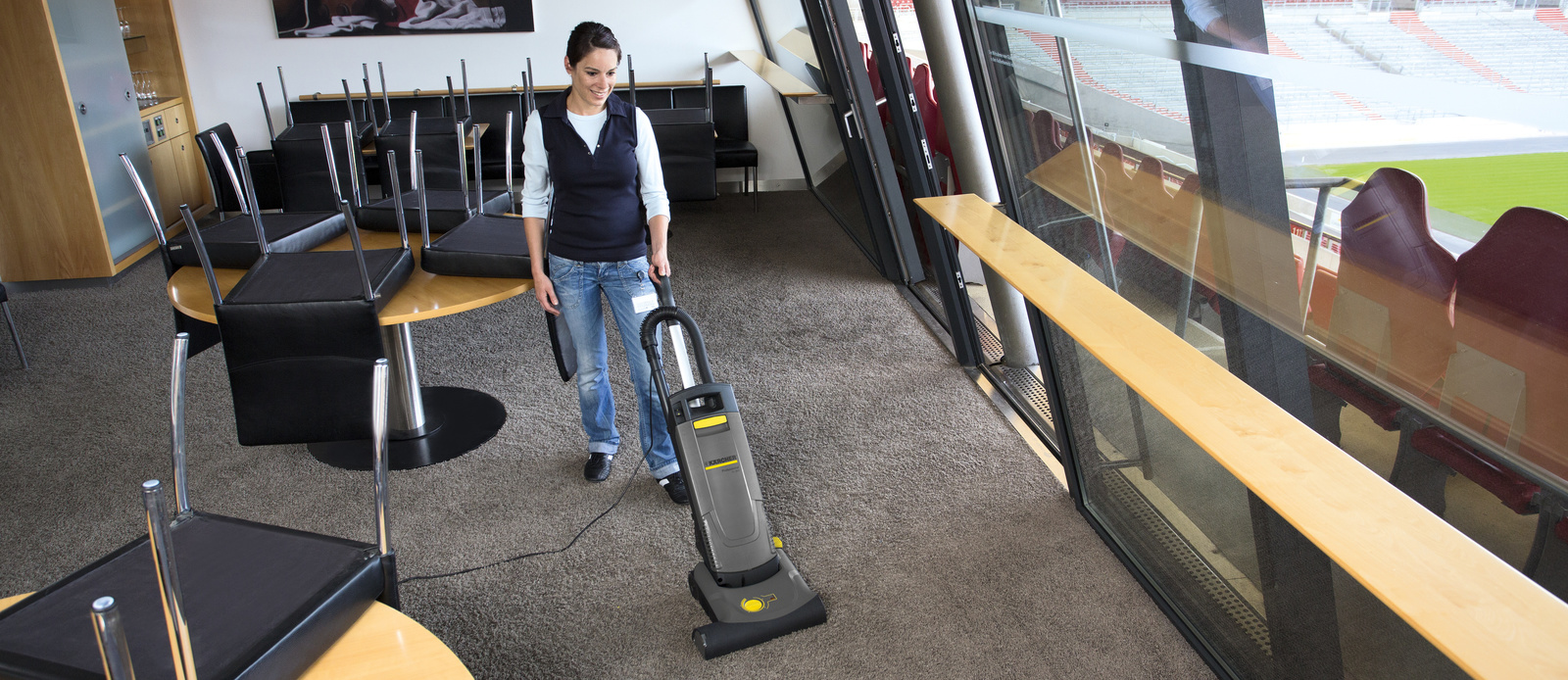
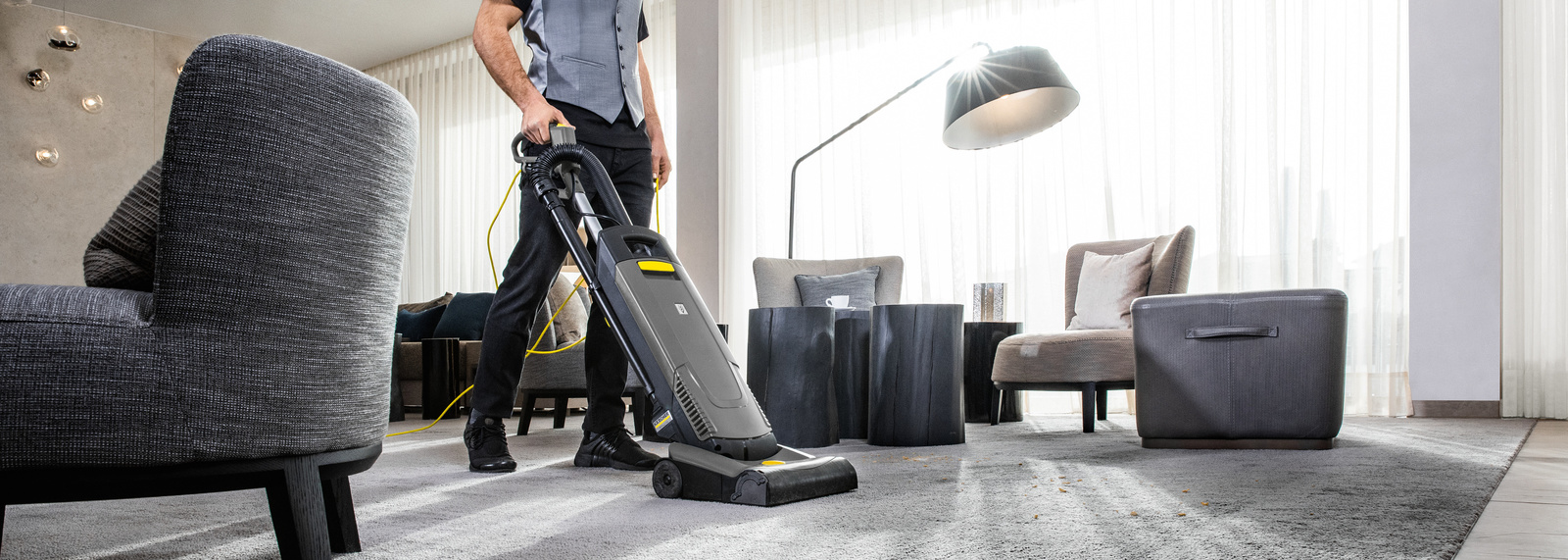
Check the cleanability of the carpet before work starts. Take notice of the padding, adhesive/fixing, carpet backing, backing material, and seams. If the carpet is cleanable, you need to take some preparatory measures first. The underfloor heating should be turned off in good time so that the applied cleaning agent does not dry out due to the heat. Moveable furniture should be removed; sketches or photos can be made to put things back later. Components that cannot be removed should be protected with plastic sheeting to avoid damage. Once the room is prepared, remove loose dirt with a vacuum cleaner or a carpet brush vacuum.
Carpet Cleaning
Carpet feels warm, dampens noise, and creates a feel-good atmosphere. Depending on the material and quality, textile floor coverings can be quite sensitive to moisture. Removing stains, which is not a problem with other coverings, involves more effort. This can quickly lead to an unkempt appearance. Carpet cleaning requires a certain amount of expertise because it is important to know the structure of the textile covering as well as the cleaning characteristics of the individual components. Here is what to consider when cleaning carpets and how to quickly remove stains during maintenance cleaning.
Basic Carpet Cleaning: Spray Extraction for Textile Coverings
The spray extraction process can be applied in a 1-step or 2-step method. The dirt needs to be brought to the surface and removed.
How It Works
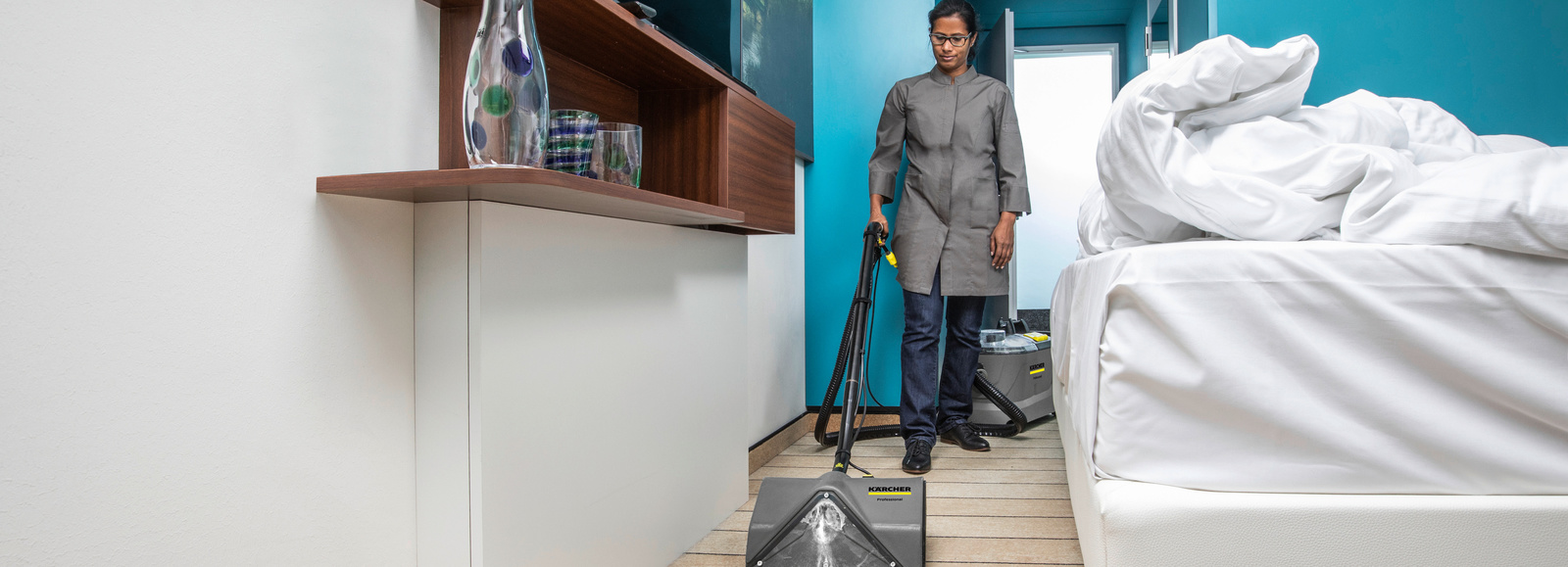
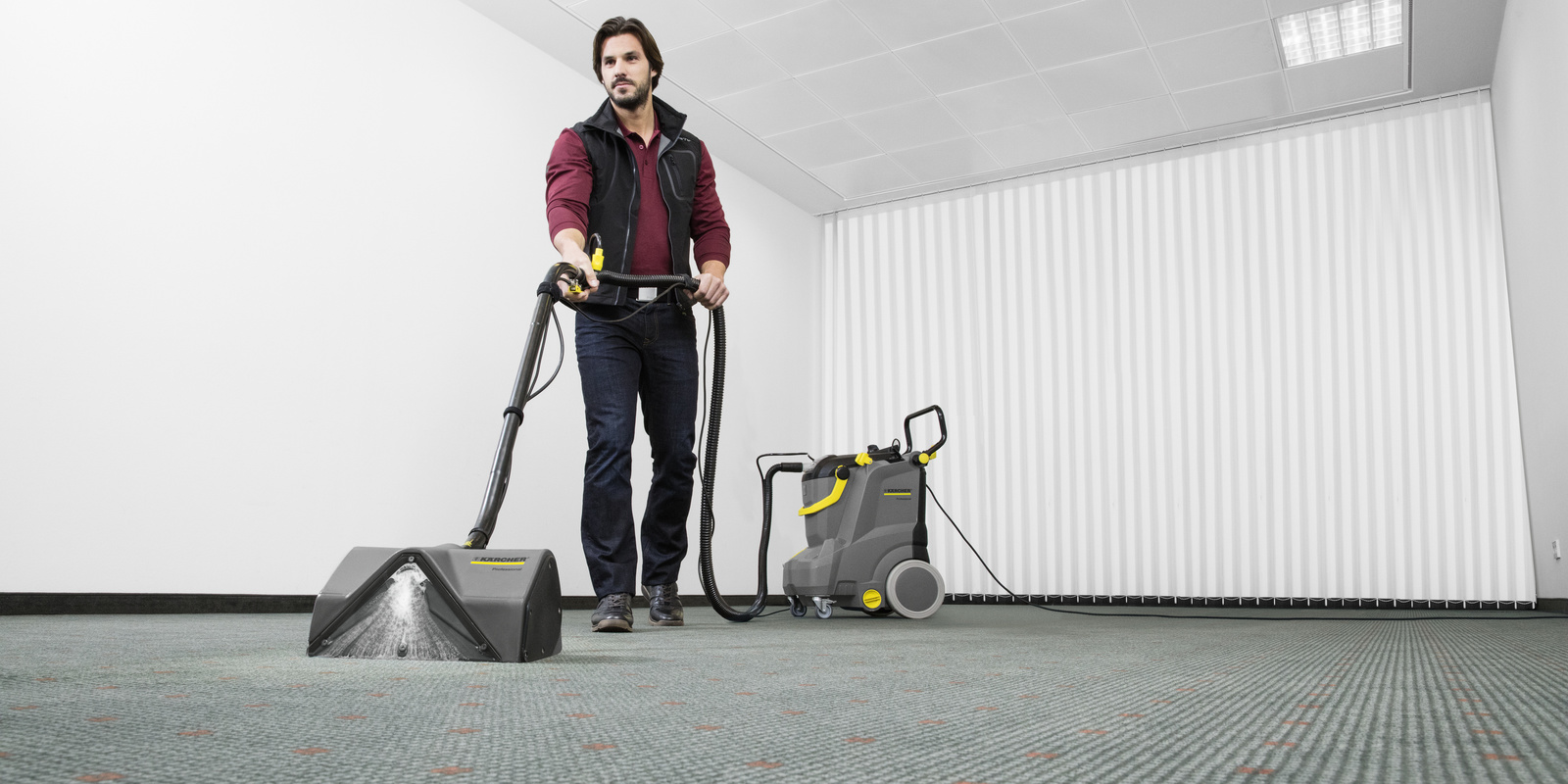
The spray extraction cleaner pressurizes the cleaning solution into the carpet so that the dirt can be loosened and then sucked up again as a dirty solution. In the first step, you apply the cleaning solution with the nozzle and immediately remove it again, leaving the surface relatively dry. In the second step, you can turn off the suction from the extractor, allowing the cleaning solution to act after its application and then vacuumed up with the soiled solution afterward.
Depending on the level of soiling, several rinsing cycles are necessary until the desired result is achieved. The rinsing effect improves as the water flow rate increases.
Tip – Cleaning Large Surfaces
If large areas are involved, you can also apply the cleaning solution with a carpet cleaner in the second step.
Tip – Cleaning the Surface
If you are using the extractor with a cleaning agent, rinse the surface once or twice afterward with clean water. Work in overlapping layers. To reduce the drying time, you can vacuum the surface dry on the last run or place a fan in the room afterward to remove excess moisture.
Tip – Reducing Post-Wash Care
Using a surfactant-free cleaner instead of a carpet shampoo reduces the rinsing effort, and there is no resoiling due to surfactant residues in the carpet.
Combination Method for Basic Carpet Cleaning: Concentrated Power for Carpeted Floors
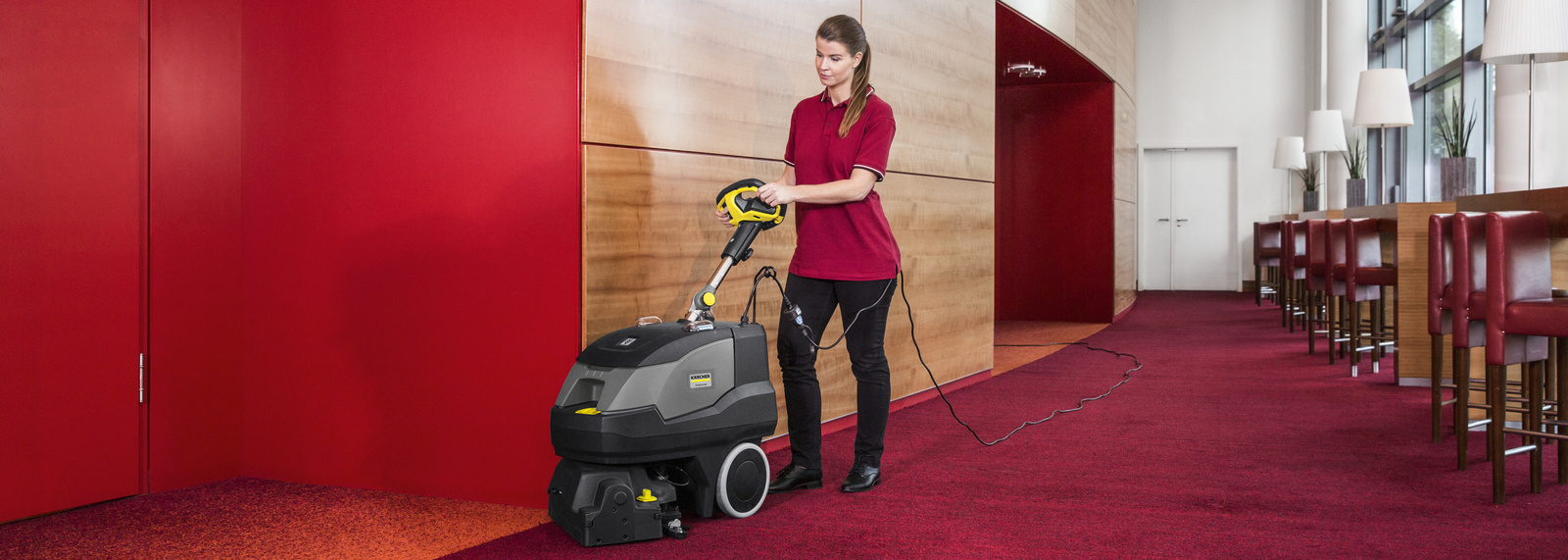
If the carpet is heavily soiled, you can improve the effect of the spray extraction by using additional tools. In these cases, you should also use the microfiber/yarn pad method or the carpet shampooing brush.
Pros and Cons
Shampooing the carpet is only possible with detergents containing surfactants and introduces a lot of surfactants into the floor, with residues often increasing resoiling. This makes the microfiber/yarn pad method in combination with surfactant-free cleaning agents a better method. As with spray extraction, there is a risk of soaking, which is why it is best used on floors and surfaces that are not sensitive to moisture.
Intermediate Carpet Cleaning
Carpets are beautiful, pleasant, and noise-absorbing. However, even with regular cleaning, over time traffic patterns or marks of stubborn dirt form that can no longer be removed by vacuuming and stain removal. You should carry out regular intermediate cleaning to extend the time between deep cleaning. The techniques, from iCapsol to microfiber or yarn pads, are also suitable for moisture-sensitive coverings and padding or areas that need to be quickly accessible again, such as hotel lobbies or corridors.
How It Works
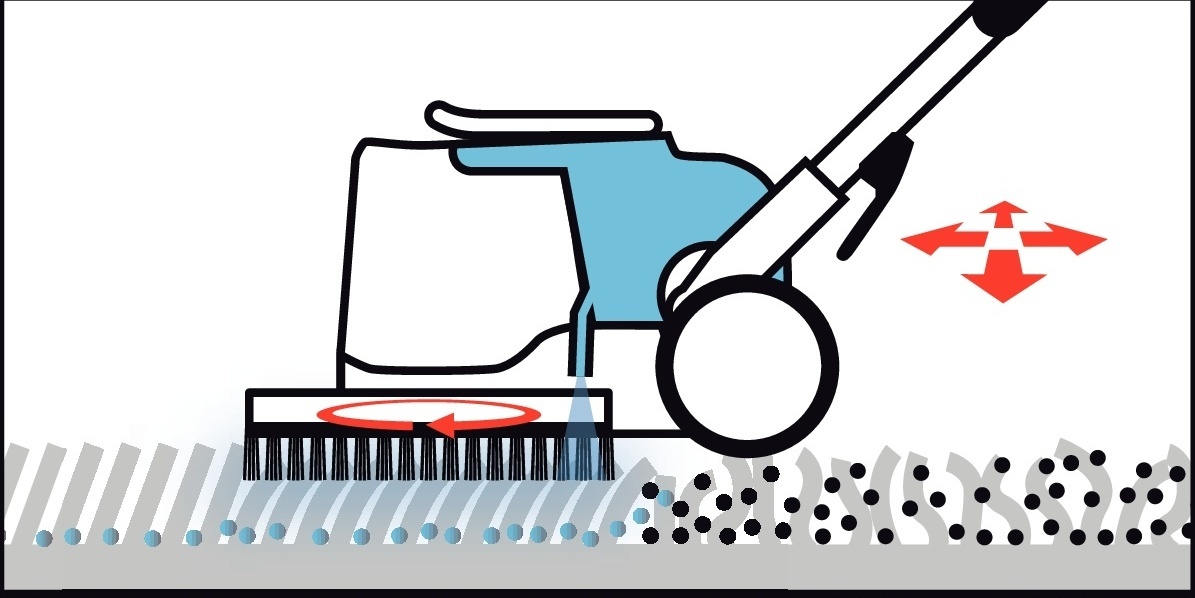
If the single-disc machine is equipped with a shampooing brush or microfiber/yarn pad, the first step is to wet the floor covering in two lanes with a water supply or to use a carpet cleaner. Then, with the water supply closed, work the cleaning solution into the floor. Edges and corners must be worked manually.
In the second stage, rinse the covering with clear water or a suitable carpet shampoo using the extractor in slightly overlapping paths. You can treat hard-to-reach areas with a hand nozzle.
Carpet Drying: Drying Time and a Carpet Rake
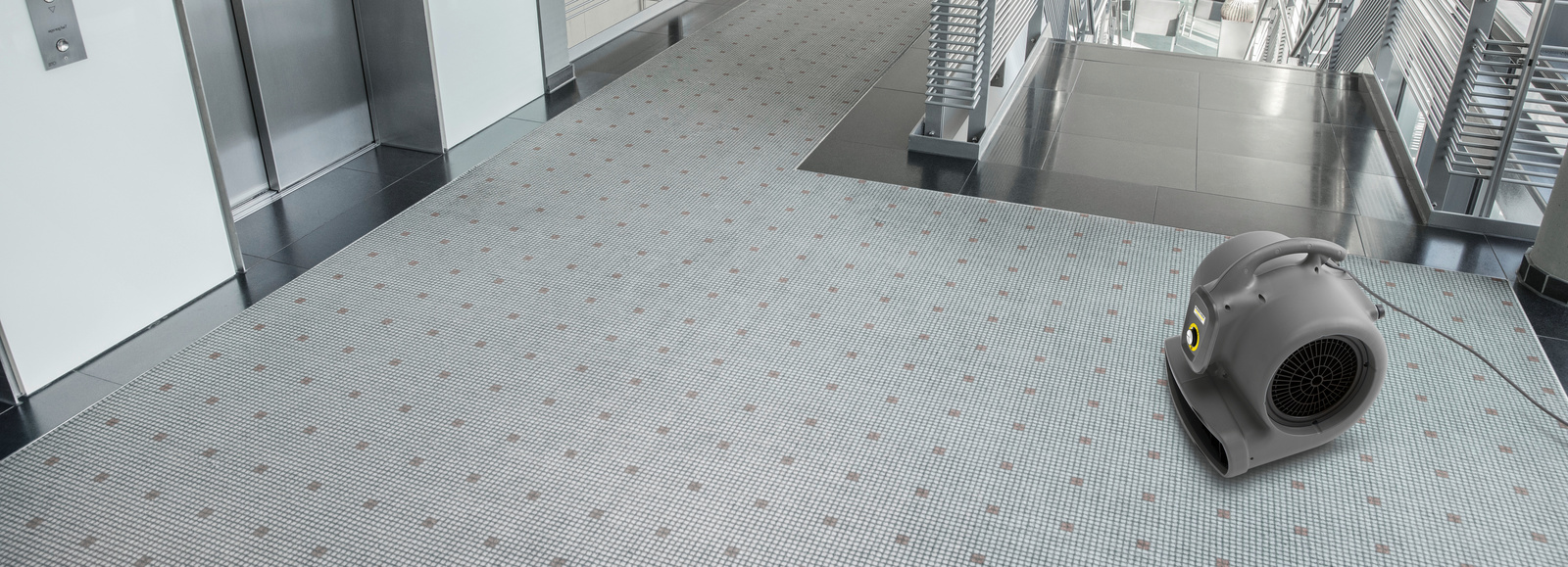
Regardless of whether you work only with spray extraction or with the combination method, the carpet must be allowed to dry after cleaning. During the drying period, ensure good ventilation or even accelerate the drying process with an air blower. Furniture should only be put back when no moisture remains in the floor. This avoids corrosion or discoloration due to residual moisture.
Tip – Use a Carpet Rake
You can straighten the pile with a carpet rake after cleaning velour-type coverings. You can also use a clean scrubbing brush.
Waterproofing Carpets
Many textile coverings are waterproofed at the factory—a protection that is lost over time due to the mechanics of foot traffic as well as being limited by cleaning agent residues. If water is dripped onto the textile covering, the drops should remain on the surface for a short time; this indicates that the waterproofing is intact. If the drop sinks in immediately, the carpet is no longer waterproofed or needs to be renewed.
How Carpet Waterproofing Works
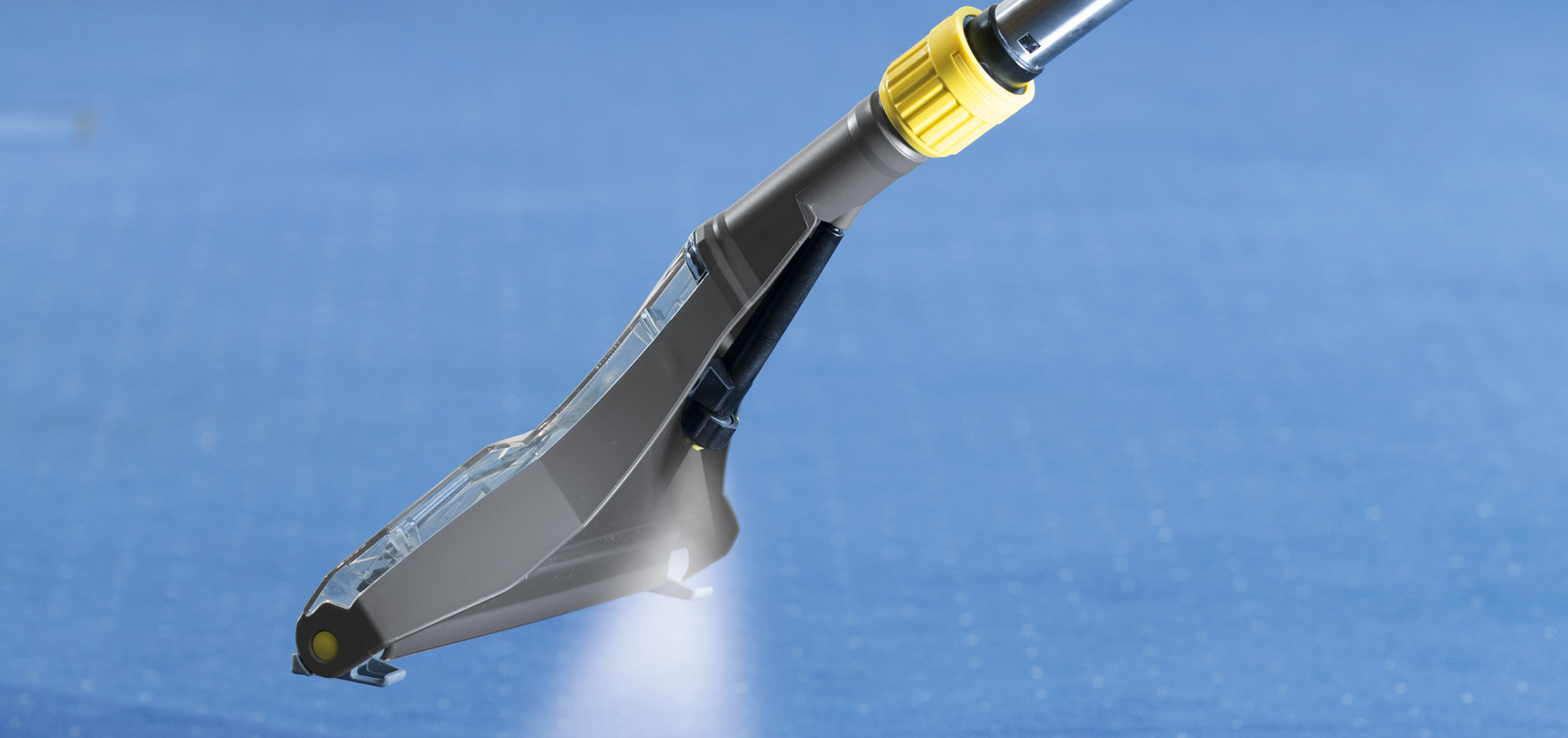
Dose the waterproofing solution according to the manufacturer's instructions and put it into a carpet cleaner or a spray-extraction machine. Then wet the carpet at a distance of approximately 12 inches (30 cm); this is also possible on a wet surface.
To achieve a deep penetrating effect, you can work the solution into the surface with a soft brush when damp. For larger areas, we recommend you use a counter-rotating roller pad.
Tip – Pay Attention to Drying Time
Don’t step on the carpet until it is fully dry.
Tip – Waterproofing
If the carpet is laid in areas where dirt is difficult to remove, we recommend waterproofing.