Cleaning Sports Facilities
Cleaning sports facilities is no walk in the park, especially as many sports clubs and operators have expanded their offerings to include numerous additional sports. The popularity of gyms, climbing walls, bike parks, or skate parks is matched by the difficulty operators face when it comes to keeping them clean and hygienic. But with a suitable cleaning concept, efficient cleaning technology, and flexible cordless solutions in place, local authorities and service providers can fulfill these complex requirements efficiently and economically.
Exterior and Entrance Areas
Keeping green spaces, parking lots, and sidewalks clean significantly reduces the amount of dirt that comes into buildings. Targeted precautions in entrance areas will further minimize the amount of cleaning required inside the building.
Kick Things Off in Outside Areas: Technology for Every Requirement
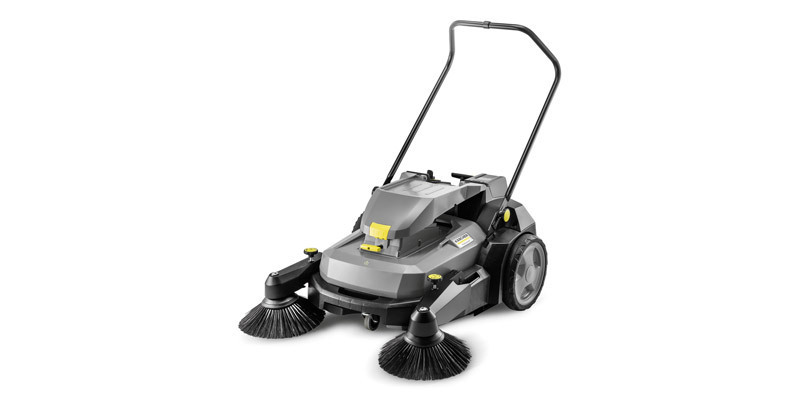
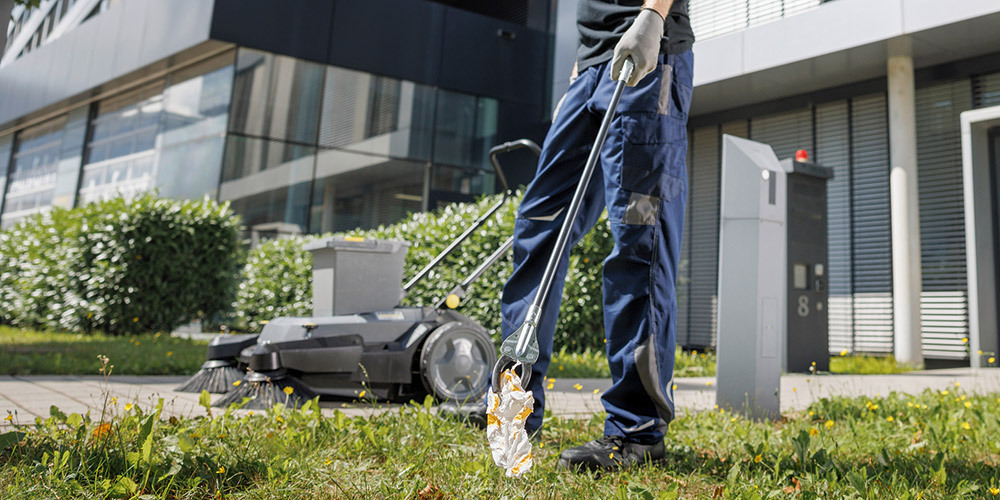
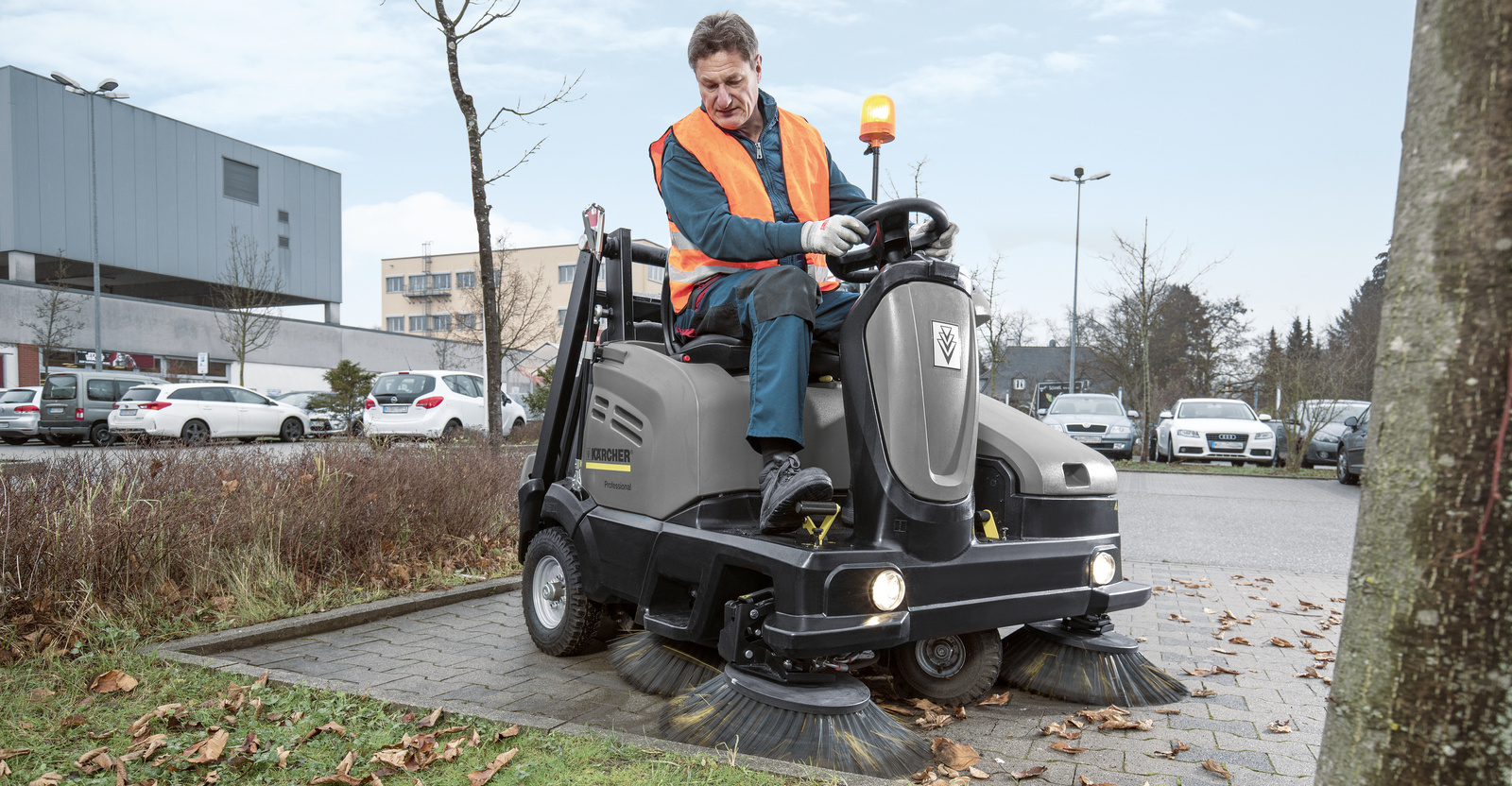
To make an inviting impression on athletes and visitors alike, maintaining the cleanliness of outdoor areas is critical. But that's not the only reason: well-maintained outdoor facilities are also important for reducing the amount of dirt entering the indoor area, especially if there are bike tracks or skate parks on the site. A variety of technical equipment can help organize this work efficiently. Vacuum sweepers can clean parking lots, access roads, and sidewalks quickly and reliably. Loose dirt on paths, parking lots, and entrances can be removed with walk-behind floor sweepers in smaller areas, or with ride-on models over larger areas. A trash grabber can be used to remove garbage from outdoor areas in an ergonomic manner that's easy on the back.
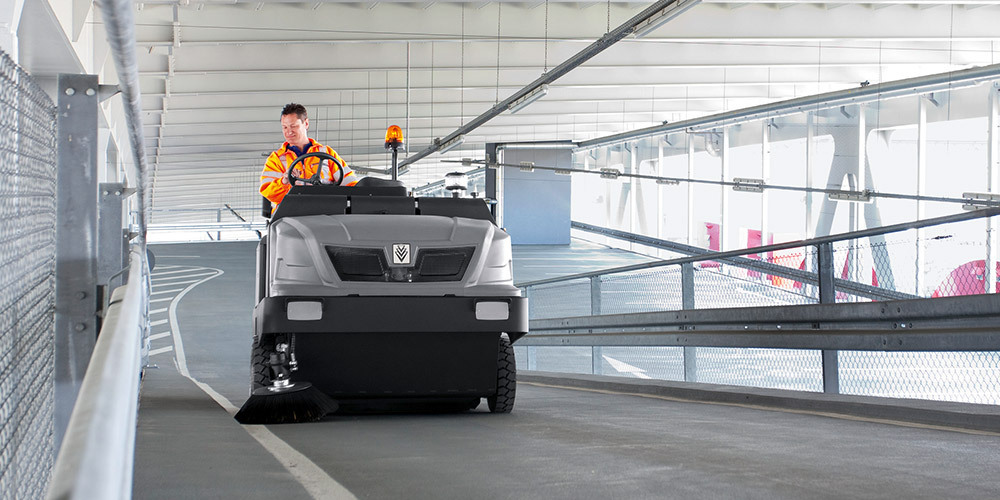
Larger sports facilities, stadiums, and sports centers in urban areas often have parking garages to cover parking requirements during events and at peak times. Floor scrubbers are well suited for cleaning floors in parking garages. They can quickly and efficiently remove stubborn dirt, rainwater, and salt.
Tip 1 – Fatigue-Free Working:
Handheld machines with a carrying strap prevent workers from getting fatigued. Models with spring-loaded blowers are low-vibration and therefore particularly user-friendly.
Tip 2 – Vacuum Sweepers for Parking Lots:
Vacuum sweepers are very suitable for parking lots, because they directly suck up any particles that are whipped up into the air, preventing dust from settling on parked cars.
Entrance Area: Show Dirt and Dust the Red Card
The ingress of dirt into the interior can be further reduced by means of dirt-trapping measures in the entrance area. Dust control mats offer a reliable solution for this. Depending on the degree of dirt, battery-powered backpack vacuums or upright vacuum cleaners can be used to remove loose dirt efficiently and in a user-friendly manner. This should be done several times a day if there is a lot of foot traffic.
Cleaning Parking Lots and Outside Areas
Whether dining in a restaurant, shopping in a supermarket, furniture store, or shopping mall, or visiting a doctor's office or a museum—often the first thing guests do upon arrival is to park their car and make a short walk to the building. There are a number of cleaning methods that can be used to make a positive impression right from the start, to prevent the risk of accidents, and to stop dirt from being brought in from outside.
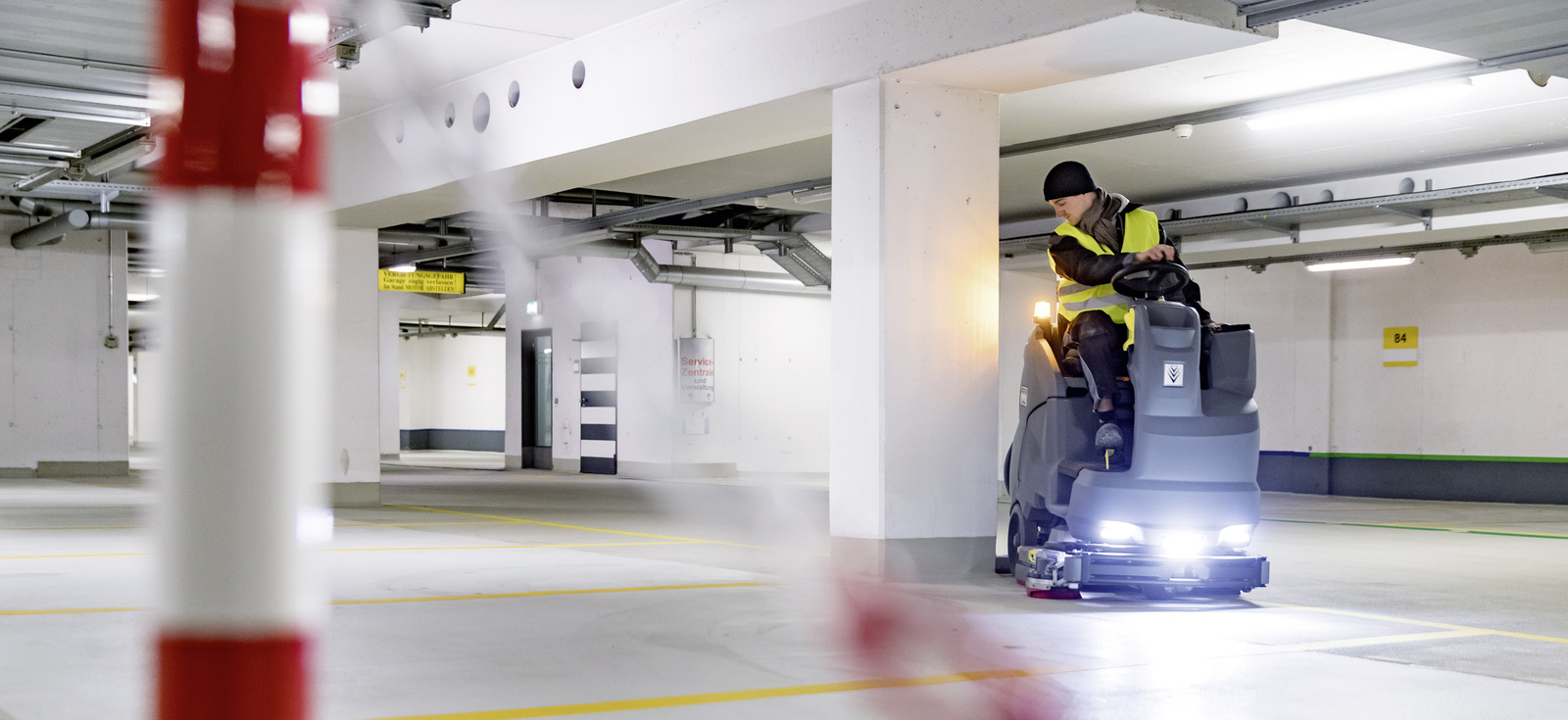
Cleaning Parking Garages
Whether hotel parking garages, underground parking lots at airports and shopping centers, or public parking facilities, guests, passengers, and customers get a first impression the moment they park their vehicle. Cleanliness plays an important role here, because a well-maintained space is not only visually appealing, but also gives people a sense of reassurance. A structured approach to cleaning is therefore very important, with efficient cleaning technology taking the strain off staff and ensuring good results.
Grandstands, Playing Fields, Running Tracks
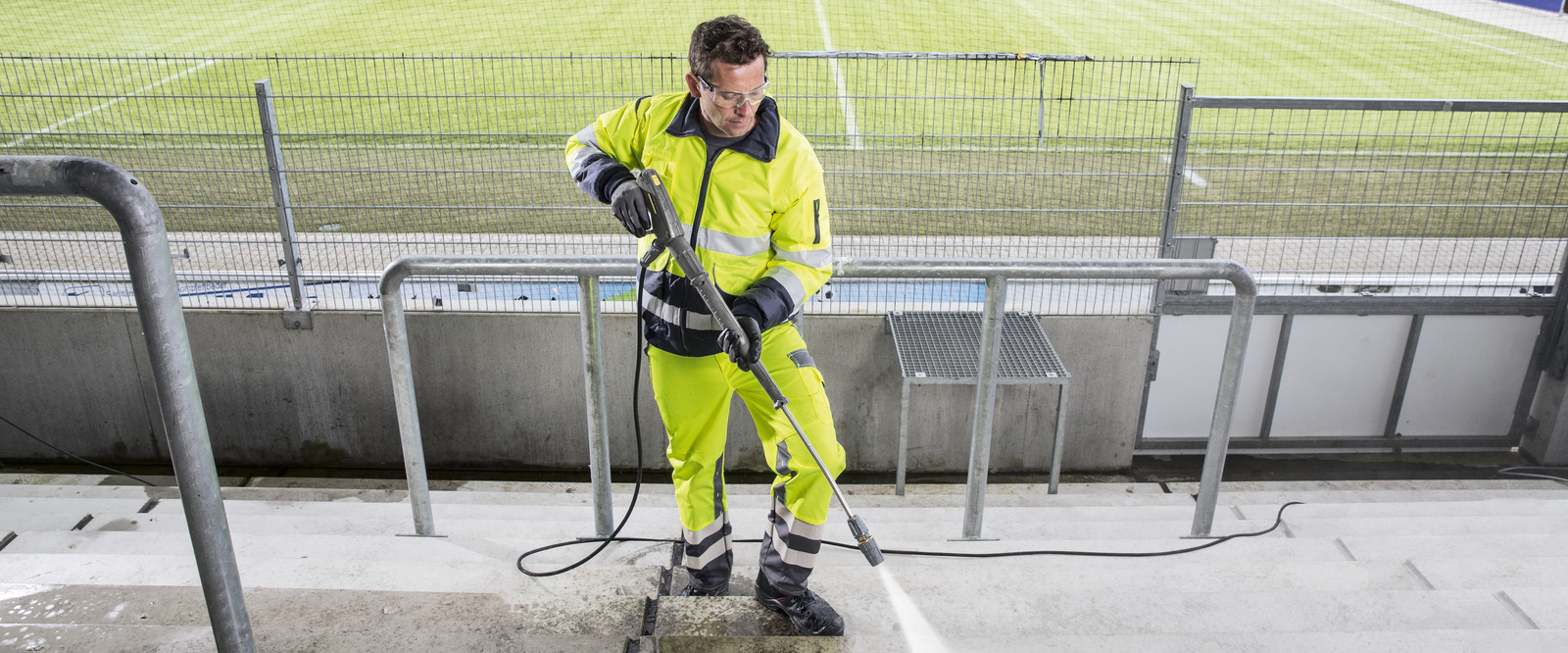
Grandstands frequently become heavily soiled—but with the right technology, cleaning forces can have the home advantage. Surface cleaners are ideal for all-weather running tracks, while sickle, front, and center mowers are well suited for the maintenance of natural turf. Even artificial turf fields require regular maintenance to ensure that they retain their functionality for as long as possible.
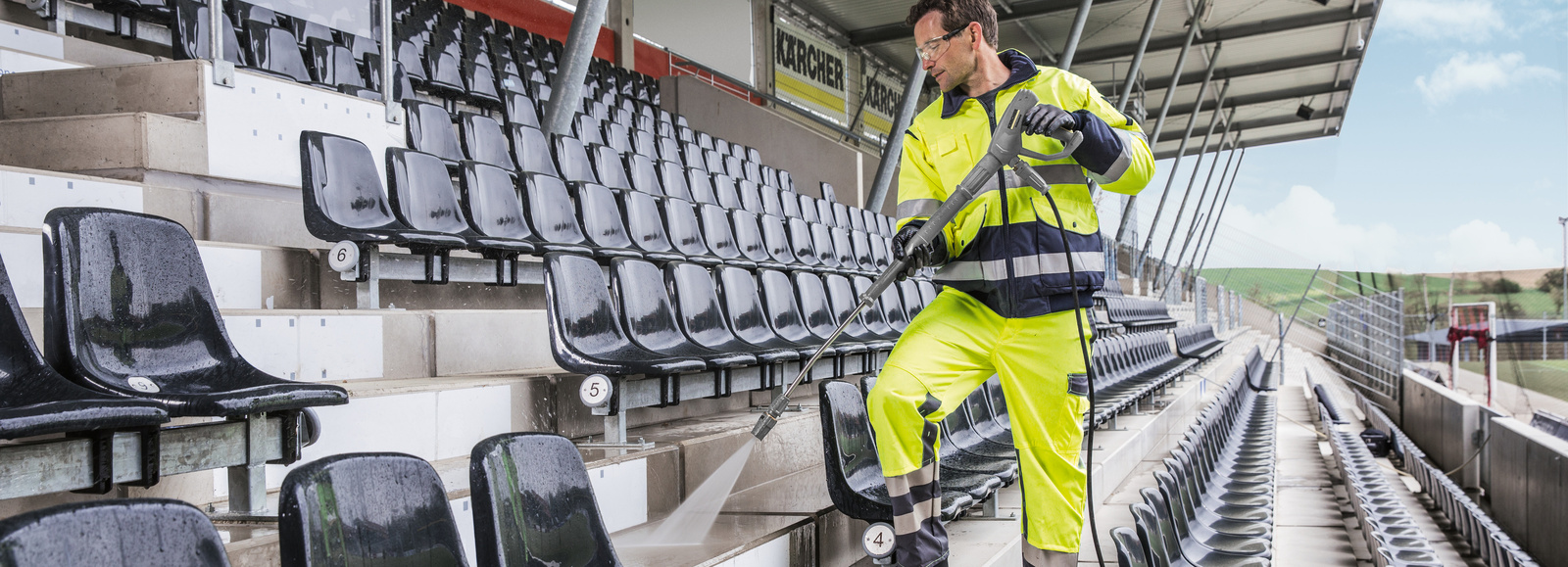
The Beautiful Game: Cleaning the Stands
The centerpiece of club life isn't just its soccer field, but the fans in the stands as well. Regardless of whether a game ends in jubilation or disappointment, one thing is certain: there is always a lot of cleaning work to be done afterward. To remove food debris, napkins, or drink cups from the stands as quickly as possible, a leaf blower can be helpful. With a leaf blower, bits of garbage can be easily moved down through the aisles and then picked up with a sweeper or grabber.
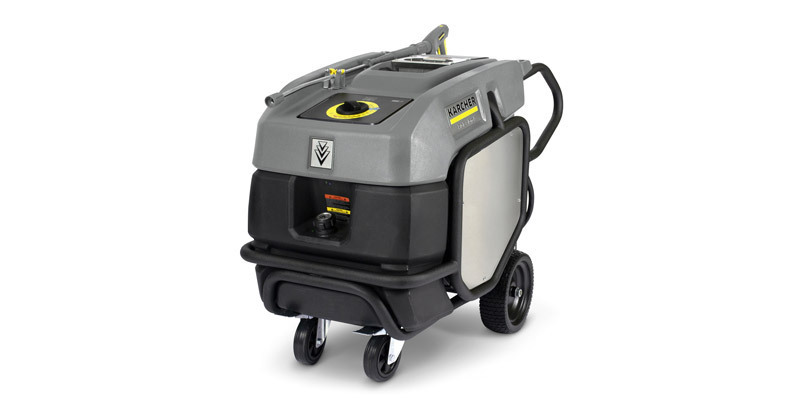
The best way to tackle stubborn, coarse dirt such as trodden-in food spills or soft drink stains is with pressure washers that use hot or cold water. Chewing gum stuck under seats or on railings doesn't stand a chance against a hot water pressure washer.
Tip – Remove Stickers with Dry Ice:
Stickers can be easily removed from stadium seats and other surfaces with dry ice blasters. For maximum flexibility in shorter applications, a model that produces its own dry ice is ideal.
Natural Turf on the Field: Sickle, Front, or Center Mower
Sickle mowers are ideal for turf maintenance thanks to their high area performance and adjustable cutting height. Front mowers are popular for their agility and good visibility of the implement. Their mowing decks are also easy to access and quick to assemble. Center mowers gain plenty of fans thanks to their consistent driving characteristics even with the deck mounted. The compact system ensures cutting tracks are straight. The clippings can be conveniently transported overhead into a container using a lawn sweeper that picks them up via a roller.
Artificial Turf on the Field: Safety and Value Preservation
Artificial turf fields can be played on all year round and require much less maintenance than natural turf. Nevertheless, some regular maintenance is necessary to preserve their shock-absorbing properties and durability. It is also important to differentiate between infilled and unfilled systems. Infilled artificial turf fields use rubber granules for stability and shock absorption, which require expensive specialized machinery for cleaning. Unfilled systems that rely on smaller supporting bristles are more environmentally friendly and require less maintenance. Cleaning is carried out using artificial turf kits for standard sweepers, which efficiently keep the lawn and surrounding hard surfaces clean.
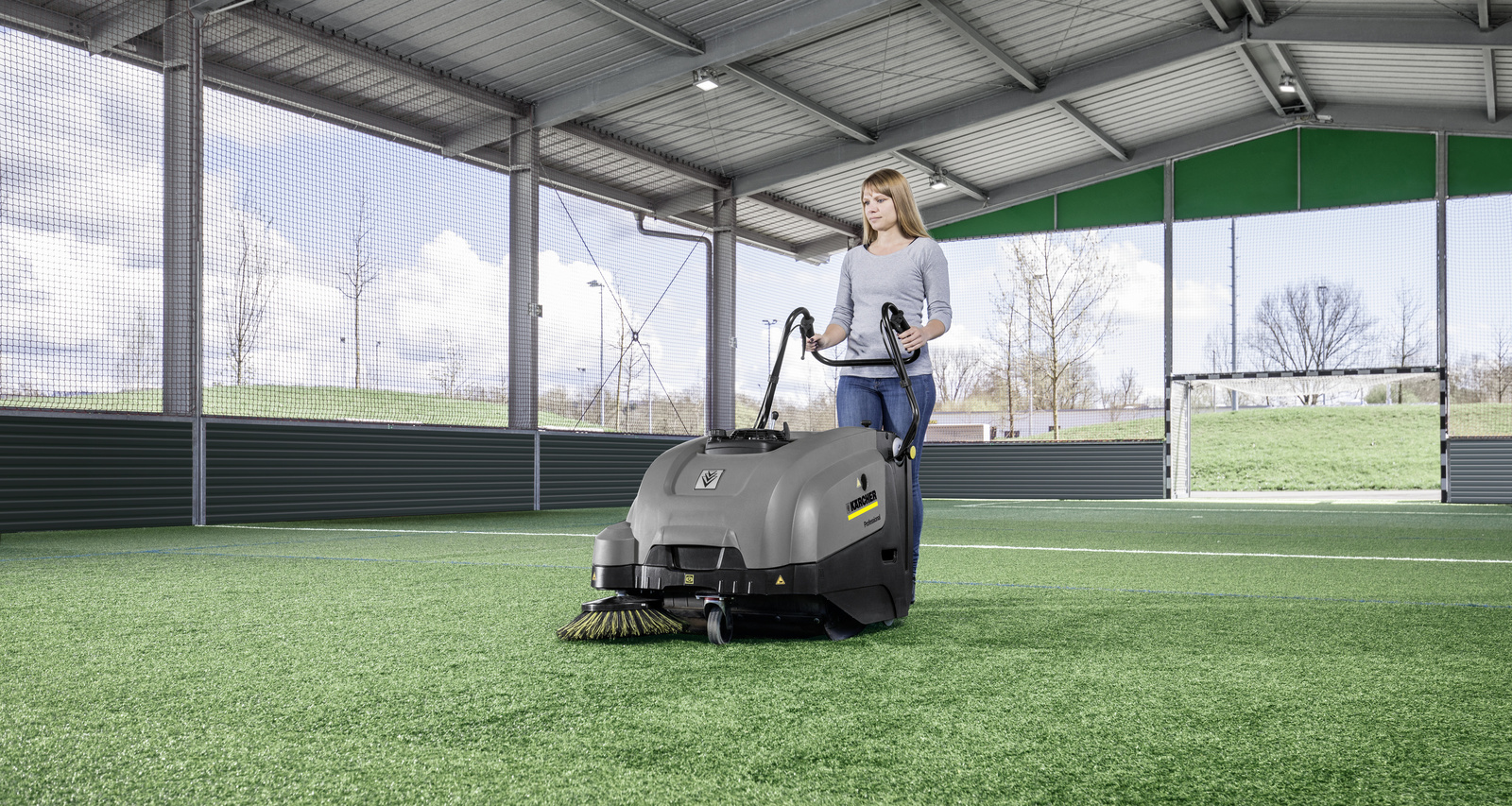
Tip – Keep the Entire Surroundings Clean to Reduce Dirt:
By cleaning the sports facility in its entirety, including the sidewalks and parking lots, the amount of dirt that gets onto the artificial turf surfaces will be minimized.

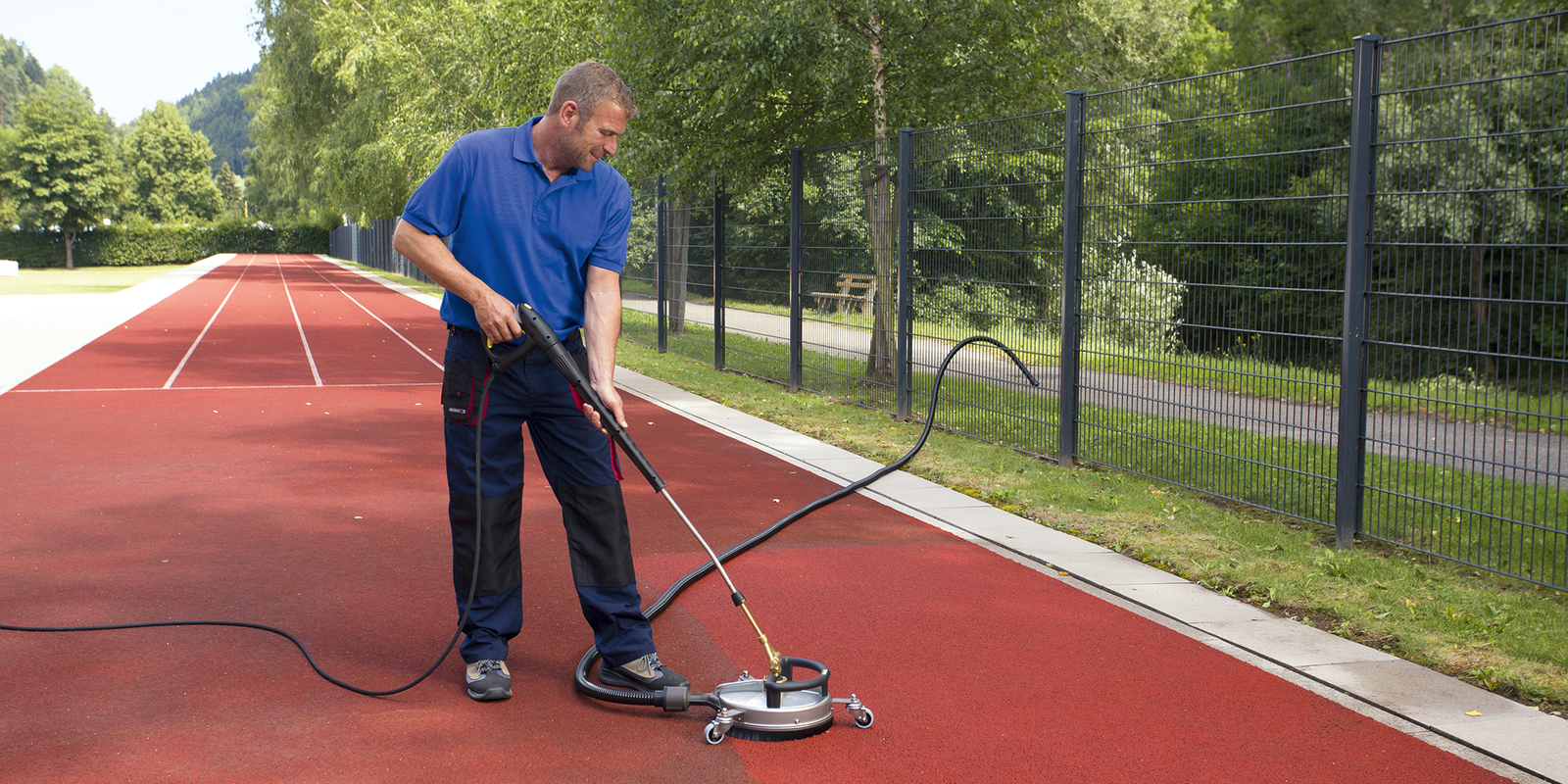
Full Tilt on the Running Track: Surface Cleaners with Power Nozzles
Not only the stands and the playing field, but also the running tracks need to be regularly maintained in order to ensure an attractive environment and optimum conditions for athletes. Surface cleaners with a working width of 12 to 20 inches (30 to 50 cm) are very well suited for this purpose, since they provide a high area performance and usually eliminate the need for detergents. Combining power nozzles with the right water volume ensures a high collision force and thus a sufficient cleaning effect. For large tracks, implement carriers with spinning bars reduce the working time considerably.
Sports Arenas, Climbing Walls, and Indoor Tennis Courts
Large floor scrubbers and autonomous floor scrubber robots reduce the strain on cleaning staff when it comes to cleaning the floors of sports arenas and multi-purpose halls. The fine chalk dust used in climbing facilities requires filter technology in vacuum cleaners. For indoor tennis courts, various machines are available for maintenance cleaning, intermediate cleaning, and deep cleaning.
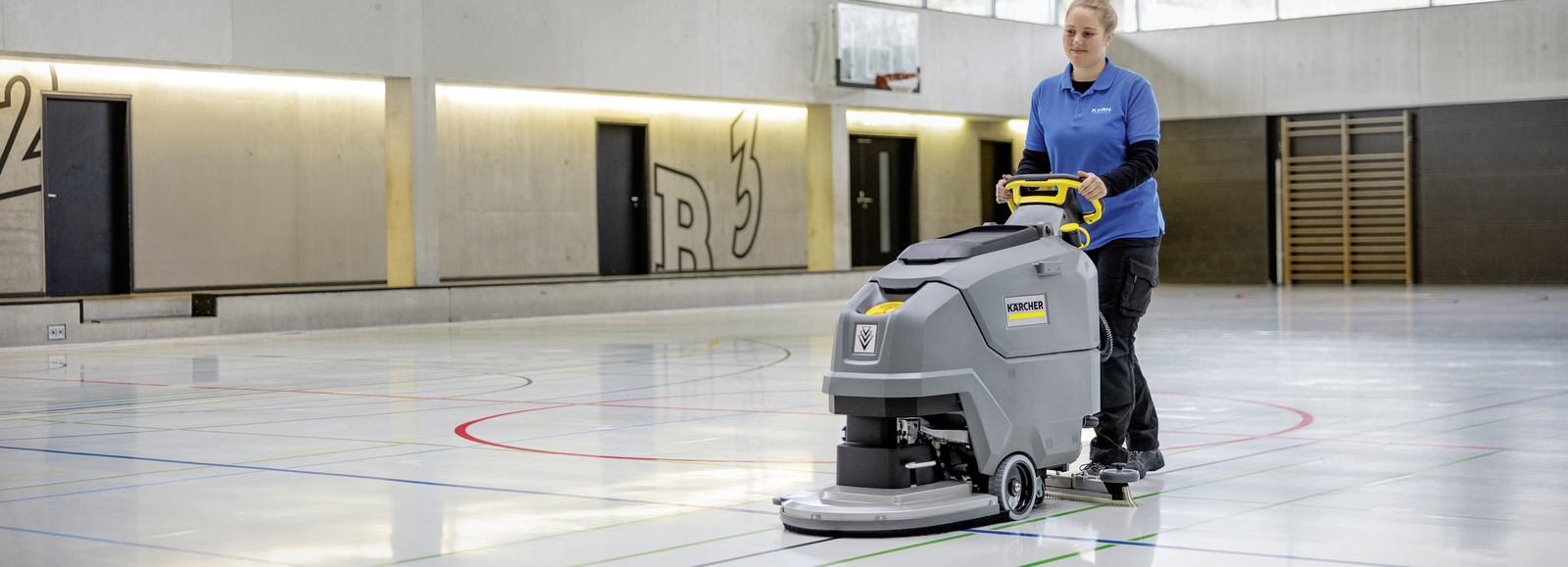
Gymnasiums and Multi-Purpose Athletic Facilities: Cleanliness Ensures Safety
Despite the simplicity of their layout, it can still be a challenge to clean gymnasiums. For one thing, it's important that different floor coverings such as linoleum, PVC, polyurethane, or parquet are all treated in the right manner. For another, the floors must not be too slippery, but not too slip-resistant either, as either state could lead to injuries whenever athletes need to suddenly stop or change direction. Therefore, the friction levels for floor coverings as specified in ASTM and other relevant US standards for sports flooring must be adhered to. To maintain these values and avoid the risk of injury, standard-compliant cleaning and wipe care products must be used.
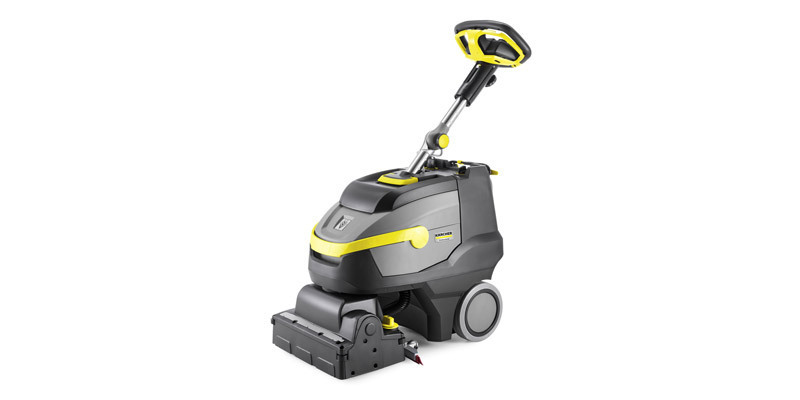
Large floor scrubbers are the most efficient solution for floor cleaning in sports arenas. As some of the floors are sprung floors and can only withstand limited point or wheel loads, it is important to ask the manufacturer about the maximum load limits to prevent damage. This also applies to the use of floor scrubber robots, which can considerably help to relieve the pressure on cleaning staff. Autonomous models are available that empty, refill, and charge themselves at a docking station.
In the colder months, it's particularly useful to occasionally carry out dust-binding mopping. This is because the increased use of the gyms results in more dust, which in turn increases the risk of slipping. If wet cleaning is not carried out daily, a robotic vacuum cleaner can be used as an alternative.
Climbing Walls: Victory Over Fine Dust
In climbing facilities, the fine chalk or magnesium dust used by climbers is the biggest challenge for cleaning staff to take care of. Powerful vacuum cleaners with automatic filter cleaning and cartridge filters are essential for reliable floor cleaning. This is because flat pleated filters would otherwise quickly clog and become blocked with fine dust. This, in turn, impairs their performance. Holds and footholds in climbing walls and bouldering walls must be regularly dismantled for maintenance. Dust, skin oils, and scuff marks from shoe soles can then be easily removed with a pressure washer.
Tip – Alkaline Detergents for Holds and Footholds:
To tackle stubborn dirt, we recommend pretreating holds and footholds with an alkaline detergent.
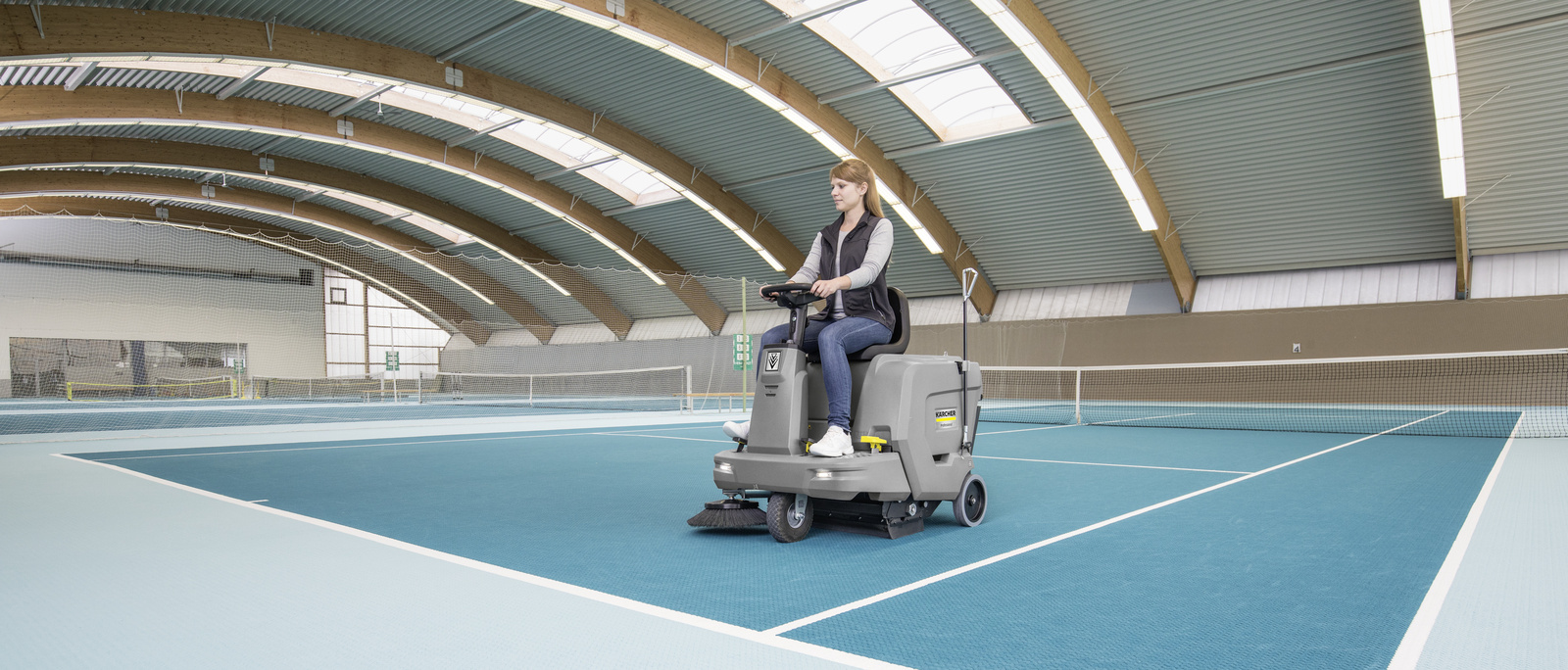
Indoor Tennis Courts: Maintenance, Intermediate, and Deep Cleaning
Ball lint abrasion is a particular challenge when cleaning indoor tennis courts. For larger facilities, carpet vacuum sweepers with antistatic rollers and large trash containers serve as a very good solution. Battery-powered upright vacuum cleaners or backpack vacuums are more suitable for smaller areas. A battery-powered spray extraction machine is recommended for dealing with localized dirt. This sprays water mixed with detergent onto the soiled area and then vacuums it away from the textile surface. Depending on the degree of dirt, the surface is treated once or several times, efficiently removing moisture and dirt with each pass. The surfaces then dry quickly and are ready for use again.
Oscillating single-disc machines in combination with a microfiber pad and a surfactant-free detergent can be used for intermediate cleaning. Thanks to the combination of orbital and rotary movement, the floor is cleaned from all directions, ensuring excellent results in a short amount of time.
For deep cleaning, two-step spray extraction is a very efficient option. The cleaning solution is applied and, after it has had time to take effect, is then vacuumed up in a second step. For heavily soiled surfaces, the cleaning power can be further enhanced by combining this with a single-disc machine and a shampooing brush or a microfiber/yarn pad. Corners and edges will still need to be treated manually. Finally, the floor covering is thoroughly rinsed with clear water. As an alternative to spray extraction and the combination method, a carpet cleaning machine can be used instead.
Kick Germs Into Touch: The Gym and Sauna
Hygiene is an absolute must in gyms and sauna areas. Steam cleaners are ideal for sports equipment, while rapid disinfection is advisable for critical contact surfaces.
Steam vs. Disinfection: Hygiene in Gyms and Saunas
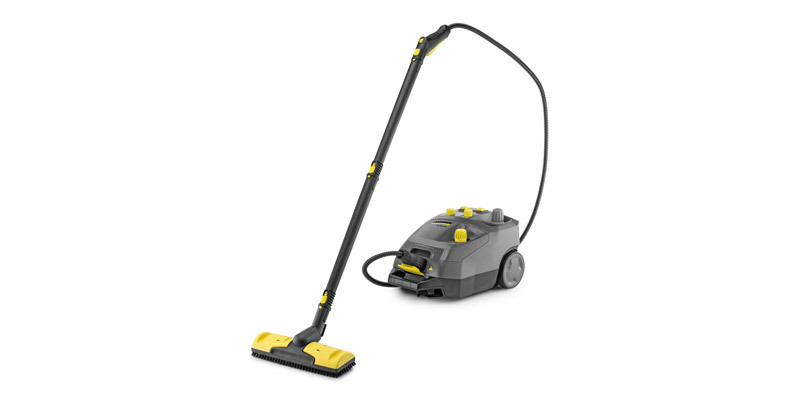
Many sports clubs now offer a gym in addition to indoor and outdoor sports facilities. Since visitors are in direct contact with the fitness equipment, it's essential to ensure these touchpoints are kept clean and hygienic. Steam cleaners are an efficient solution to this, as they reduce germs and effortlessly remove skin flakes, grease, and sweat. No detergents or disinfectants are required for this either, which also benefits the environment.
Dazzling Performance: Cleaning Mirrors in Training Areas
The cleaning of large wall-mounted mirrors that usually extend from floor to ceiling is also important for creating the impression of a well-maintained space. Sets containing a telescoping wand, hook-and-loop system, and microfiber cloth for shiny surfaces are a convenient choice for this particular task. Cleaning staff can easily carry this equipment around in a cart so it is always within easy reach. Depending on the height of the mirror, window vacuum cleaners may also be a useful tool.
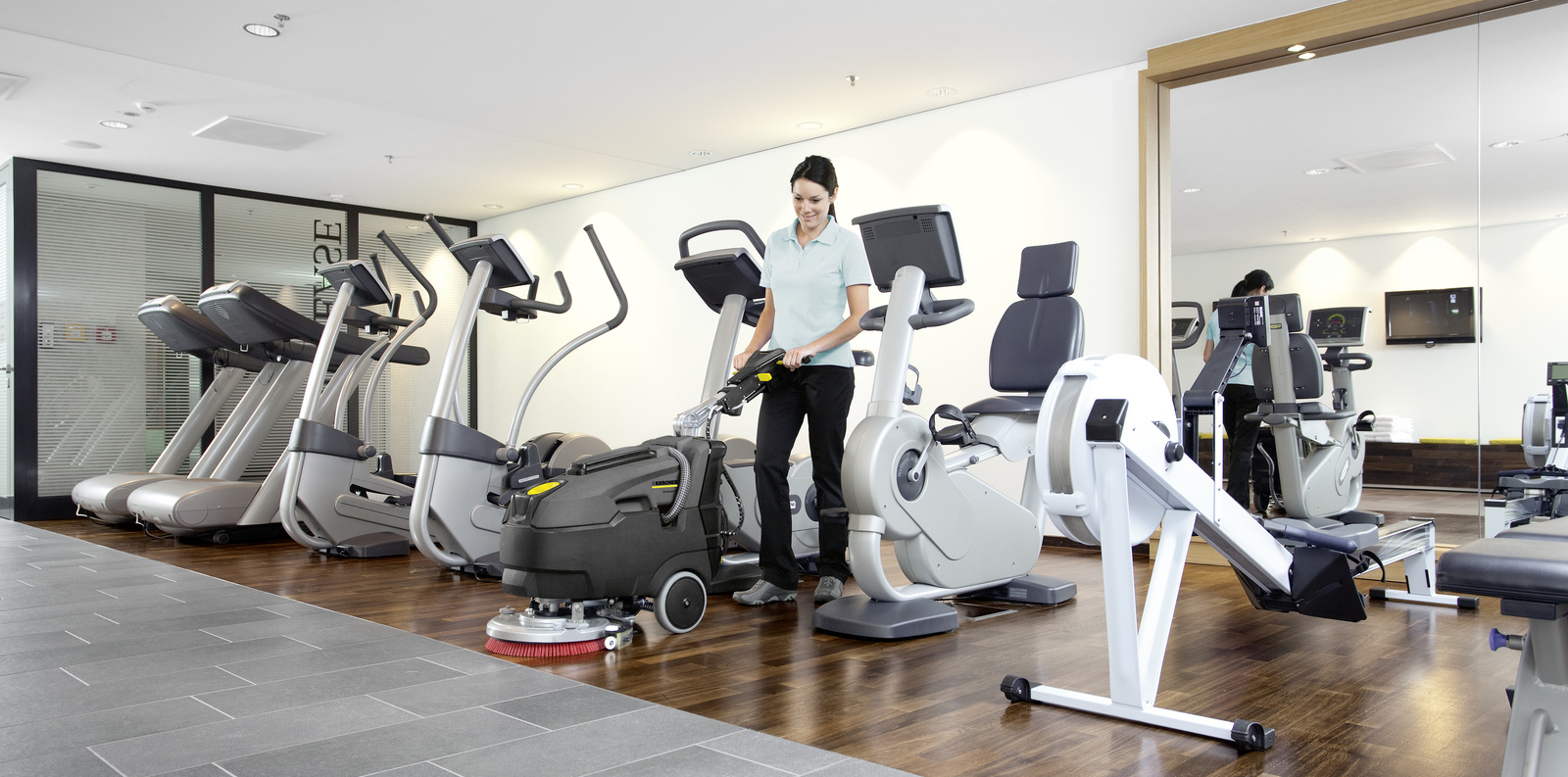
Tip – Disinfection of Touchpoints:
For surfaces that come into frequent contact with hands and skin, a quick disinfectant can also be used.
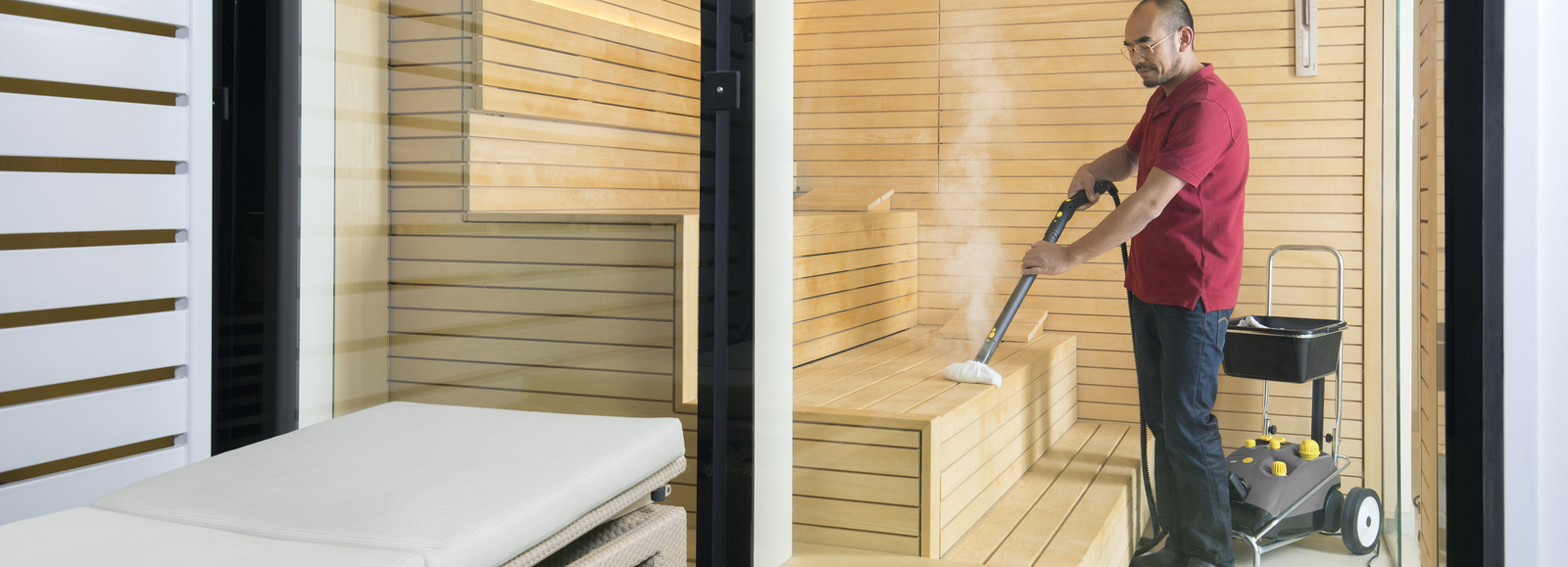
Recharge Your Batteries Germ-Free: Saunas and Wellness Areas
Many sports centers offer their visitors a wellness area with a sauna for relaxation after a workout. Although this area is designed to be relaxing, keeping it clean is anything but. Countless surfaces that come into direct contact with skin, such as benches made from wood or PVC, as well as changing cubicles, must be kept hygienically clean. Manual cleaning with disinfection is likely to be necessary in this critical area. When using disinfectants, the rule of thumb is: as much as necessary, but as little as possible.
Tip 1 – Disinfectants Based on Oxygen-Releasing Agents:
To avoid any stains on wooden surfaces, disinfectants with oxygen-releasing agents should be used.
Tip 2 – Steam Cleaners for Walls, Benches, and Loungers:
Depending on the available space, a steam cleaner is an ideal solution for deep cleaning walls, benches, and loungers.
Tip 3 – Cleaning Larger Areas:
Larger areas can be cleaned efficiently with lint-free terry cloths and a large floor nozzle.
Changing Rooms, Restroom Facilities, and Washrooms
Changing rooms, restroom facilities, and washrooms in sports venues are generally highly trafficked and require intensive cleaning. However, disinfection is not always necessary to combat microorganisms.
First and Second Pass for Hygiene: Acidic and Alkaline Detergents
Alternating between acidic and alkaline detergents removes both mineral and organic dirt. This removes the breeding ground for unwanted guests such as bacteria and fungi, and so the disinfection step can often be omitted. Nevertheless, cleaners must always be equipped with suitable personal protective equipment (PPE) and gloves whenever disinfectants or detergents are used.
A Team Effort to Ensure Hygiene: Color-Coding, Folding, Soaking
To prevent cross-contamination during surface cleaning in restroom facilities and washrooms, it's a good idea to make use of the color-coded system. Red cleaning textiles and buckets are used for toilets, urinals, and splash areas. Yellow utensils are reserved for other tiled areas, as well as washbasins, faucets, mirrors, and shower stalls.
The cloth-folding method with pre-moistened cleaning cloths can also be used. The cloths are folded two or three times so that each surface can be wiped using a fresh side of the cloth. Once all sides have been used, the cloth is discarded and replaced with a fresh one.
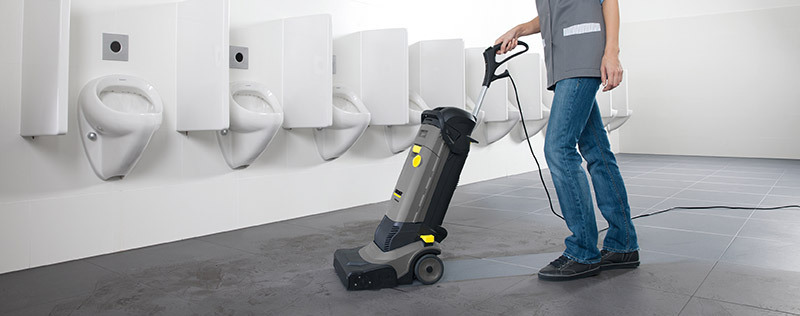
A microfiber mop system is a good choice for the wet cleaning of confined floor space in changing cubicles and restroom stalls. By having several pre-moistened mop covers ready for use, there is no need for a bucket of water and detergent, which makes things particularly practical. This saves time, simplifies floor cleaning, and minimizes the risk of germs spreading.
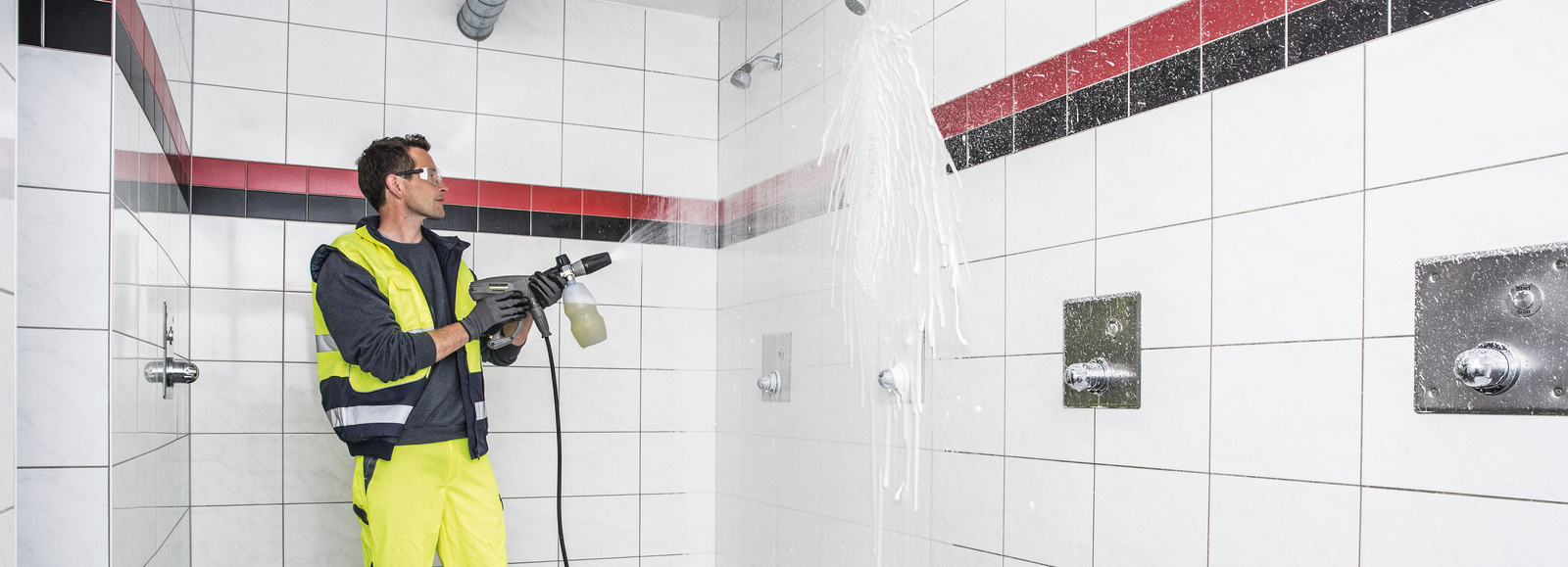
Tip 1 – Soak Grout Joints:
Grout joints containing cement are sensitive to acids. They should therefore be well rinsed with water before any acidic detergents are applied.
Tip 2 – Oxygen-Releasing Agents to Combat Mold:
Oxygen-releasing agents help to combat black mold in grout joints. However, if mold has developed on silicone joints, replacement is often the only option.
Tip 3 – Phosphoric Acid to Combat Flash Rust:
Phosphoric acid-based sanitary cleaners are the ideal solution for removing flash rust from stainless steel surfaces.
Cleaning Restroom and Changing Rooms
There are many reasons why careful cleaning is required in restroom facilities and washrooms: depending on the setting, toilets, showers, and changing rooms in office buildings, production facilities, hotels, restaurants, gyms, sports arenas, or shopping centers are used by many people. This inevitably leads to people's skin coming into contact with various surfaces that have been touched by practically all users of the facilities—including door handles, faucets, or toilet flush buttons. Consequently, microorganisms can pass from one person to the next. This must be prevented by means of defined cleaning sequences.