Commercial Stairwell Cleaning Solutions
Stairs can be true design elements, made from shot-peened steel or precious wood. They can also be critical escape routes or simply neglected pathways between floors. In any case, cleaning a stairwell is a challenge because the tight, spatial conditions make the work tedious. Why is cleanliness so important? What should be kept in mind for various floor coverings? And what are the most common operator errors? Here is an overview.
Non-Slip, Hygienically Safe, or Aesthetic: Stairwell Cleaning Is Not a Minor Matter
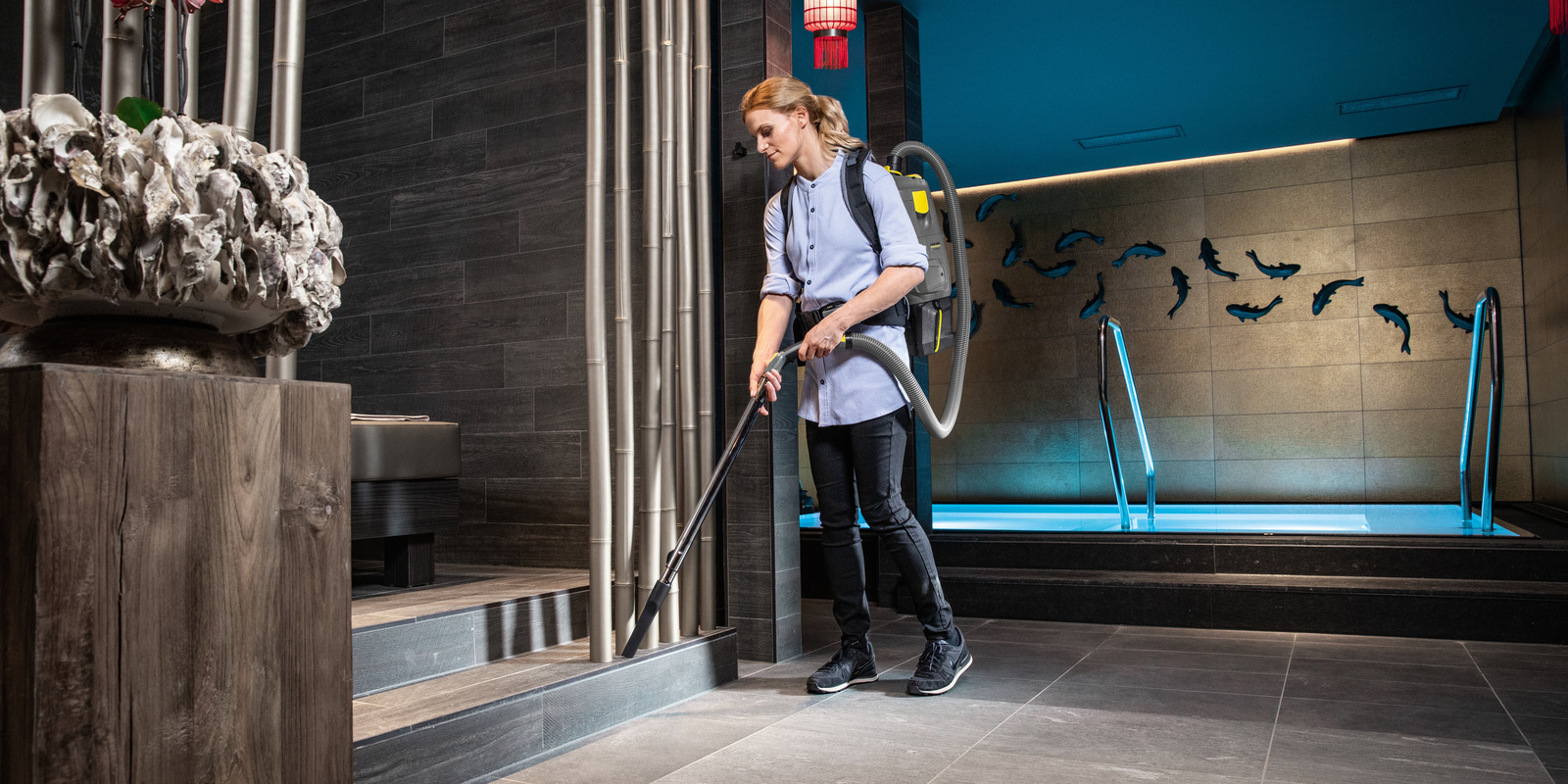
The scope of cleaning tasks for a stairwell depends primarily on the purpose the stairways serve. First, it is always about ensuring secure footing. This applies to all types of floor coverings, from textile to resilient to stone. Loose dirt can be conveniently removed with a battery-powered backpack vacuum. There is no tripping hazard from a cord, and unnecessary trips to find the next outlet are a thing of the past.
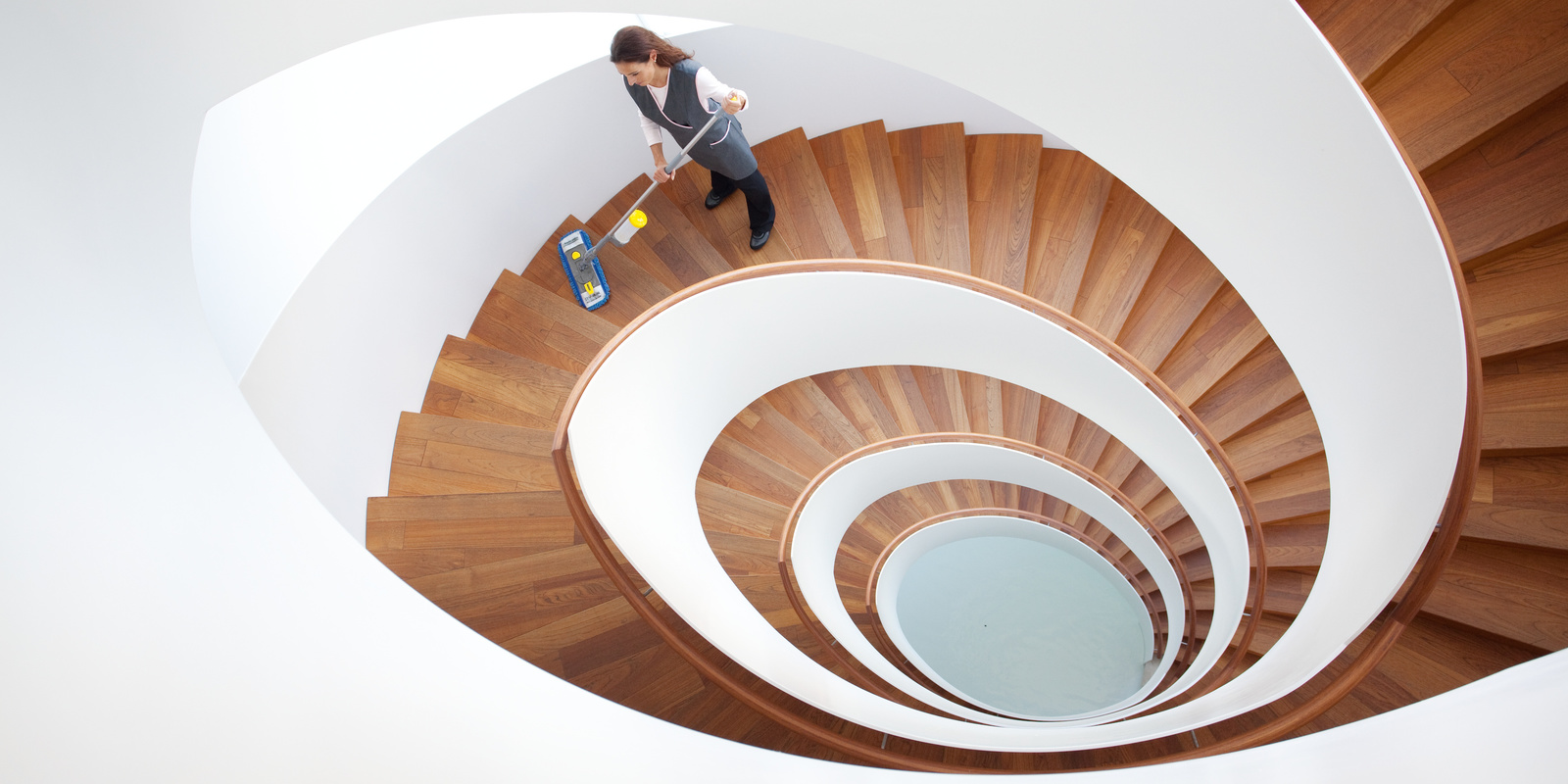
The removal of sticky dirt is usually done using a wide cleaning device with microfiber wiping cloths. Moisture should only be avoided for wood flooring. However, with pre-treated cloths or microfiber wiping cloths, the floor can be wiped and dust can be collected so that even the finest particles are removed.
If there is heavy foot traffic in stairwells, for example in residential buildings, hotels, or shopping centers, then regular cleaning and disinfection of the handrails is important. This is the only way to avoid the transmission of germs. For staircases that serve an aesthetic purpose, it's always about maintaining the floor covering's properties for as long as possible. Therefore, it is important to carry out cleaning and maintenance measures appropriate for the specific floor covering, from porcelain to artificial and natural stone, wood, and carpet.
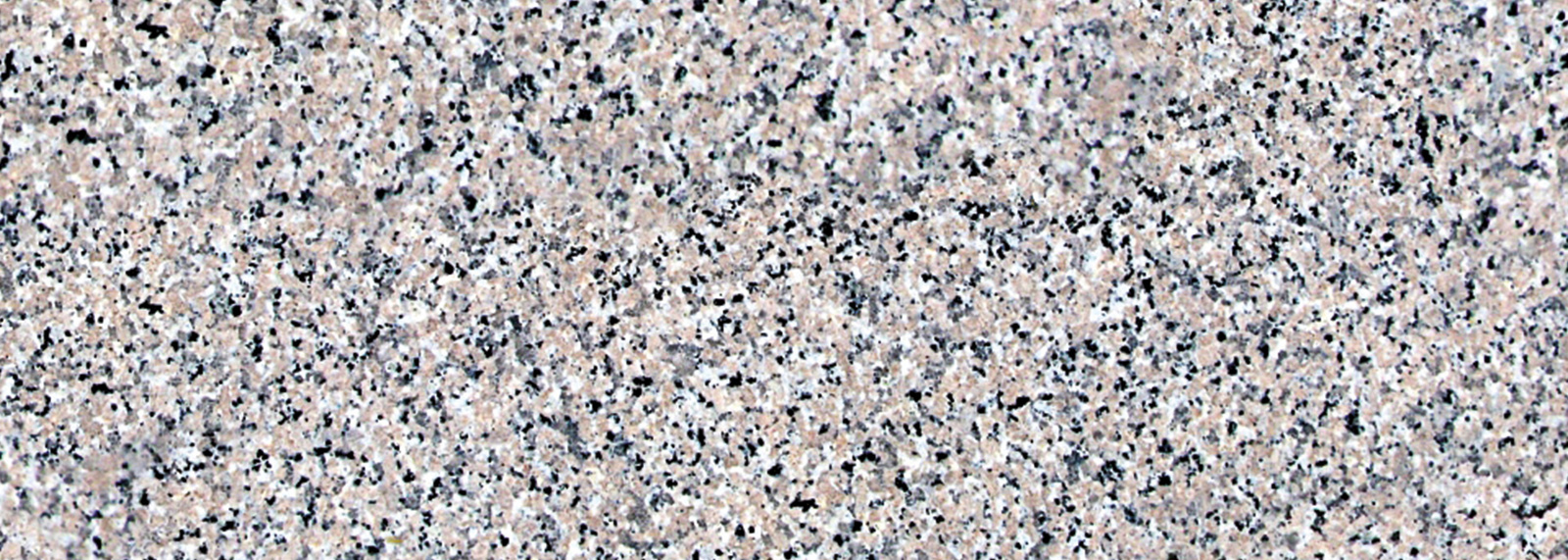
Cleaning Natural Stone Floors
Natural stones with the same or similar look can have very different technical properties, particularly with regard to sensitivity to alkalis or acids, hardness, and water absorption. It is these factors that determine which stone is suitable for which purpose and how it must be maintained in order to retain its appearance for a long time. Before cleaning, you must therefore have thorough knowledge of the stone's properties based on its mineral composition and surface treatment, as well as its usage.
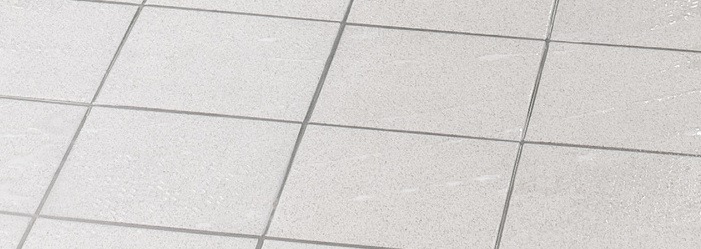
Cleaning Porcelain Tiles
Porcelain tiles are an attractive, very popular floor covering that stands out thanks to its robust and slip-resistant qualities, as well as its very low moisture absorption rate. A modern and safe design medium, it is impossible to imagine floor coverings without porcelain today.
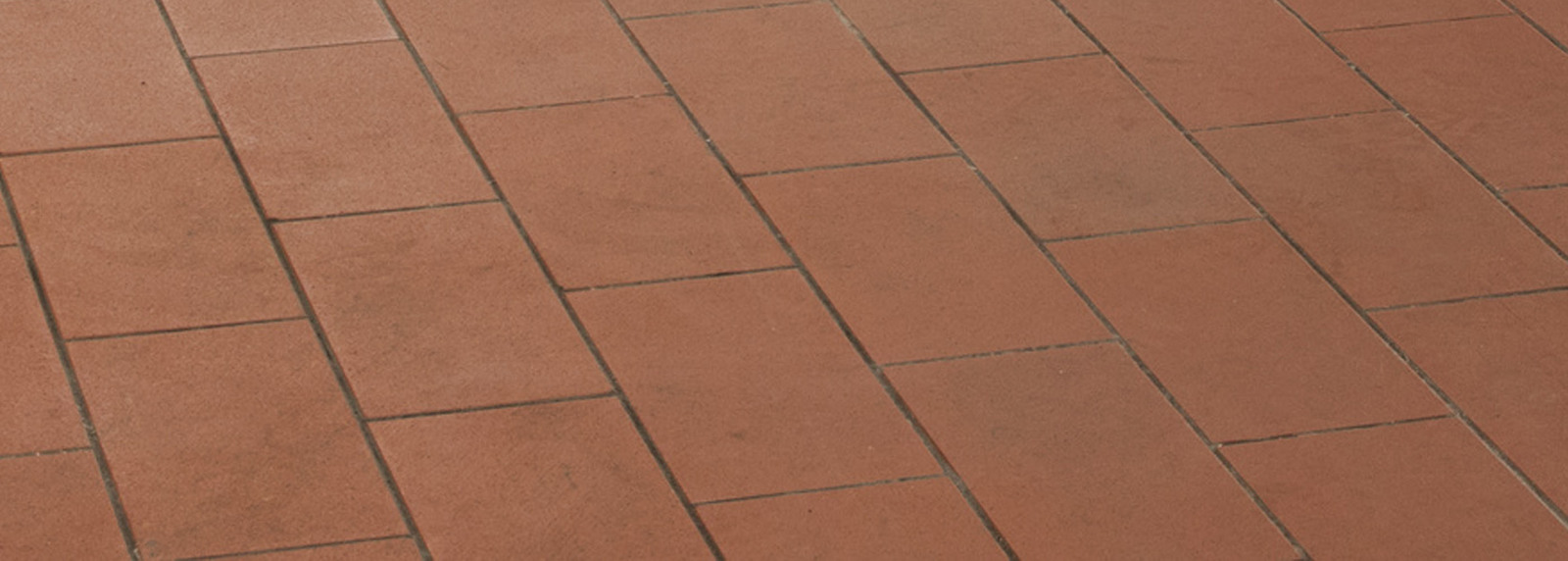
Cleaning Ceramic Tiles
Cleaning and maintaining ceramic tiles—how does it work? They are fired at a temperature of 1,832°F (1000°C) to 2,552°F (1400°C) and made of inorganic materials. Terracotta, clinker brick, porcelain, earthenware, and stoneware are widely used today. Although there are many different variations, the cleaning steps are always similar. Only a few types of tile require maintenance.
The Effect of Time: Different Types of Damage, Different Cleaning Techniques
Dirt and traffic leave their traces on any type of floor covering. Depending on the flooring material, various cleaning techniques are appropriate to maintain the floor and enjoy it for as long as possible. If it is a wooden staircase, then it is mainly at risk from the abrasion of dirt and sand particles. The tiny grains are massaged into the floor by passersby and make the wood open to attack. If moisture is added, for example from wet shoes or improper cleaning, then the water enters the wood and sooner or later leads to damage. To avoid this, it is recommended to maintain the stairwell accordingly after deep cleaning, at least twice a year.
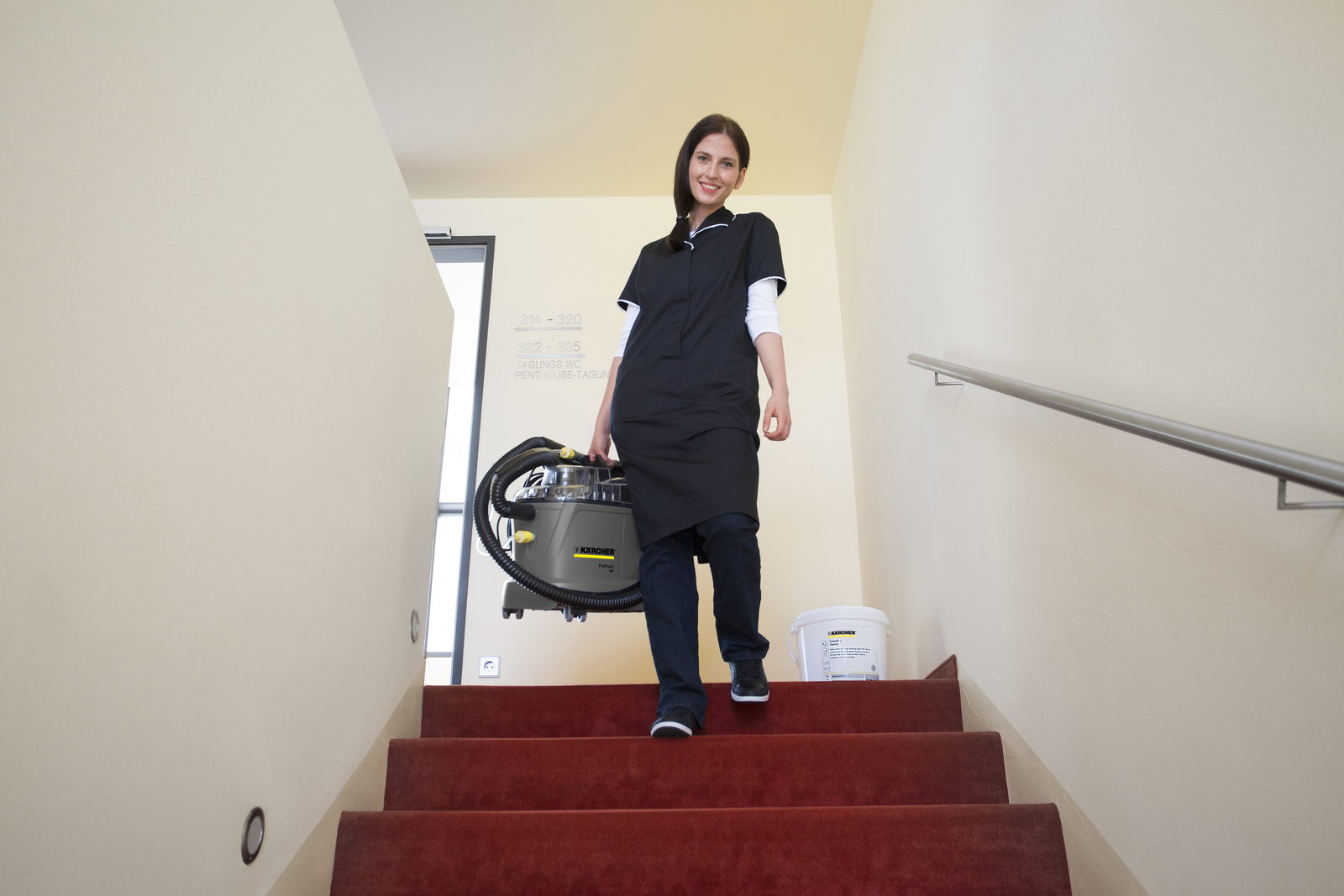
In Hotels, Carpets Are Often Laid in Hallways and on Staircases. Track Marks Arise on the Textile Floor Coverings Over Time.
In addition, stair edges often get very dirty, for example from shoe polish. Small stains can be removed using a stain removal product. Here it is important to work from the outside of the stain to the inside in order to not spread the stain. For deep cleaning, the spray extraction method can also be used to remove stains. A narrow hand nozzle allows this technique to also be used on narrow stairs. However, the drying time is at least six to eight hours.
Tip:
Finally, severe soiling can often be found on heavily used staircases in residential buildings or parking garages, from chewing gum to road dirt to urine. Depending on the environment and surface type, in this case working with pressure washers or steam cleaners can be useful and efficient.
The Staircase Is More Than Just the Stairs: What Still Needs to Be Done
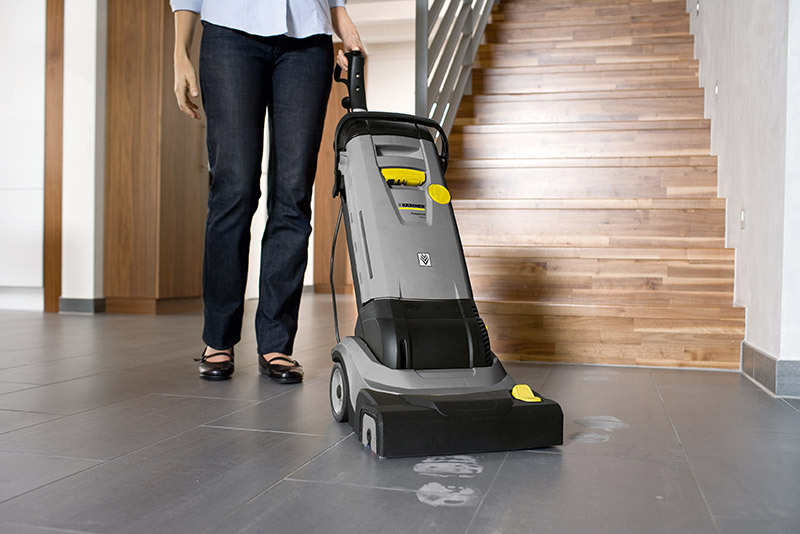
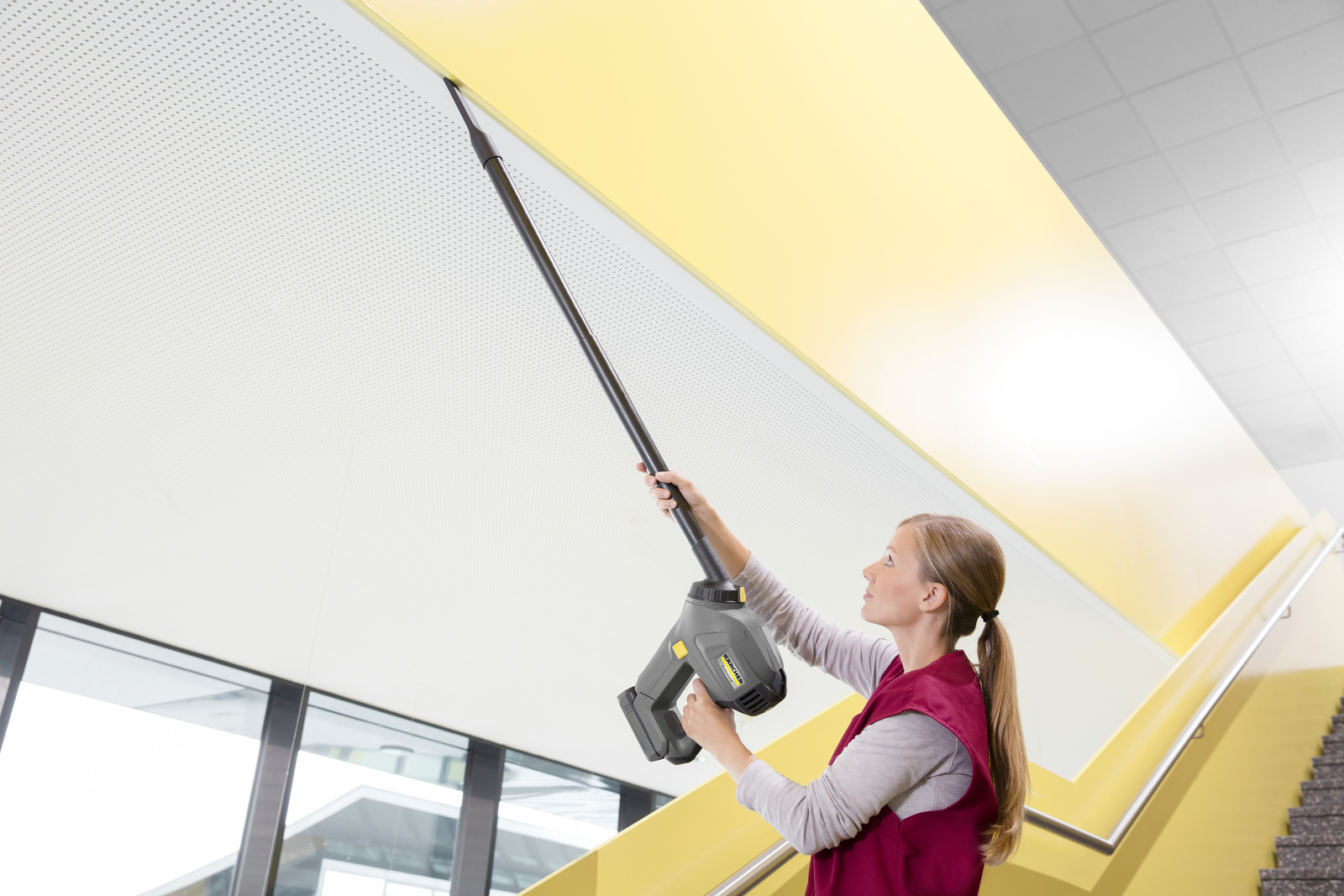
To achieve a well-kept impression, cleaning the steps and handrails alone is not enough. To keep the landings clean, the use of a compact, battery-powered floor scrubber is recommended. Its higher contact pressure compared to that of a large surface wiping machine, along with a roller speed that is suitable for the application, ensures outstanding cleaning results. Battery-powered handheld vacuums are suited to a wide range of detail work in stairwells. The glass surfaces of doors or windows are usually quick and easy to clean using a window vac. They ensure that no splash water arises, which could cause a slipping hazard. Heavy contamination such as chewing gum or stickers can be removed from walls that are painted with latex paint using a pressure washer at a low pressure setting.
Top Three Most Common Application Errors: A Glimpse into the Bag of Tricks
Work that is already arduous and time-consuming should not be made any more difficult by application errors. Therefore, it is worthwhile to work thoroughly and avoid such errors.
1. If a staircase is only wiped with a damp cloth, without removing the dust beforehand, then the floor covering becomes discolored because the dust is essentially worked into the floor with the wiping. The dirt is also often pushed aside and contaminates the handrails on lower floors.
2. The erection of signs with the warning of a slipping hazard and risk of accident for passersby is often omitted in a hurry when wet wiping is carried out.
3. If the wiping cloth is not washed often enough or the water is replaced too infrequently, the dirt is spread over the stairs, meaning that the desired result is not achieved, and deep cleaning is required sooner.
When Stairs Start Moving: Solutions for Escalators
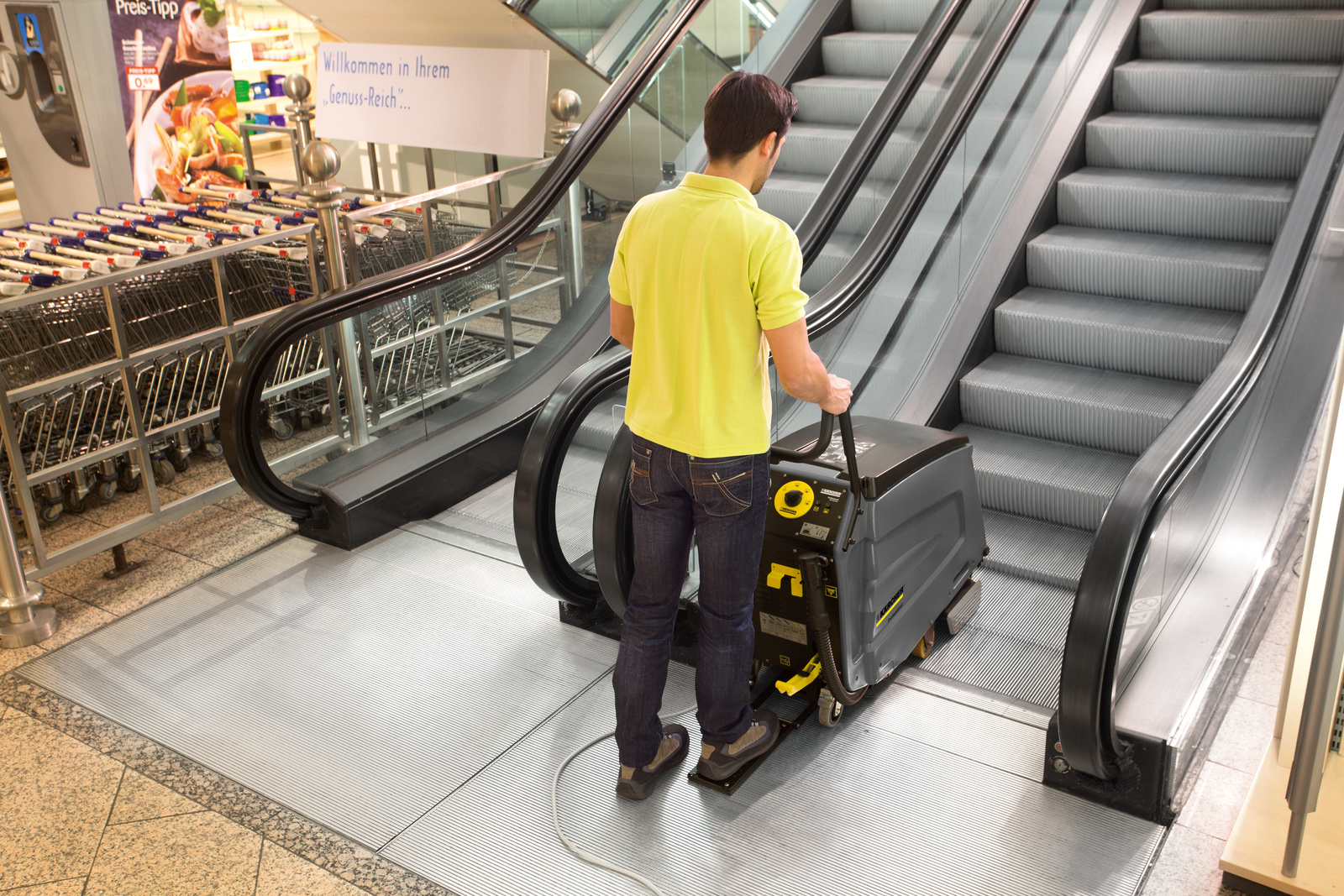
Dry cleaning methods for escalators are only able to brush out loose particles from the grooves and vacuum the loosened dirt. For deep cleaning, wet cleaning has been proven to reliably remove stubborn dirt and spilled liquids, compacted road dirt, or grease. Machines that apply the cleaning solution to steps or contact surfaces using brushes are used. This helps avoid excessive wetting. The dirt is dissolved in the required contact time, then brushed out from the profile and transported from the counter-rotating dirt-absorbing brushes to the suction. To guarantee the necessary vacuum, guide ridges engage in the profile grooves and seal the stair surface to the suction channel. This way, efficient cleaning is achieved and the penetration of liquids into the system is avoided.