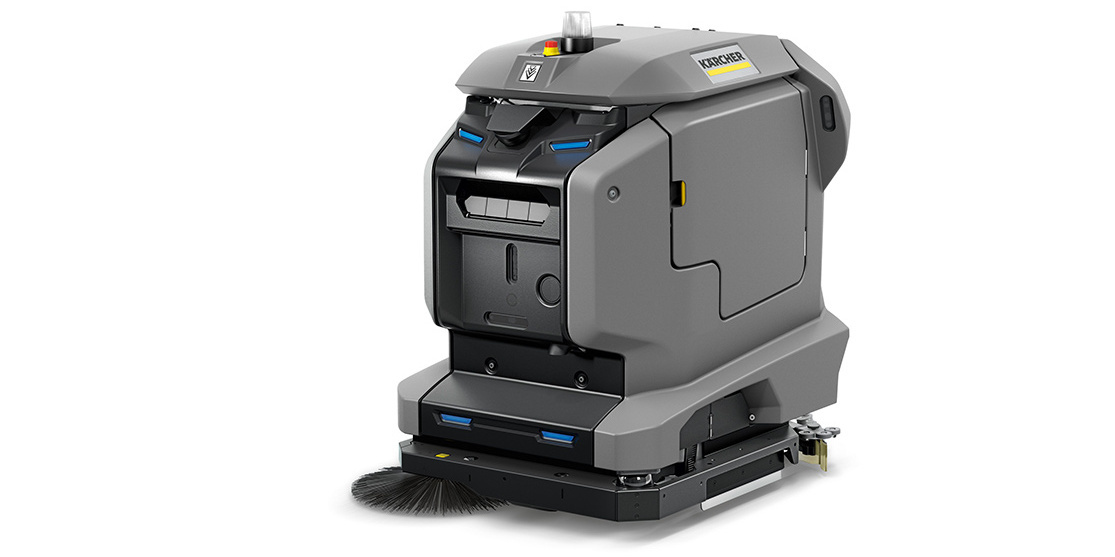
Cleaning in the Healthcare Industry
Whether in a hospital, nursing home, or assisted living facility, cleaning in the healthcare sector places the highest demands on everyone involved in order to prevent the spread of pathogens and ensure the safety of patients and residents, as well as staff and visitors. Although the focus is on patient-facing areas, the entire infrastructure must be kept in view. The requirements vary greatly from country to country, but what they all have in common is that structural quality, process quality, and cleaning quality are always central.
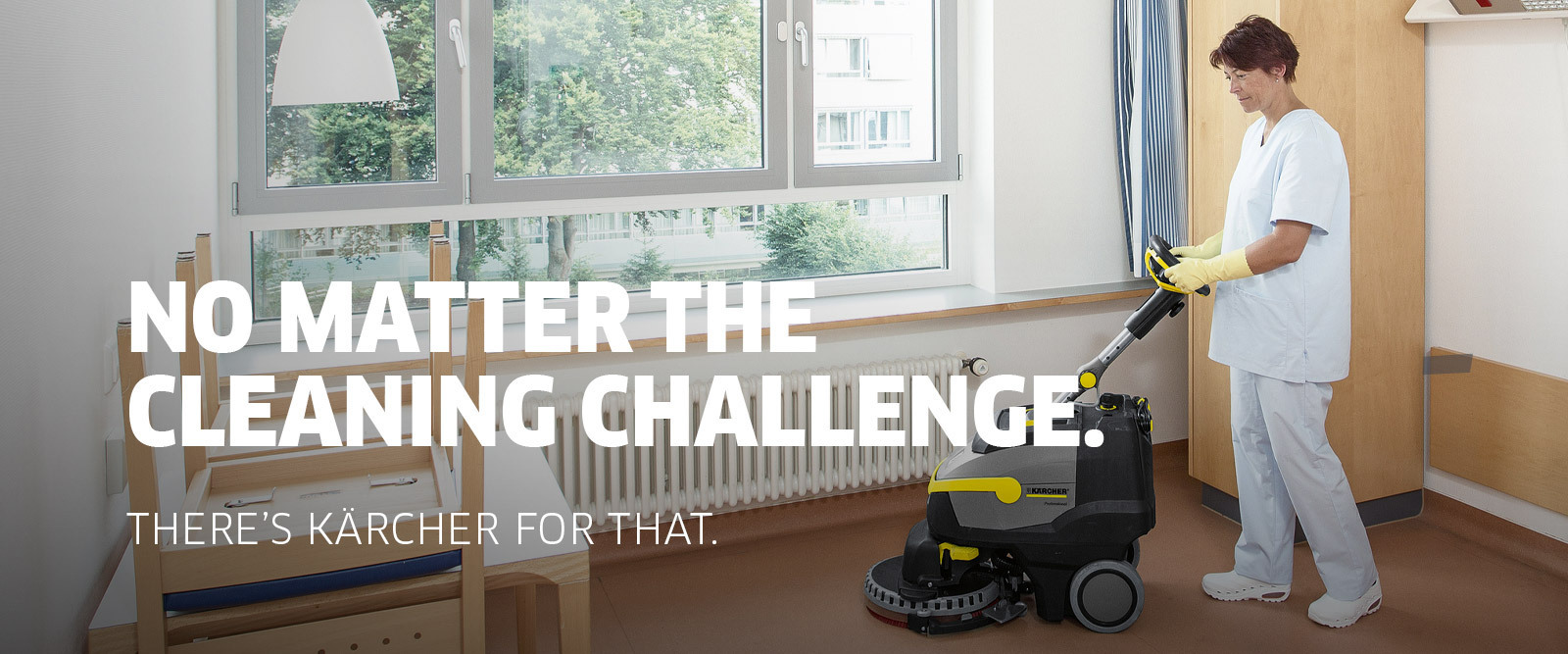
Download Our FREE Cleaning Solutions Guide For Healthcare
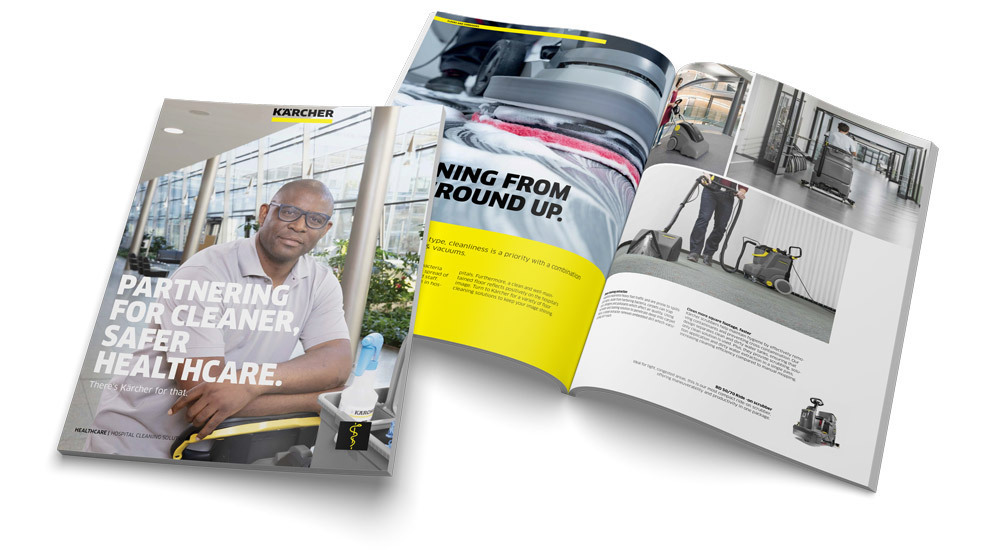
A Solution For Every Task
Let's achieve more together.
Guidelines for Orientation
Several international organizations develop specifications and guidelines for cleaning in hospitals and other healthcare facilities, including the World Health Organization (WHO), the Centers for Disease Control and Prevention (CDC), and the Occupational Safety and Health Administration (OSHA). While these guidelines are not always legally mandatory, they are considered important recommendations and best practices in the United States and around the world. Hospital operators and healthcare facilities also benefit from a certain degree of legal security when they can provide proof of cleaning in accordance with these recognized guidelines.
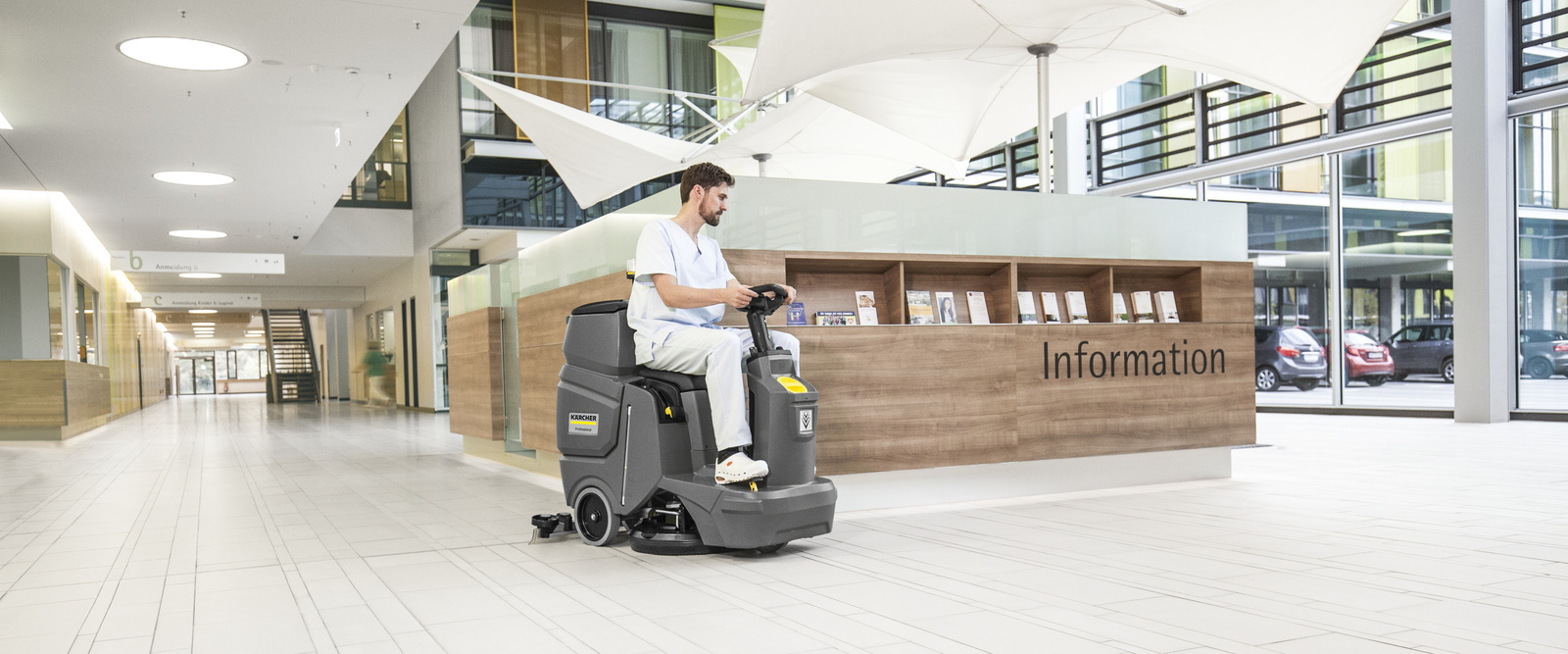
Prerequisite No. 1: Structural Quality
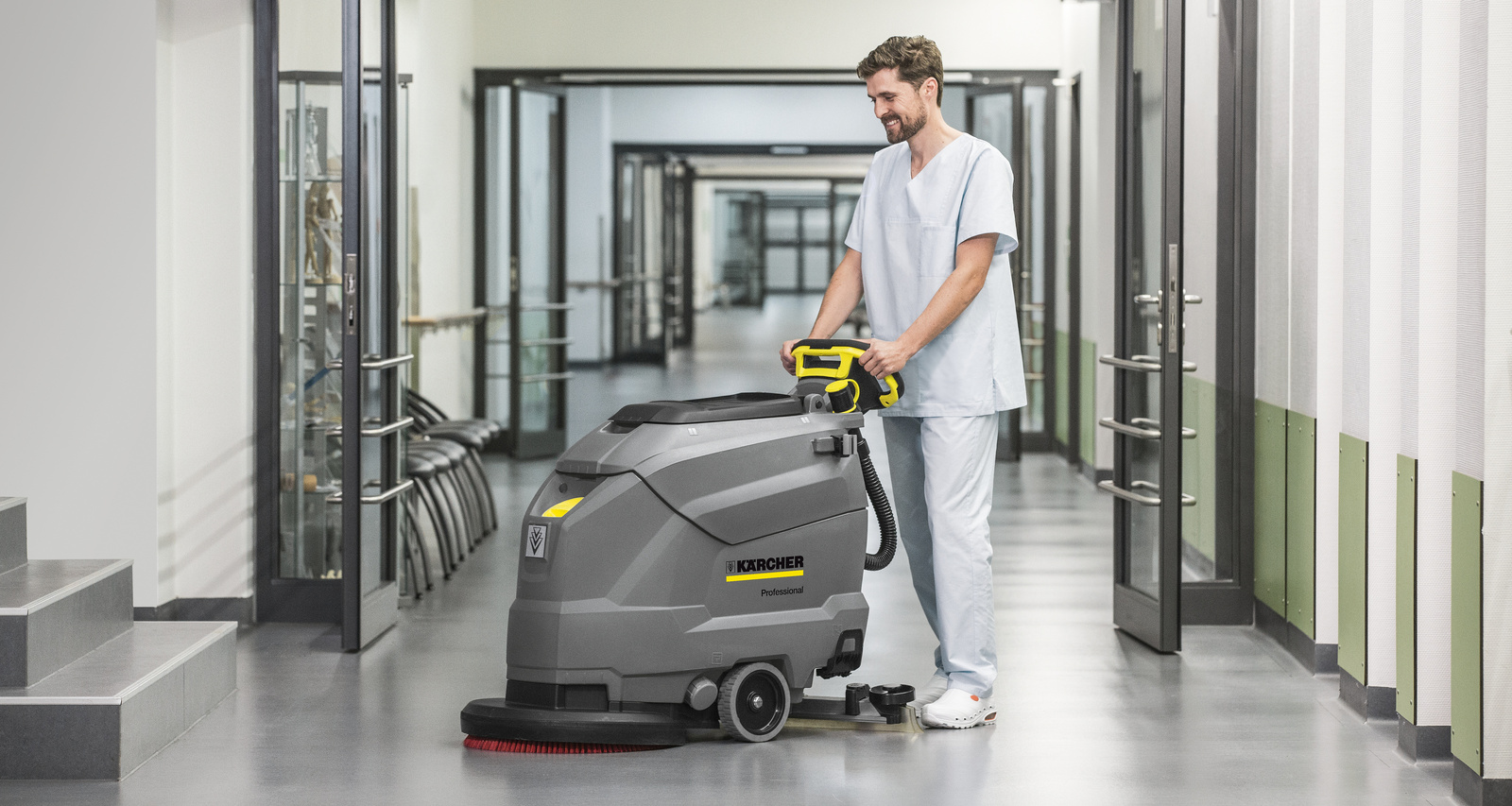
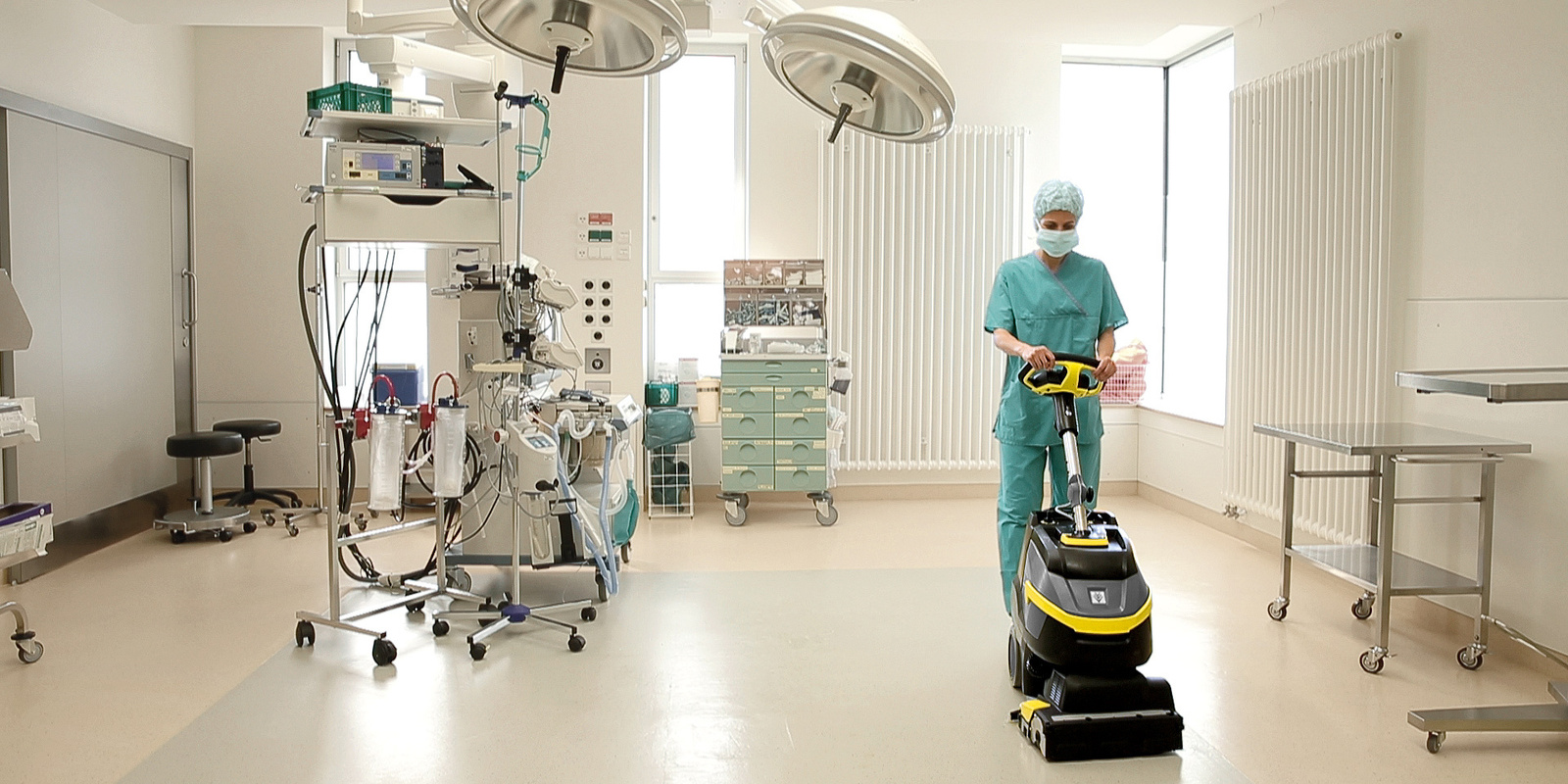
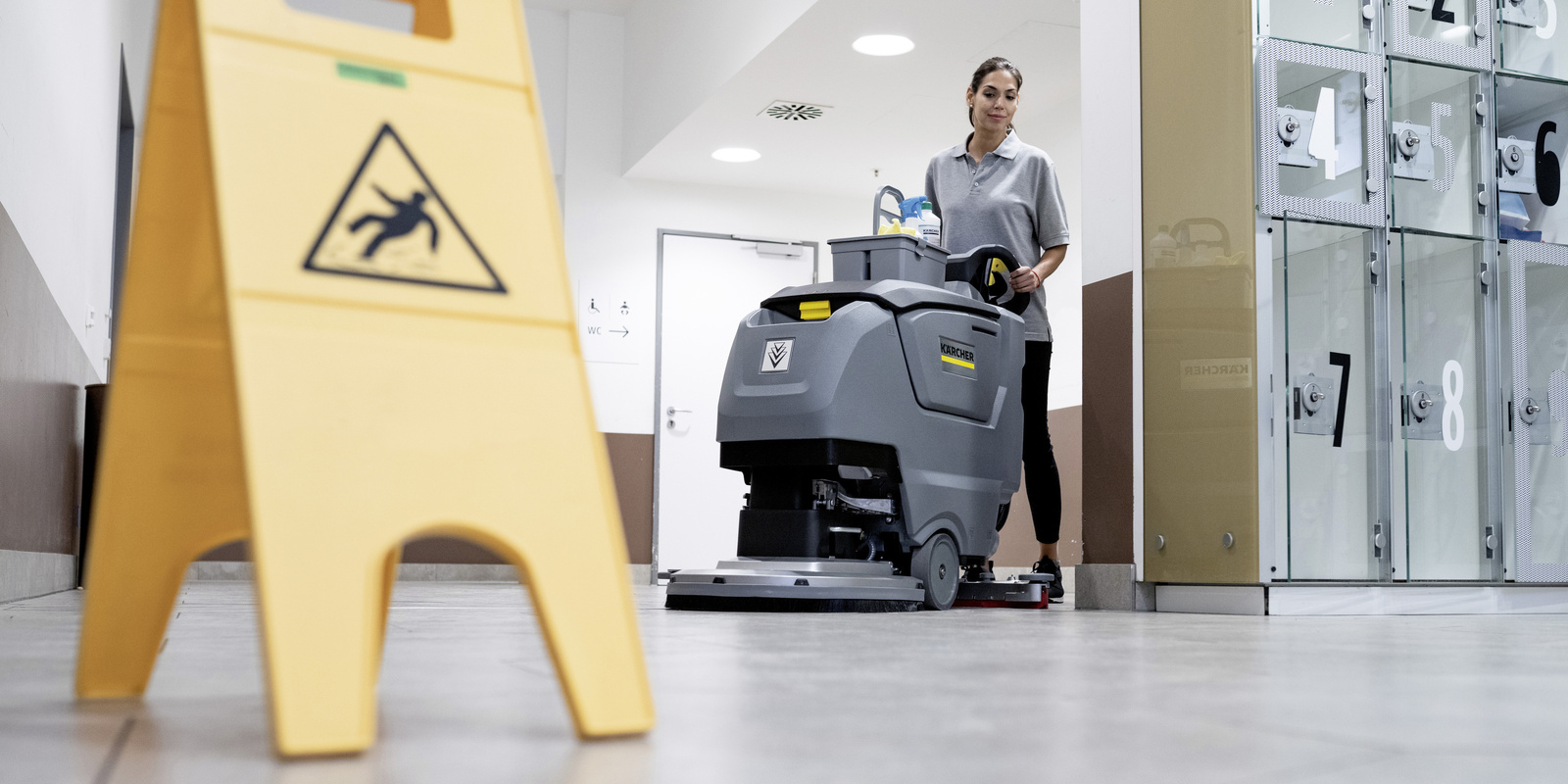
In order to be able to establish clear-cut cleaning processes, structural quality is an essential prerequisite. This includes operation and organisation, whereby the suitability of the service provider is checked and authorisations and responsibilities are allocated. The requirements for cleaning staff and supervisory and governance employees are also defined. The third essential component is the establishment of criteria to be met by cleaning trolleys, scrubber dryers or cleaning textiles, for example. Efficient, cleverly designed cleaning equipment plays an important role in achieving the desired result.
In order to be able to establish clear-cut cleaning processes, structural quality is an essential prerequisite. This includes operation and organization, whereby the suitability of the service provider is checked and authorizations and responsibilities are allocated. The requirements for cleaning staff and supervisory and governance employees are also defined. The third essential component is the establishment of criteria to be met by cleaning carts, floor scrubbers, or cleaning textiles, for example. Efficient, cleverly designed cleaning equipment plays an important role in achieving the desired result.
Prerequisite No. 2: Process Quality
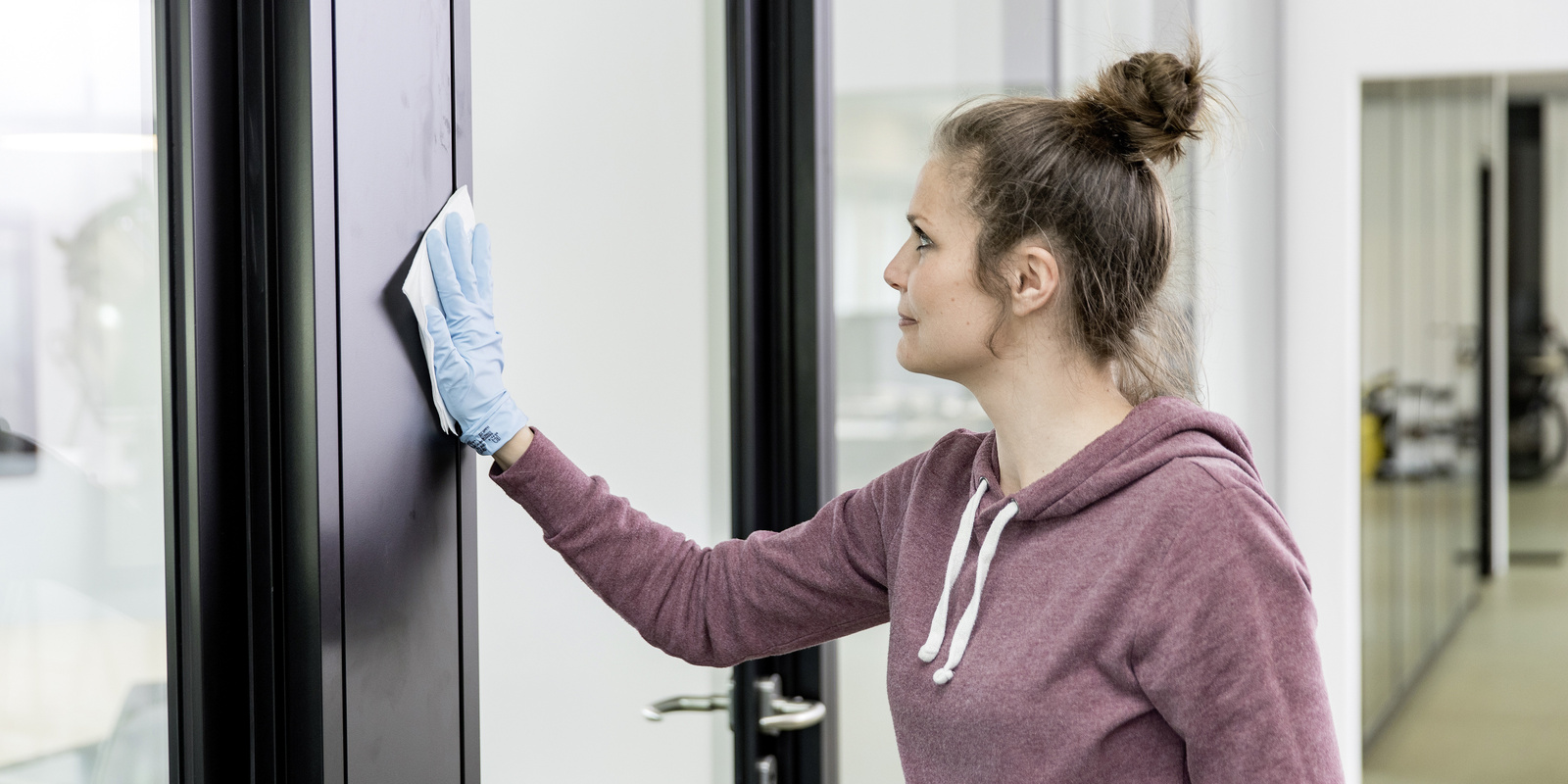
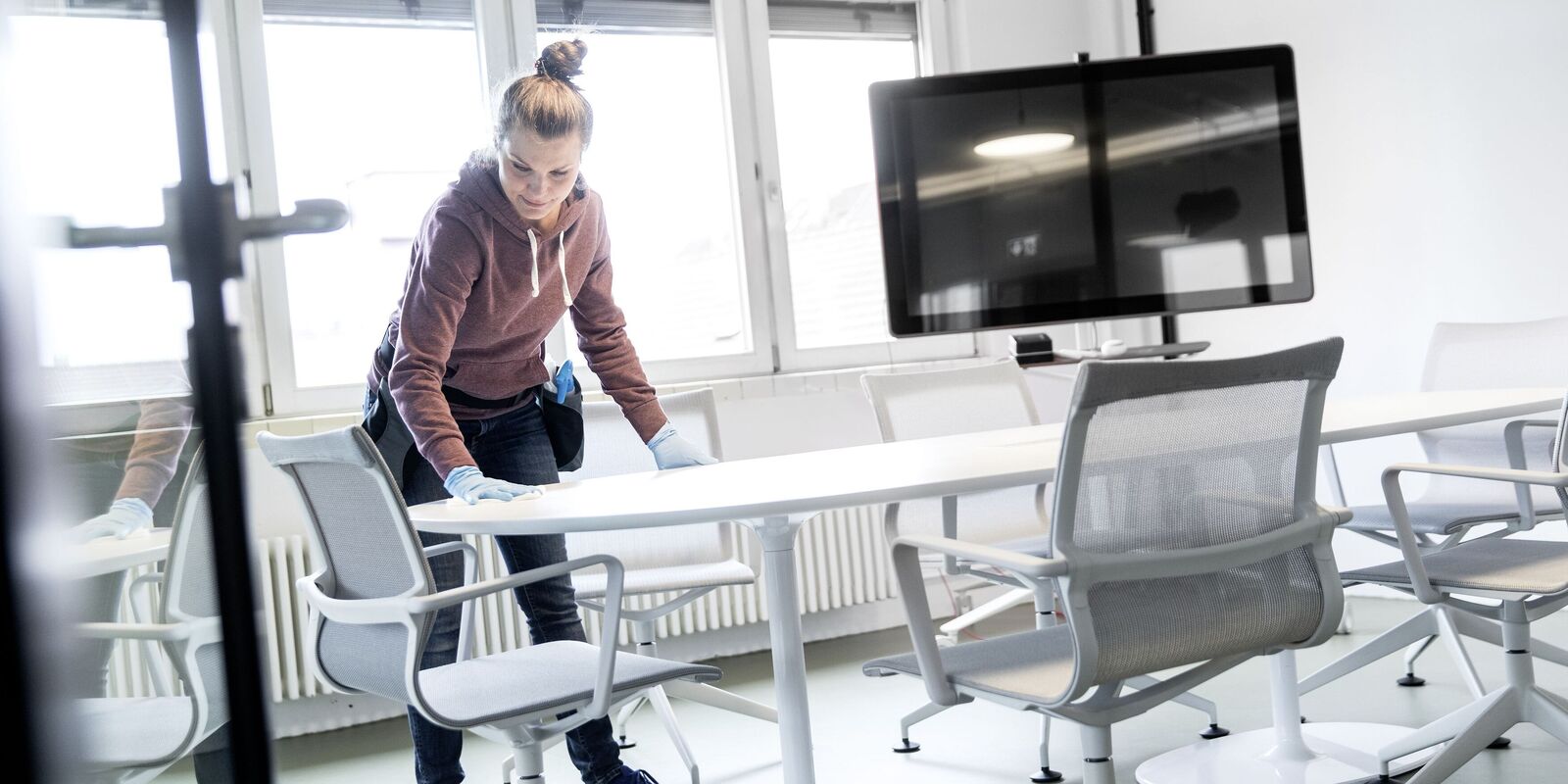
With regard to process quality, all requirements for work processes must be defined in order to ensure hygiene. Surfaces that come into contact with skin and hands in areas frequented by the public must be cleaned or disinfected daily. This includes door handles as well as control elements, faucets, and patient cabinets. It is also important to establish who cleans in which area—where do the nursing staff carry out cleaning tasks and where does the service provider do the cleaning? This is the only way to ensure clear responsibilities and prevent gaps in the cleaning process.
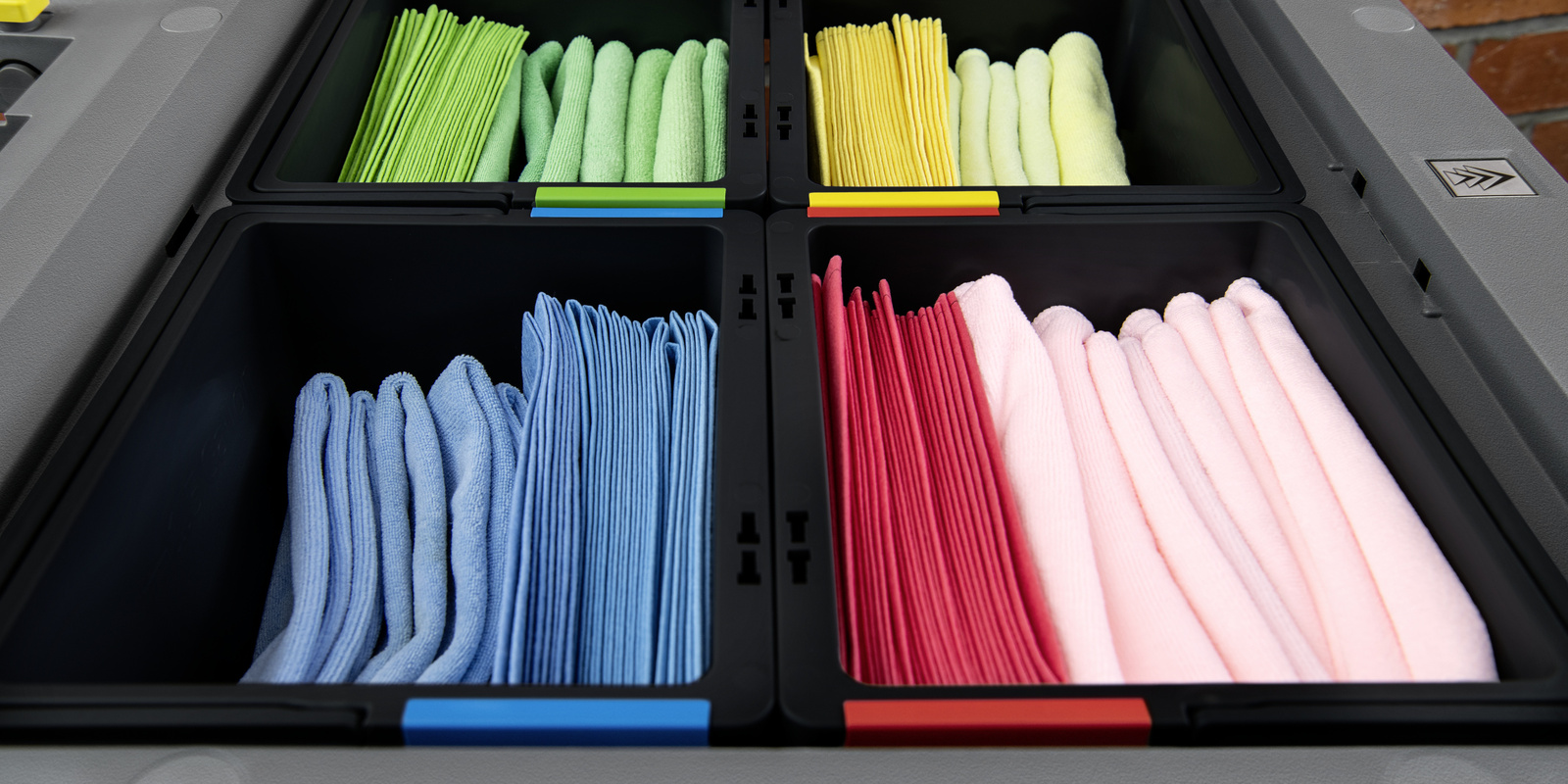
The correct use of cleaning textiles is also very important in terms of hygiene. Pretreated cleaning textiles are to be used in line with the color-coded system, which defines specific colors for specific areas of application. In addition, it is essential that a different cleaning textile is used for each patient room. If hygiene cannot be guaranteed when reusable cloths are reprocessed and transported, disposable solutions should be used.
Prerequisite No. 3: Checking the Quality of the Cleaning Results
Hygienic cleaning is more than just a one-time measure. It is a cleaning concept that is implemented daily or at regular intervals to ensure a high level of hygiene and to help reduce germs. In order to achieve transparency regarding the quality of hospital cleaning and to ensure the required quality of results, criteria and test methods for quality assurance must be set. Where necessary, optimization measures must be adopted and documented.
Cleaning Tasks in the Healthcare Sector
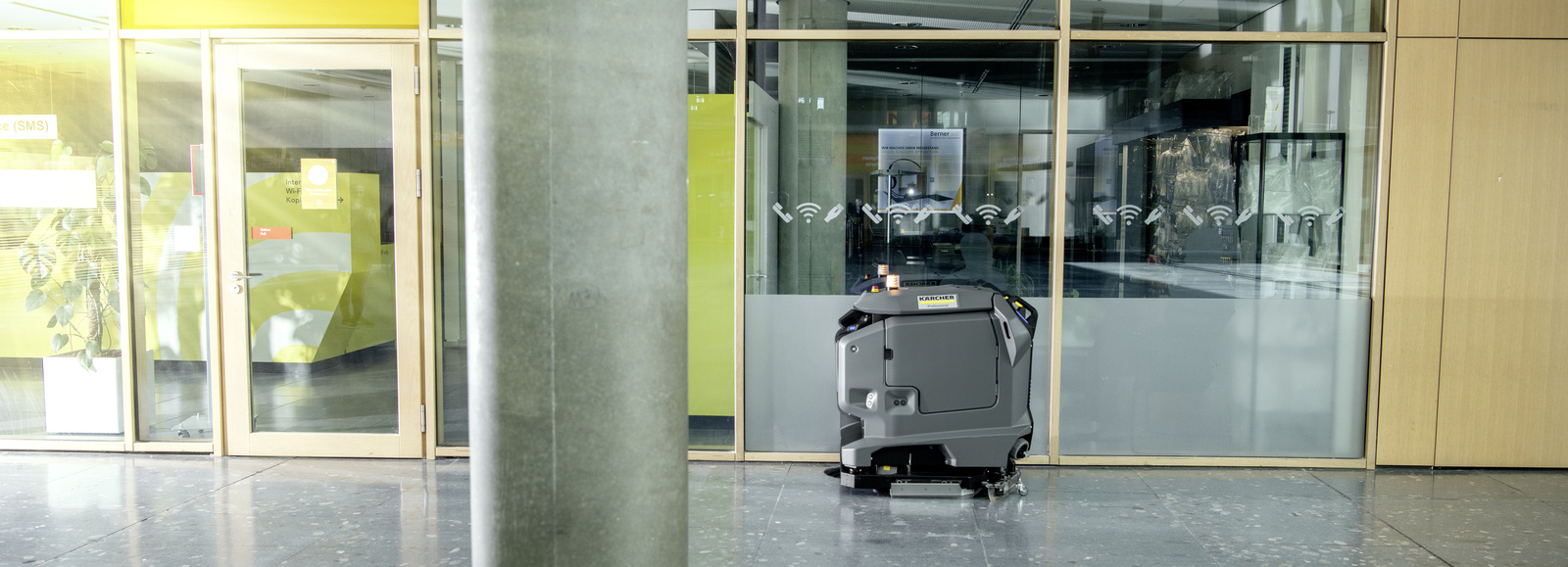
With Kärcher in your corner, every nook and cranny can be cleaned with ease and efficiency. Cleaning and disinfection is our specialty, we've developed a hospital-grade misting system specifically for high-touch points in all areas of your facility. Keep your staff and patients safe from HAIs with effective infection prevention and control.
Other Areas of Application

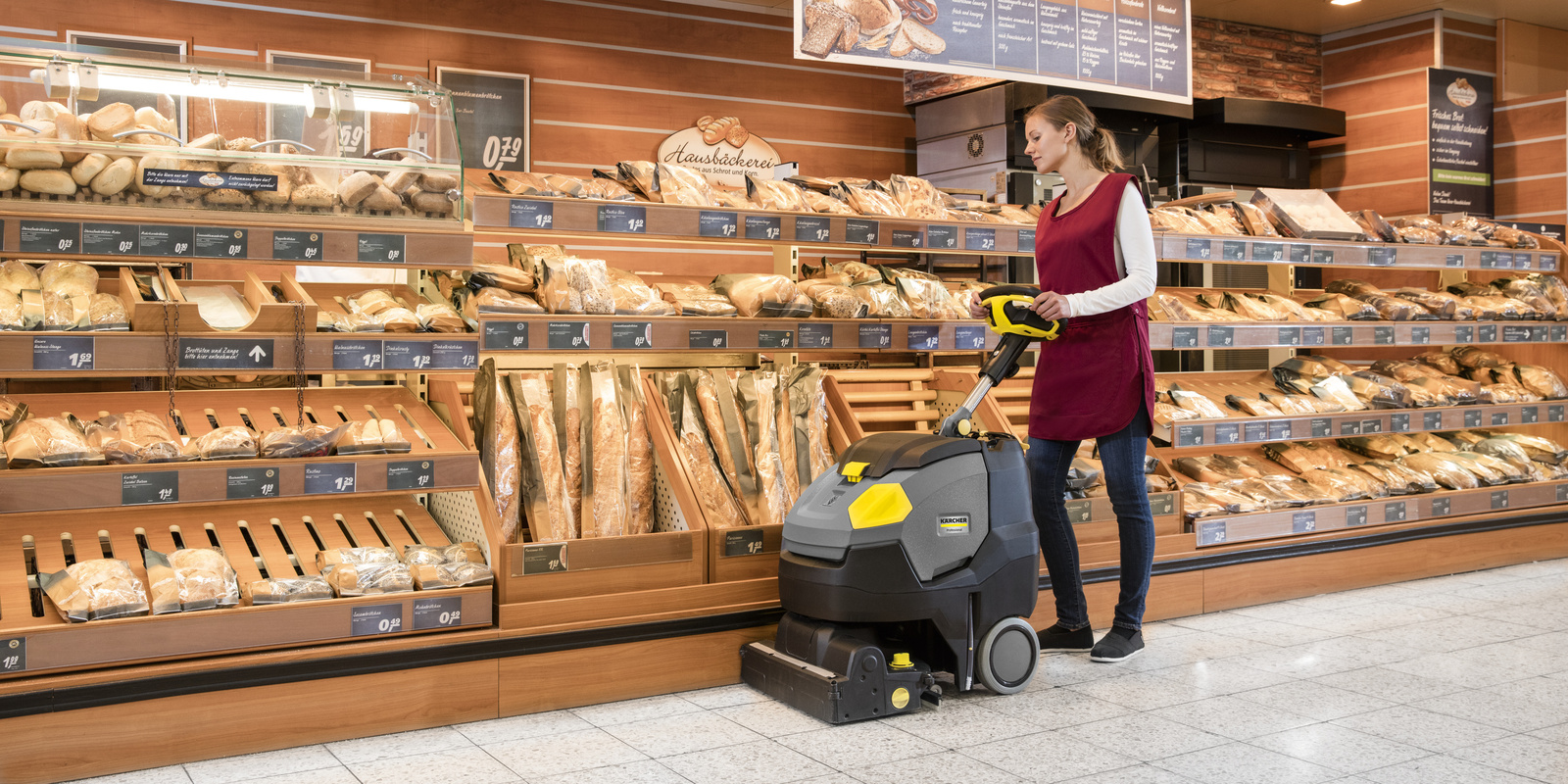
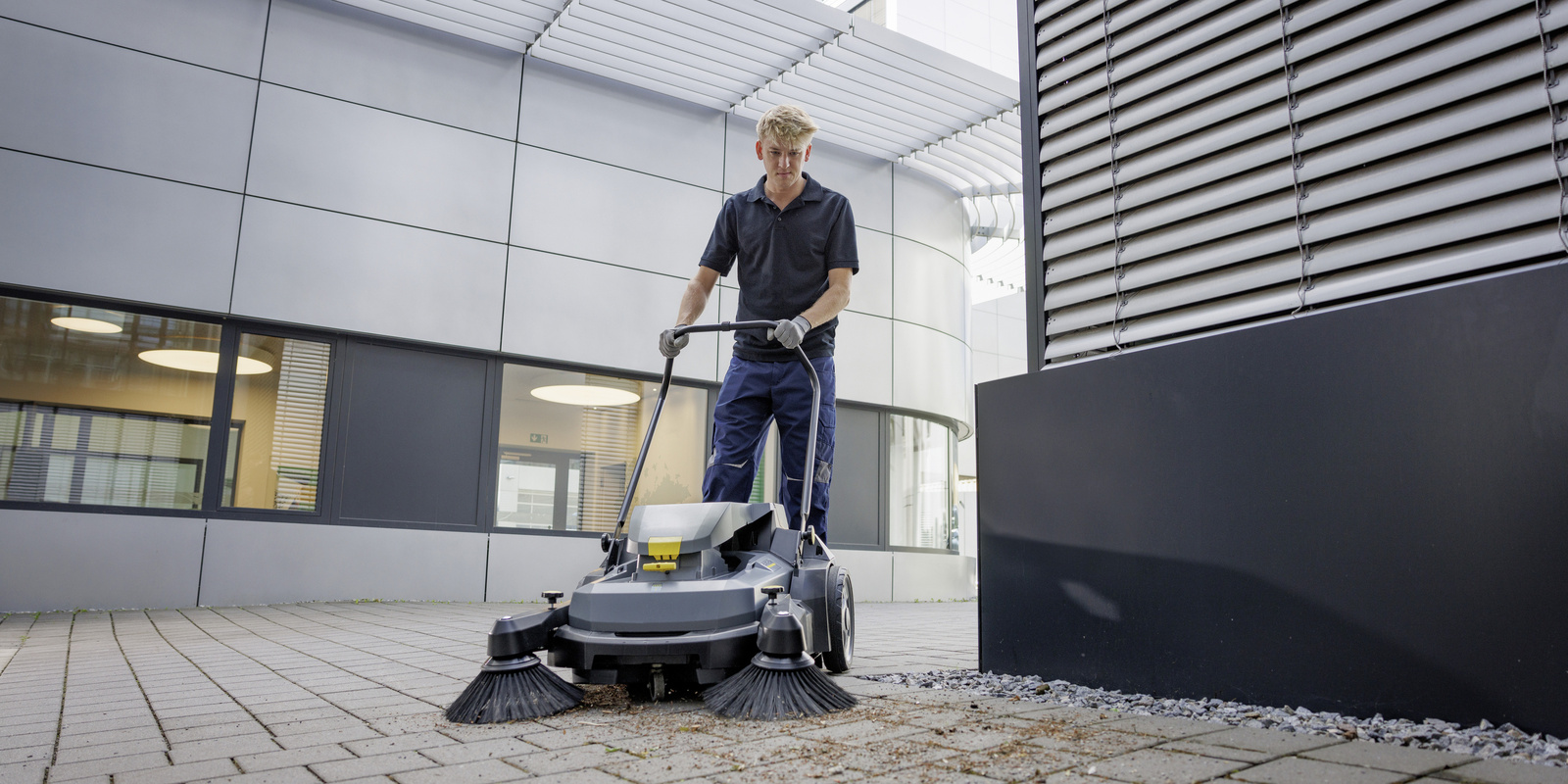

Recommended Products For Hospitals and Healthcare Facilities
Ensure a healthy and safe environment for patients and staff with Kärcher's commercial cleaning equipment, designed for every area of your healthcare facility. Discover some of our most popular cleaning solutions below.