
Grocery Store Cleaning
From the bakery department oven to the glass surfaces at the deli and the display freezers, cleaning a grocery store is a varied and demanding task. Hygiene is also a key issue on surfaces that come into direct contact with skin and/or food. A consistent cleaning concept is needed to give customers peace of mind and enjoyment when they shop. Choosing the right technology is just as important as keeping an eye on the relevant details.
Download Our FREE Cleaning Solutions Guide For Grocery Stores

Cleaning in Supermarkets
There are many individual cleaning tasks specific to different areas in grocery stores. Technology and expertise are needed to keep every element clean—from the glass surfaces in the entry area to the floors in the produce section, and from the oven in the bakery department to the shelves in the beverage aisle.

Cleaning Floor Coverings
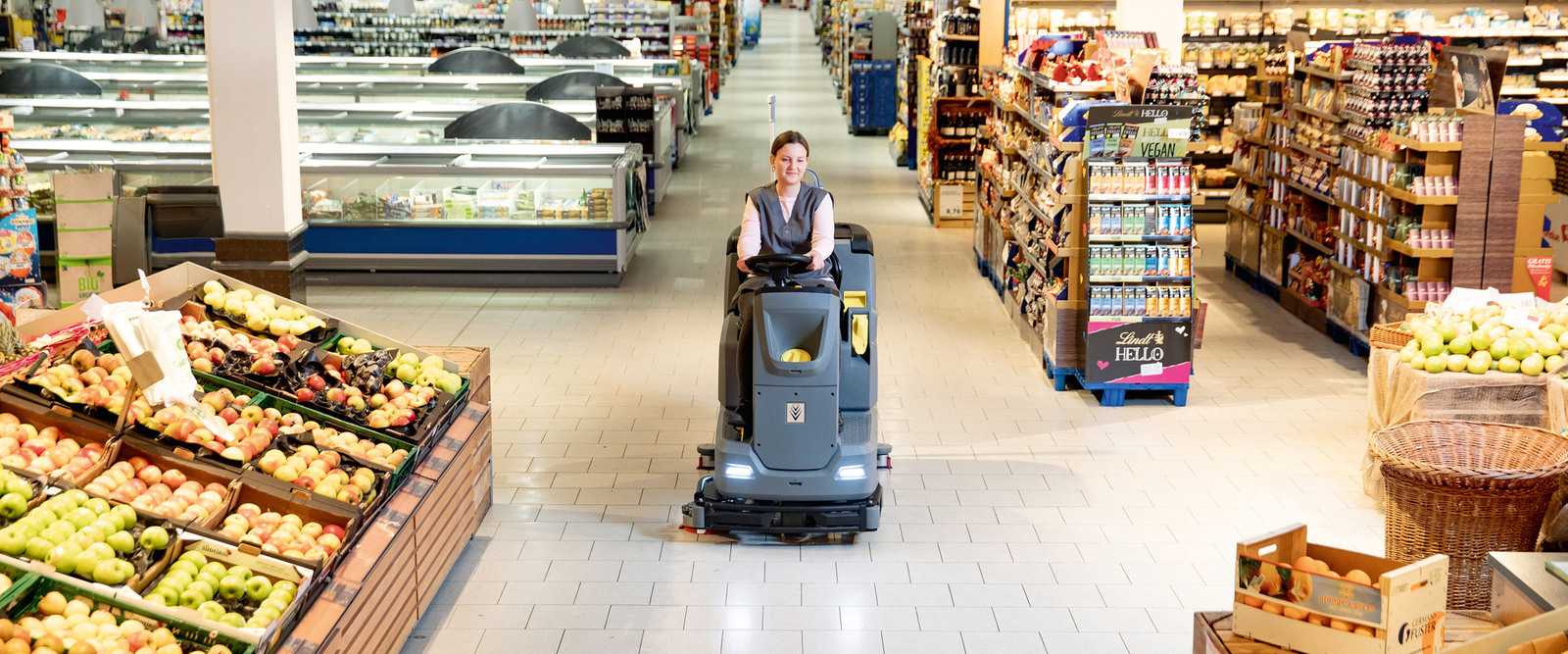
Whether it’s an urgent spill on aisle five or routine maintenance in the entryway, Kärcher provides high-performance floor care solutions designed for the demands of the grocery industry. While some zones require clinical-level hygiene and others focus on aesthetics, all benefit from proper care. Consistent maintenance cleaning extends the service life of your flooring and significantly reduces the frequency of labor-intensive deep cleaning, protecting your long-term investment.
On a Roll with Cleanliness: Shopping Carts and Cart Corrals
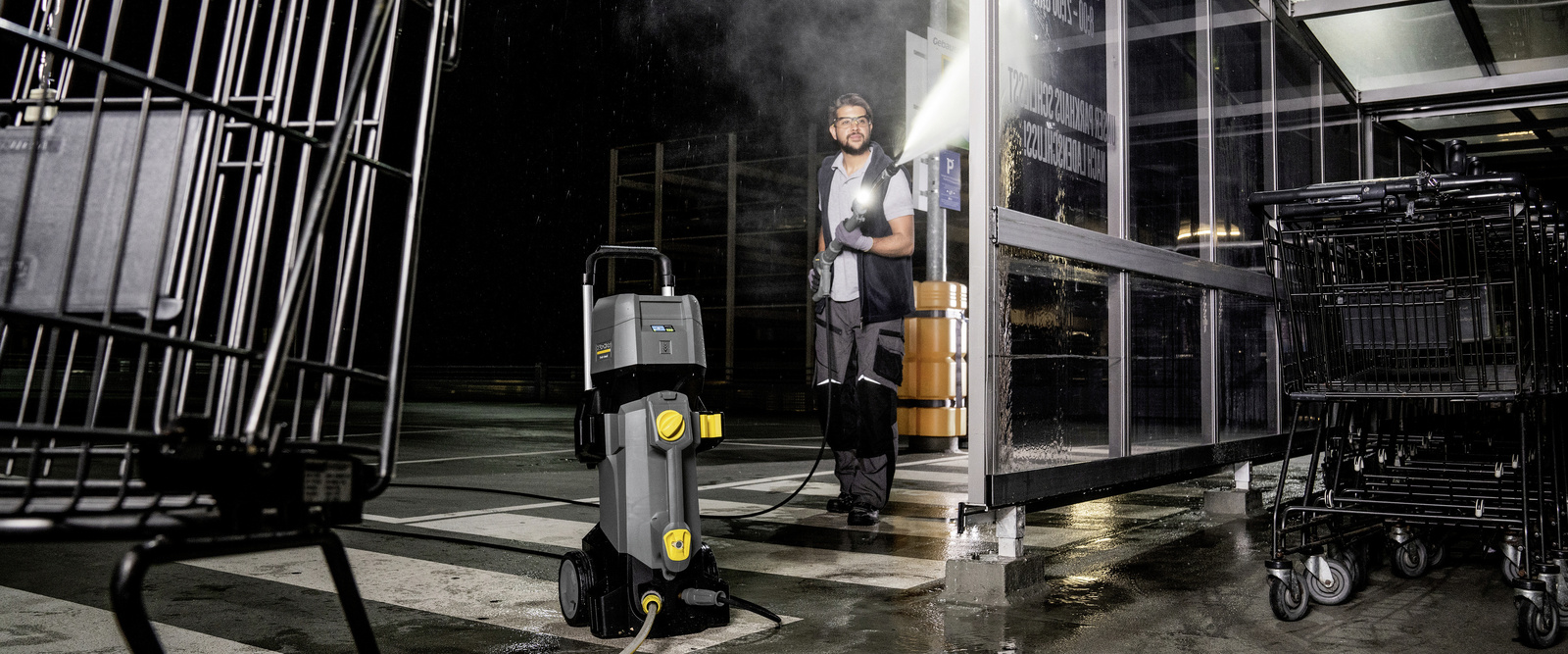
Beverage cans, shopping lists, and more: the space in and around shopping cart corrals is usually anything but immaculate. Floor sweepers with an easy-to-open coarse-debris flap are a great, user-friendly option for removing trash and debris from this area. They can even clear larger items effortlessly. Hot water pressure washers are an excellent solution for removing loose dirt and stubborn grime, such as sticky food residue, from the carts themselves.
Tracked In: Reducing the Dirt Brought Inside
In the entryway, walk-off mats and floor grates are effective solutions to reduce the amount of dirt entering the grocery store. For interim cleaning, we recommend upright vacuums with a roller brush, which are also available in cordless, battery-powered models. In wet weather and for floor grates in general, a wet dry vacuum should be used. Walk-off mats can be deep-cleaned with a pressure washer, but even with the best care, mats must be replaced periodically.
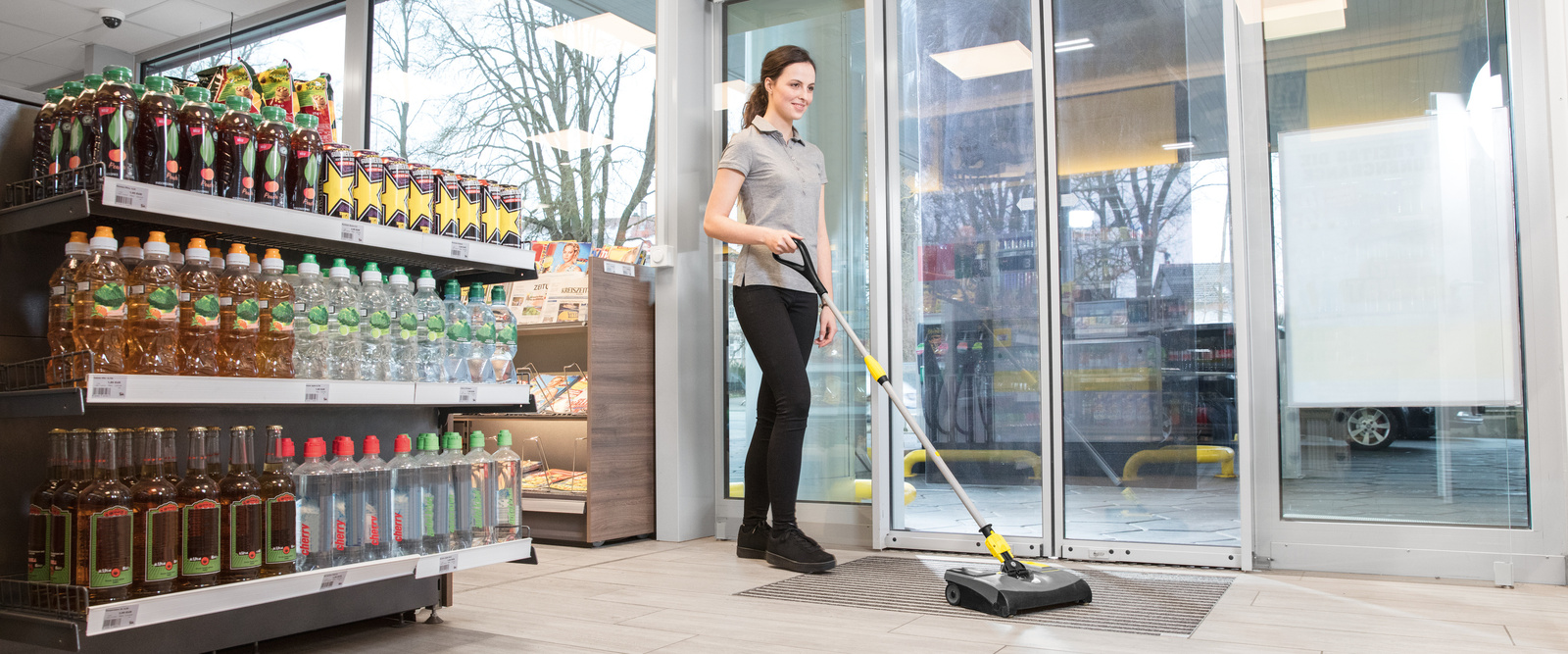
Tip 1 – Roller Scrubbing Head:
Floor scrubbers with a roller scrubbing head also pick up coarse debris.
Tip 2 – Disinfectant Wipe Dispensers:
If a disinfectant wipe dispenser is provided, customers can wipe down the handle of the shopping cart.
Tip 3 – Walk-Off Mats
Walk-off mats should be long enough to accommodate several steps so that they can reliably trap dirt from customers' shoes and the wheels of the shopping carts.
Sparkling Clean: Glass Surfaces in the Entrance Area
A grocery store's entryway should be light, bright, and inviting so that customers feel a warm welcome from the very first moment and are put in a shopping mood. For this reason, this area is often fitted with extensive glass surfaces; however, these only make a good impression when they are clean. Smudges and fingerprints are best removed with a glass cleaner and a microfiber cloth. A window washer with a squeegee or a commercial window vacuum efficiently achieves an even cleaning result, even on large surfaces. These tools are not only practical and easy to use but also enhance safety, because the dirty water is vacuumed straight back up, leaving no water drips on the floor to create a slip hazard.
Produce Section: Floor Cleaning
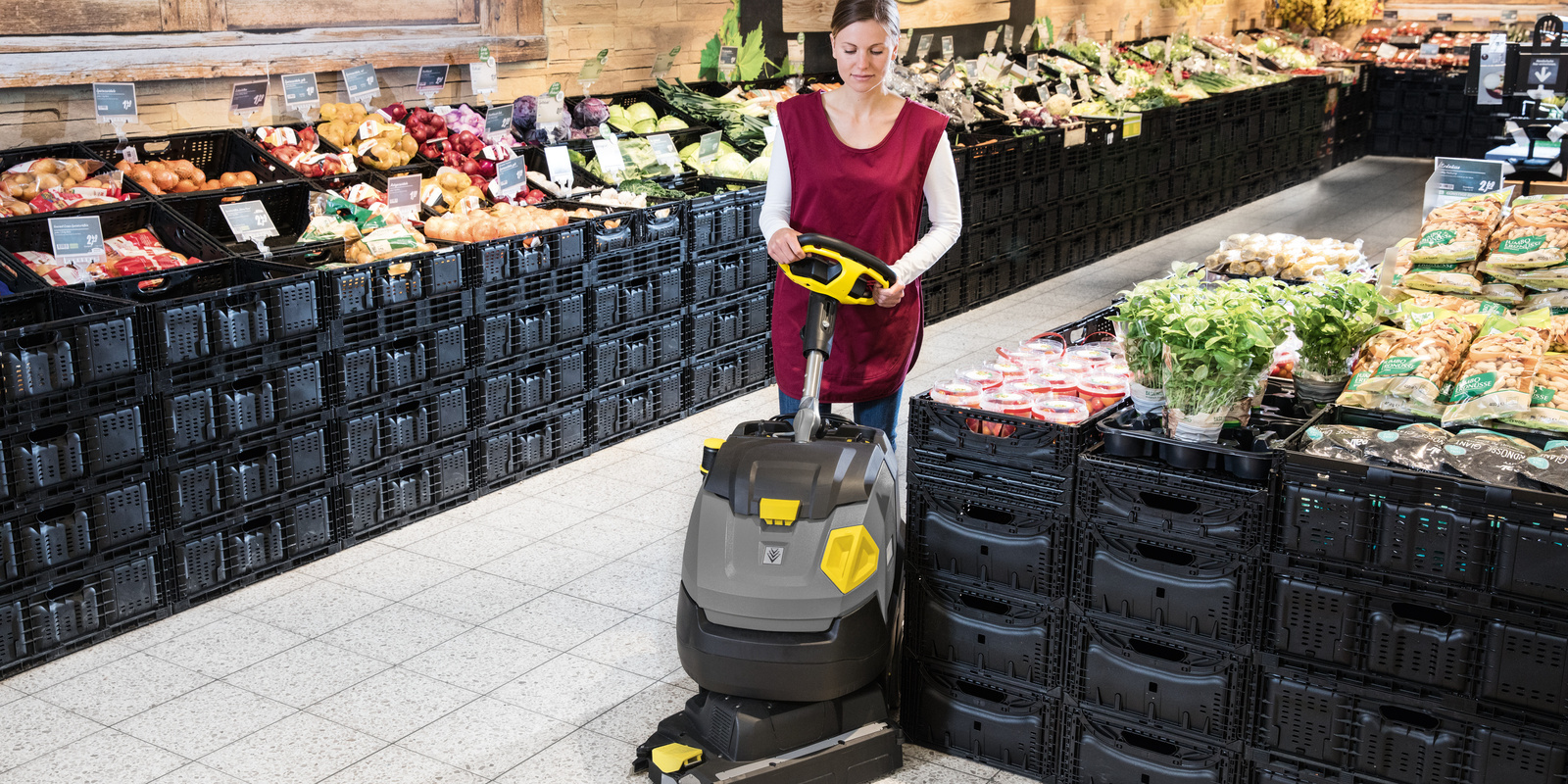
In many grocery stores, the produce section is located just past the entrance. There, resilient, finely textured floors with a wood-look finish often create an appealing atmosphere. The disadvantage when cleaning is that dirt gets stuck in the texture very easily, which is particularly problematic when fruit falls to the floor and becomes tracked across the surface and sticky. To keep the area clean, loose dirt should initially be swept up. Floor scrubbers with a roller scrubbing head are the tool of choice for the more thorough clean that follows. Fitted with soft roller brushes, dirt can be removed effortlessly even from fine textures and uneven surfaces. Thanks to the suction feature, the floor dries out right away and can be walked on again immediately after cleaning.
Bakery and Bread Display: Kick Crumbs to the Curb
Many grocery stores offer their customers bread and other baked goods from their own bakery department. In addition to the ovens, the displays for rolls and pastries must be cleared of crumbs frequently throughout the day. A small dry vacuum or wet dry vacuum is a quick and convenient solution.
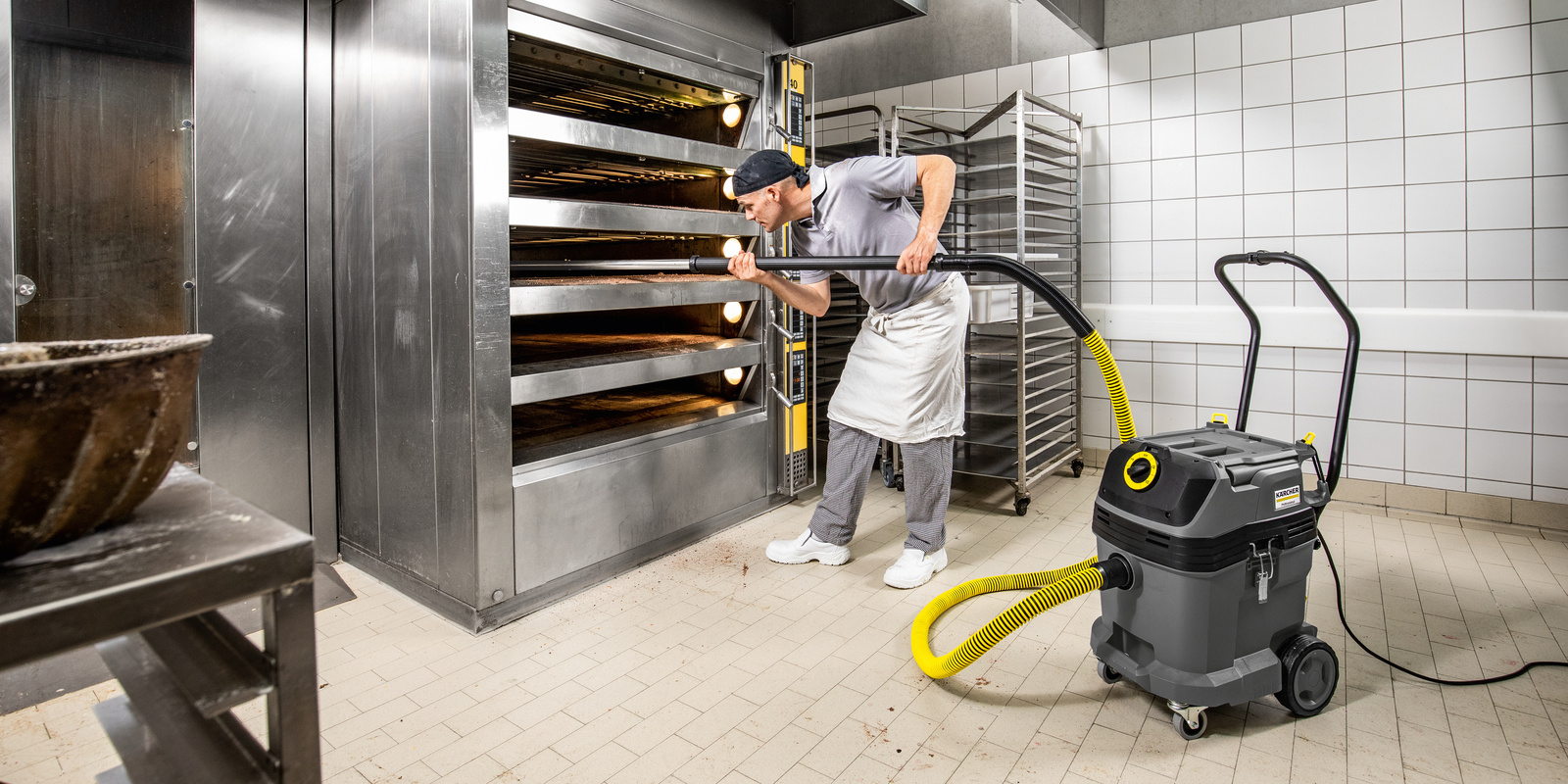
Bakery vacuums—with their heat-resistant suction hoses and oven nozzles—are the ideal solution for cleaning hot ovens in grocery store bakeries. They can be used to scrape out and vacuum up residue between batches.
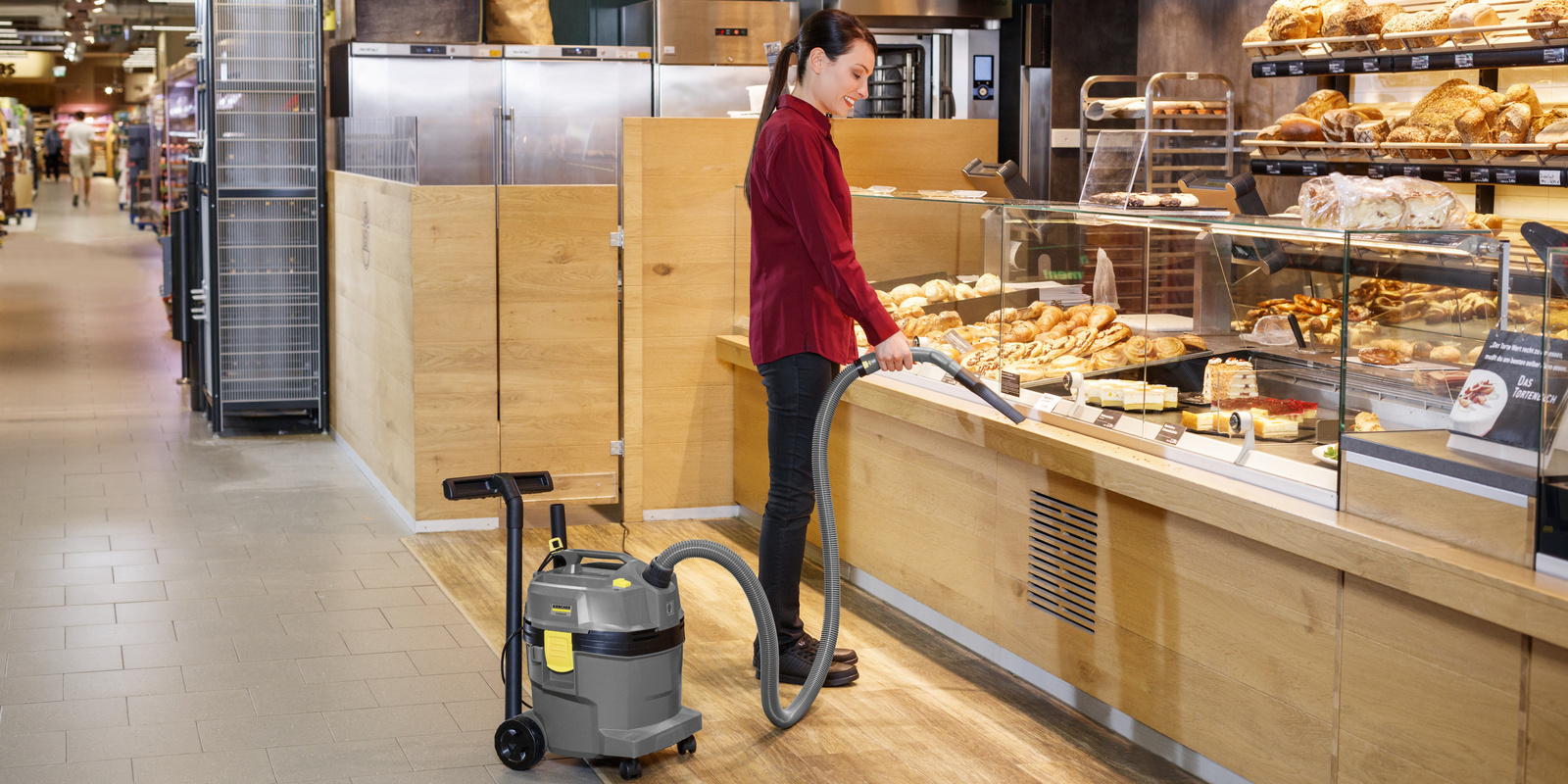
Tip 1 – Keep a Vacuum in the Drawers:
To ensure the vacuum is quickly at hand, it can be stored in the drawers under the product displays, which serve as crumb trays. This saves time and prevents employees from having to make unnecessary trips to the janitor's closet.
Tip 2 – Quick Floor Cleaning:
If there is an in-store café, the floors can be cleaned quickly and efficiently with a compact floor scrubber or a mop with pretreated mop covers.
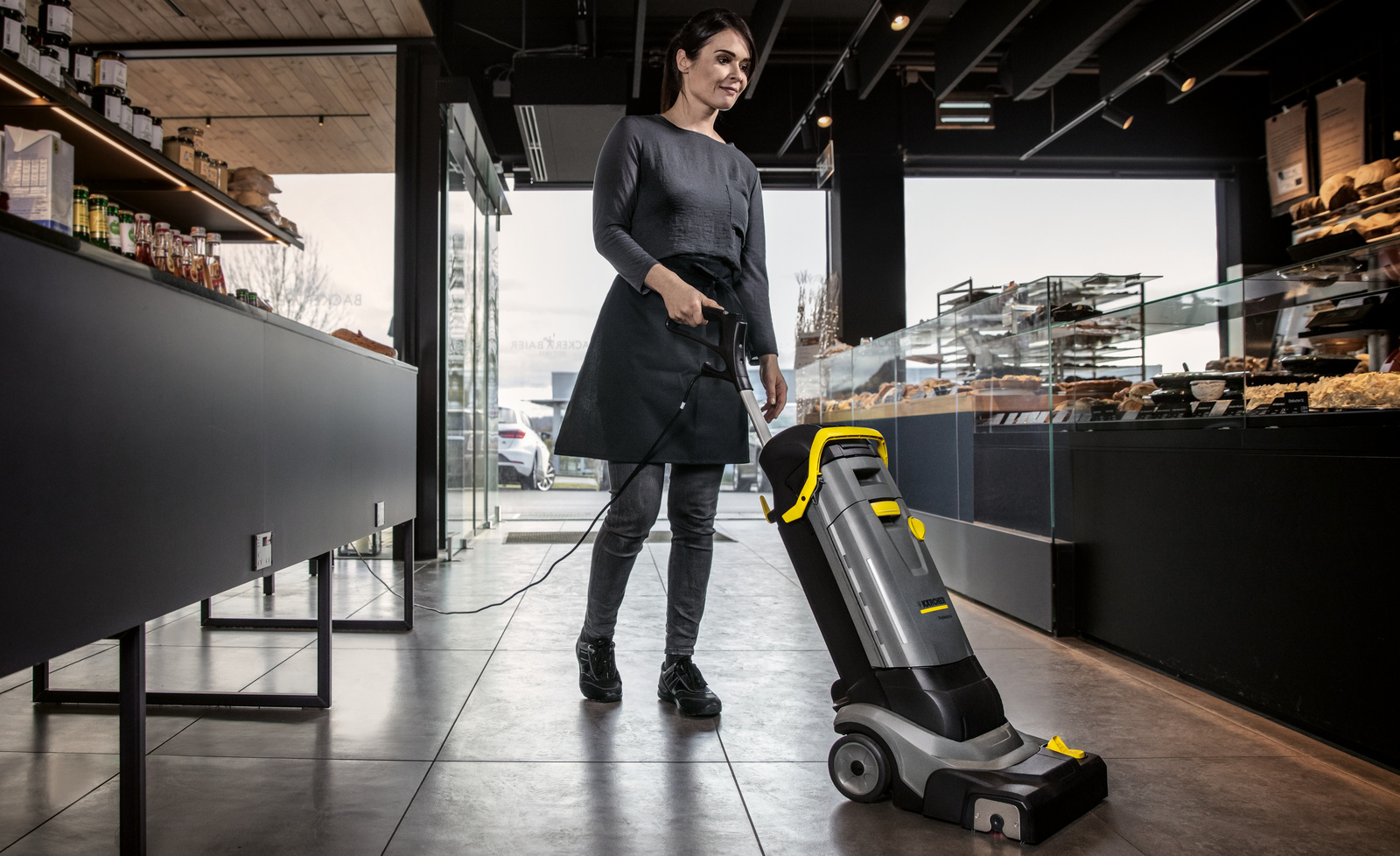
Bakery Cleaning
Strict standards of cleanliness and hygiene apply wherever food is processed and sold—including in bakeries and their sales floors. Professional and efficient cleaning not only ensures consumer safety but also creates a positive overall impression, preserving value and building brand confidence. However, there are specific tasks that require the right technique and approach.
Take Care in the Beverage Aisle: Goodbye Broken Glass and Puddles
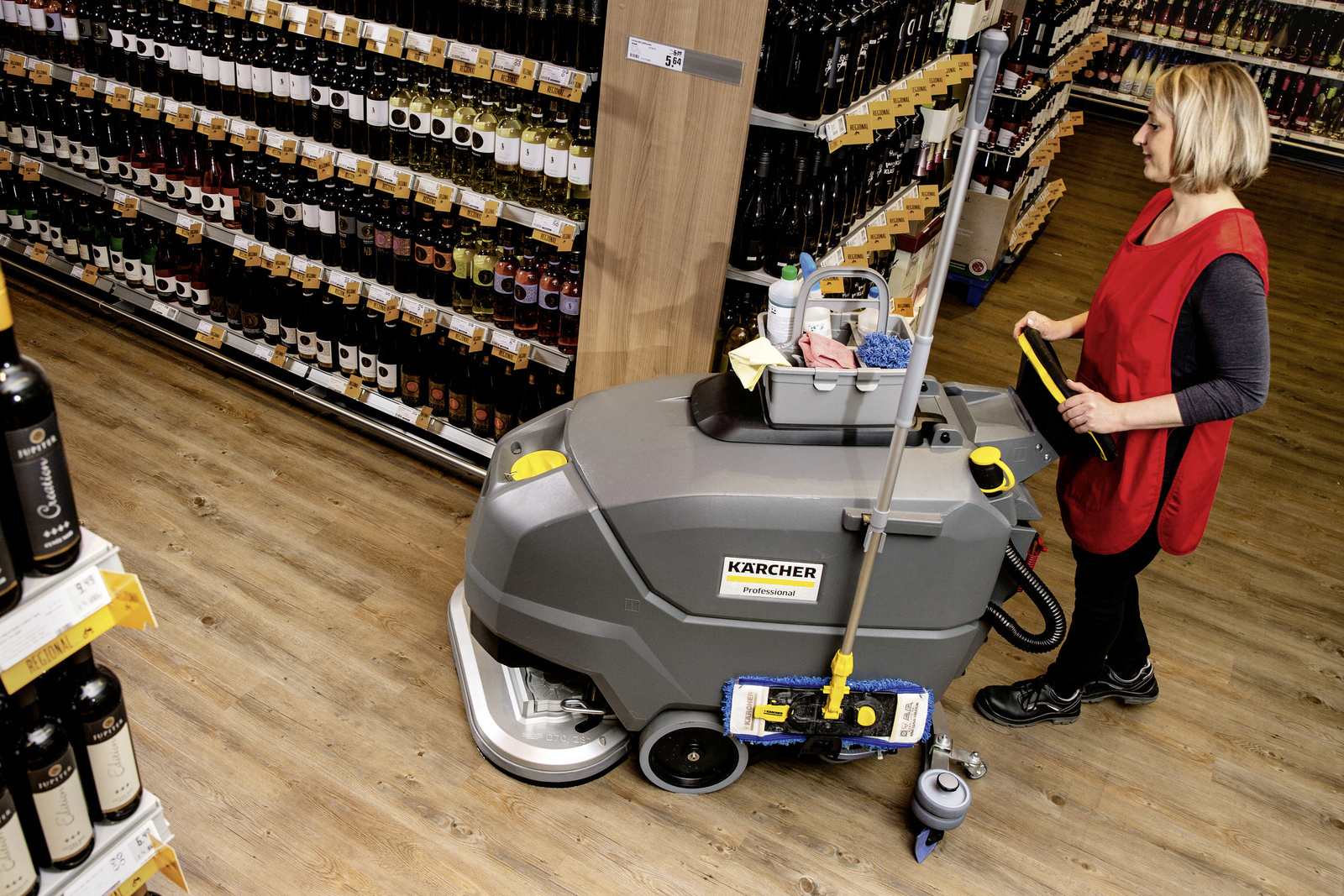
Many grocery stores stock a wide selection of bottled water, soft drinks, or alcoholic beverages. Spills caused by broken glass bottles must be removed immediately to avoid the risk of injury and prevent the buildup of beverage residue. First, remove any large shards of glass manually using a dustpan and hand broom. The employee must wear suitable gloves to avoid injury while doing this. A bagless wet dry vacuum can then be used to pick up the remaining fragments. The remaining moisture can then be removed using a mop with a microfiber mop head or a floor scrubber.
Cleaning Hotspot: At and Around the Bottle Return Machine
In grocery stores that provide facilities to return used beverage bottles, particular care should be taken to inspect the floor regularly throughout the day. To prevent the floor surface from becoming sticky, beverage residue should be removed with a floor scrubber as needed. The floor underneath the machine must also be cleaned manually with a mop. A ready-to-use spray cleaner and a microfiber cloth are the ideal combination for cleaning the outer surfaces of the bottle return machine. Trash cans must also be checked, emptied, and, if necessary, wiped down several times a day.
Tip 1 – Quick-Response Cleaning:
Extra caution is required with floor coverings made of calcareous stone (such as limestone or marble), which is sensitive to the acid in fruit juices and other drinks. To avoid the risk of damage to the material, spills must be cleaned up immediately.
Tip 2 – Clean Hands:
If wet wipes or sanitizing wipes are available, customers can remove sticky residue from their hands after returning their bottles.
Cleaning Aisles and Shelves in the Supermarket
Efficient solutions are needed to keep up with the cleaning workload in the aisles and on the shelves. Particularly sensitive areas can be sanitized using steam cleaners. Disinfection is essential to prevent the spread of germs at critical points, including fresh food counters.
Cleaning Aisles: Floor Scrubber and Flat Mop
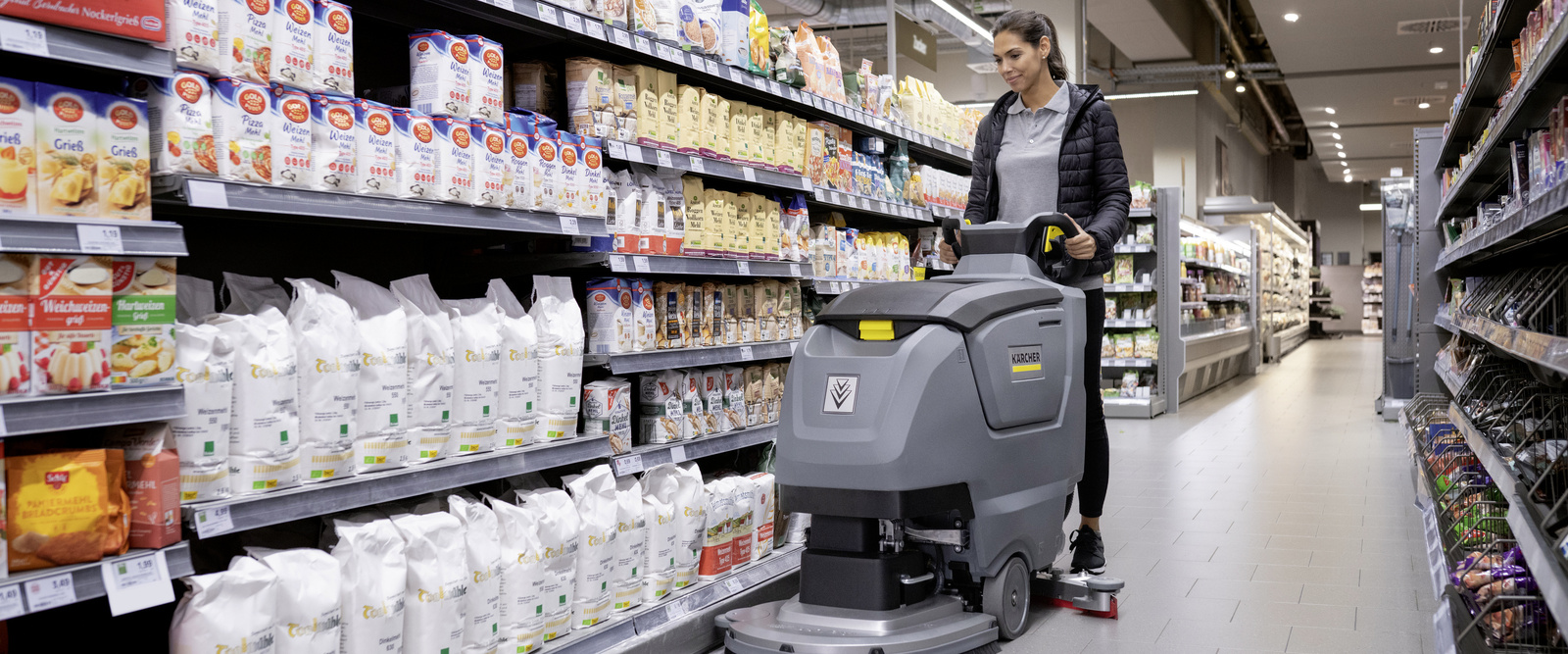
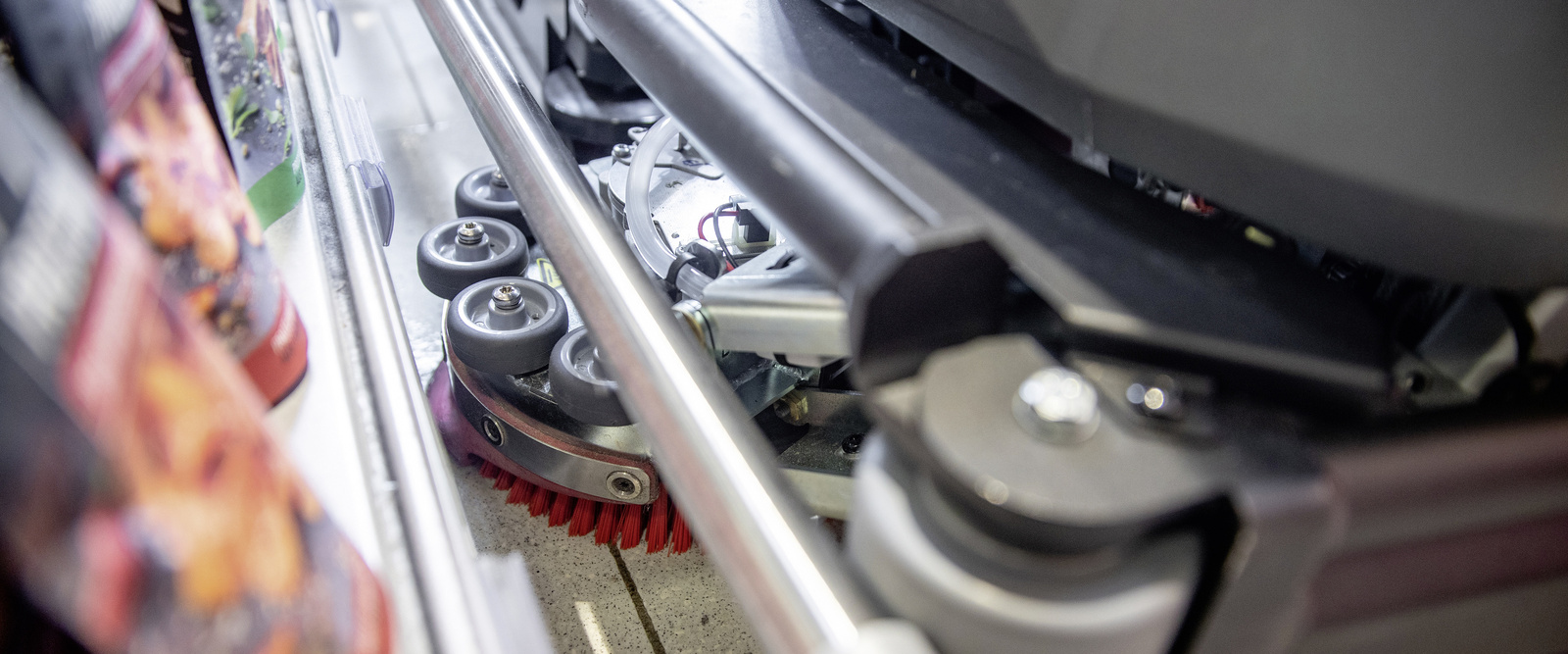
The shelves of grocery stores are restocked several times a day. This leaves dust and fine shreds of cardboard on the floors of the aisles. A flat mop with a dust-attracting cover—available in widths from 24 to 60 inches—removes these quickly and efficiently. For more thorough cleaning, floor scrubbers with disc or roller technology are an effective solution. The scrubbing heads are tailored to modern store-layout concepts and are available for every aisle width. Best of all, these machines can usually be driven right up to the edge of fixtures and shelves without any problems.
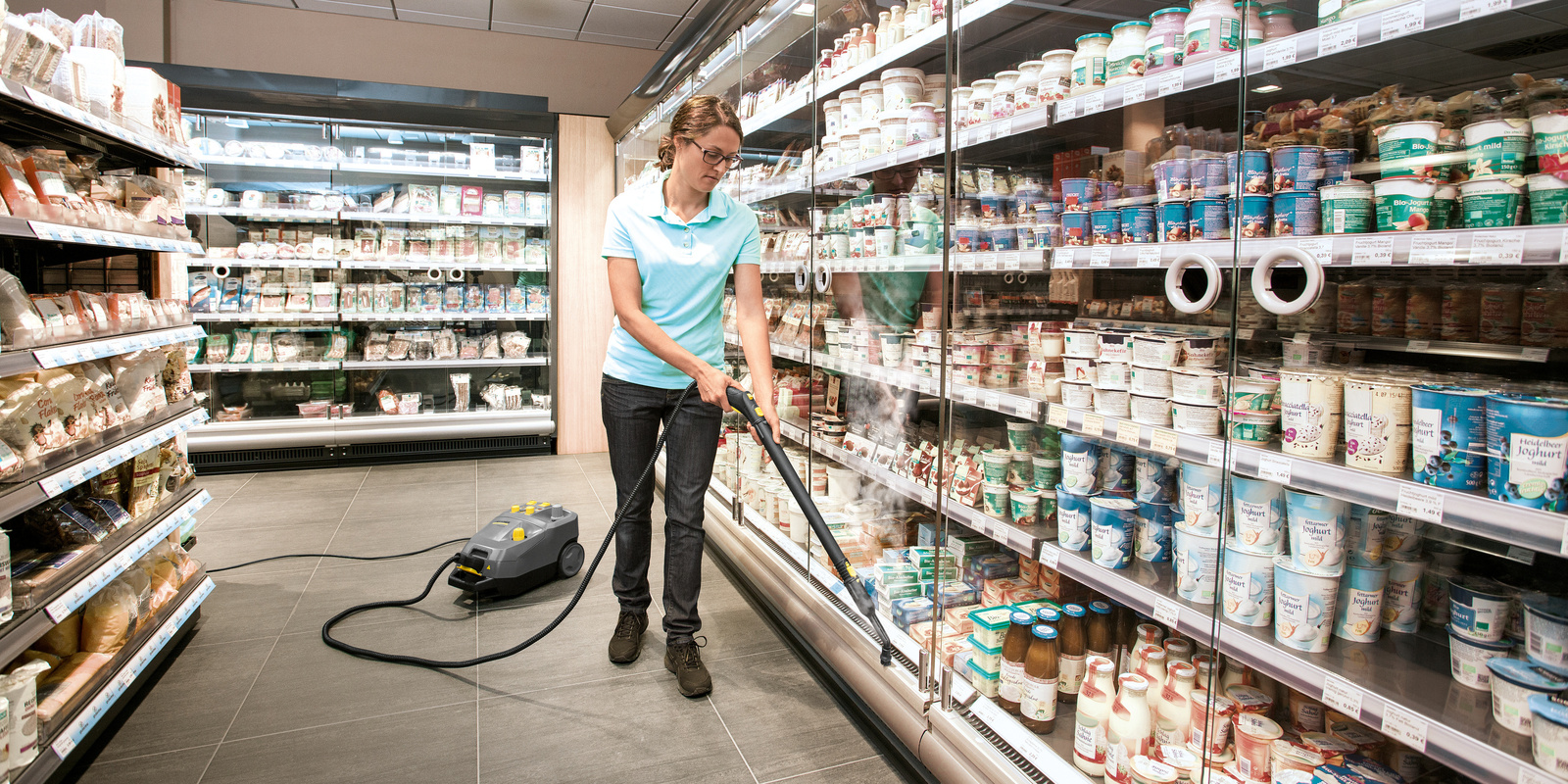
Cleaning Shelves: Wet/Dry Vacuum Cleaners or Manual Methods
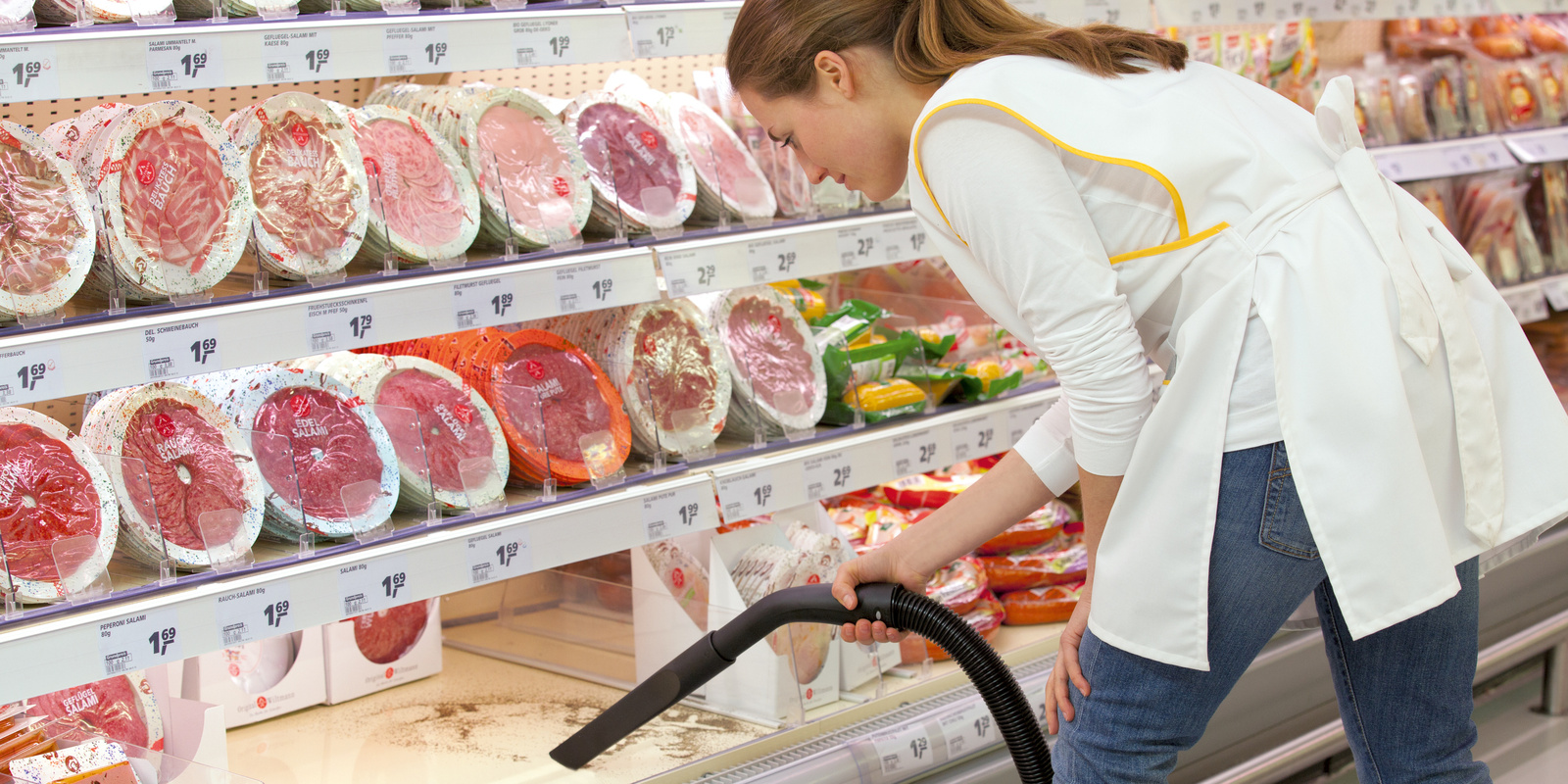
Spilled products or dry food residues are common on supermarket shelves. Wet/dry vacuum cleaners are an effective solution for removing these. The pretreated or spray method is recommended for quick and cost-effective manual cleaning of surfaces. For this, the cleaning team uses twice-folded cloths that are presoaked with the correct amount of detergent. Alternatively, the cleaning solution can be applied using a foam dispenser. Then, each surface is cleaned with a fresh side of the cloth; the cloth is opened up over and over until all sides have been used. It should then be discarded and replaced with a fresh cloth. These methods can also be used quickly and easily during business hours without disturbing customers while they shop.
Full Steam Ahead: Steam Cleaners for Hygienically Clean Results
The high cleaning temperature of steam cleaners and steam vacuums makes them effective and time-saving tools to combat germs or viruses and ensure hygiene. The steam emerges from the nozzle in very fine droplets and, depending on the machine type, at a temperature of around 212°F and a pressure of up to 116 psi. They can reliably and effectively clean the Plexiglass panels at the checkouts, as well as stainless steel doors and handles, glass countertops, doors, and baby-changing stations in the restrooms, and even hard-to-reach nooks and crannies.
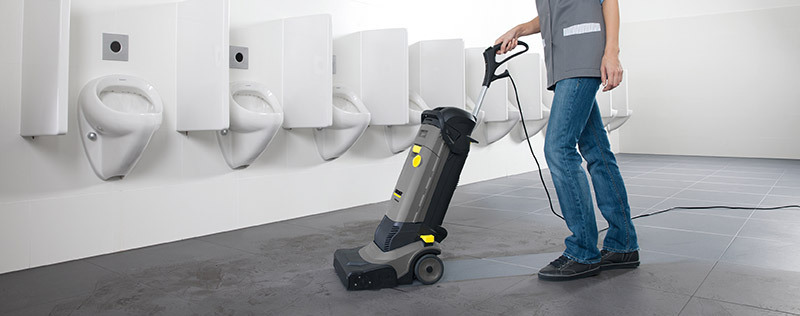
Cleaning Restroom and Changing Rooms
There are many reasons why careful cleaning is required in restroom facilities and washrooms: depending on the setting, toilets, showers, and changing rooms in office buildings, production facilities, hotels, restaurants, gyms, sports arenas, or shopping centers are used by many people. This inevitably leads to people's skin coming into contact with various surfaces that have been touched by practically all users of the facilities—including door handles, faucets, or toilet flush buttons. Consequently, microorganisms can pass from one person to the next. This must be prevented by means of defined cleaning sequences.
Disinfection at High-Touch Points: Germs Don't Stand a Chance
In grocery stores, there are countless high-touch surfaces: the keypad or touchscreen of the self-service scales in the produce section, for example, the glass displays of the fresh food counters, or the credit card reader at the checkout. These surfaces should be regularly disinfected to prevent the transfer of germs. However, any protein-based dirt, grease, or food residue must be removed by hand before using disinfectants. Why? If there is still protein contamination on the surface, the disinfectant concentrates on that instead of inactivating viruses. Due to this so-called "protein error," the efficacy of the disinfectant is no longer guaranteed. Once the surface has been cleaned, disinfectant should be distributed evenly so that the surface is completely wet.
Hygiene Takes Top Priority: The Fresh Food Counter
Wherever food is involved, hygiene and cleanliness are the top priorities. This is the only way to comply with the strict requirements of local or international guidelines, such as HACCP (Hazard Analysis Critical Control Points), without issue. Store managers are required to document cleaning in accordance with the specified cleaning and disinfection plan. However, it is difficult to make a general recommendation for cleaning all surfaces, as the critical points can vary.
In any case, it is important to ensure that the disinfectant is rinsed off with potable water after the contact time. The floor area behind the counter is cramped and usually laid with textured tiles. A compact floor scrubber is well-suited for this. The two-step method is ideal for deep cleaning: first, a grease-dissolving detergent is applied to the floor together with water; then, in the second step, the floor is scrubbed after the specified contact time and the dirty water is vacuumed up.
Tip 1 – Rinse Surfaces:
For surfaces that come into direct contact with food, disinfectant residue must be rinsed off with potable water after the specified contact time.
Tip 2 – Check Glass Surfaces:
For a professional appearance, glass surfaces should be checked for fingerprints throughout the day. A microfiber cloth, stored with a ready-to-use glass cleaner, is a quick and easy option for removing unsightly smudges.
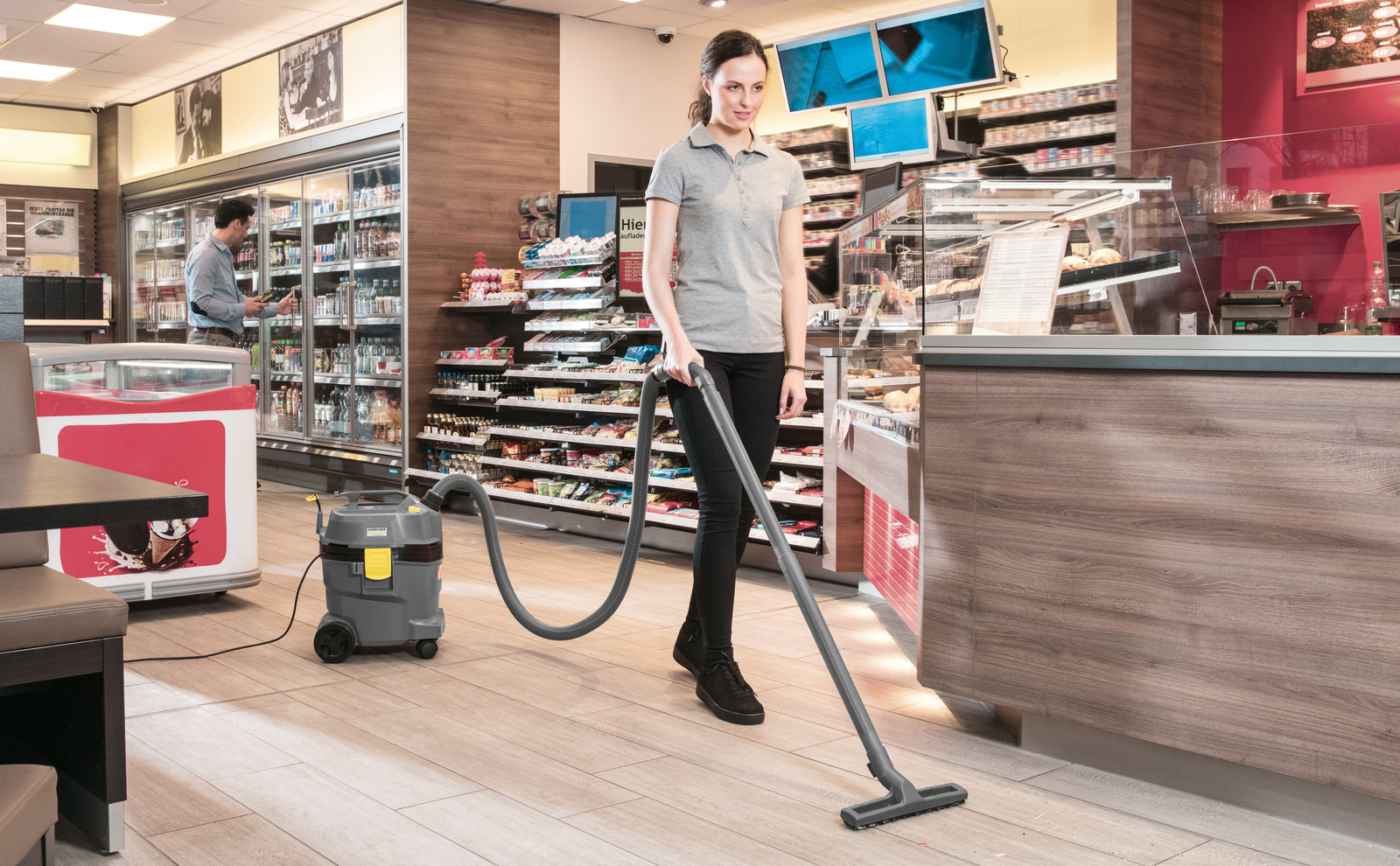
Cleaning Convenience Stores
Healthy eating for a healthy life – more and more people are seeing the importance of what's on their plates. Whether using fresh products from a farm shop to make dinner or grabbing a quick lunchtime snack on the go from a kiosk, one thing is vital – there must be scrupulous hygiene standards. Cleanliness and hygiene in sales rooms are fundamental to this. Thorough cleaning is therefore mandatory.
Special Requirements for Cleaning in Grocery Stores
There are areas in grocery stores that place very specific demands on the cleaning team—the walk-in coolers and freezers, for example. There is specialized technology for escalators and moving walkways, not to mention an amazingly simple technique for their handrails.
Give Dirt the Cold Shoulder: The Walk-In Cooler
A grocery store’s walk-in cooler should also be given a thorough clean on a regular basis. Pretreated cloths or microfiber mops with good abrasive properties are well-suited for maintenance cleaning while the cooler is in operation. A small floor scrubber is a suitable aid for cleaning the floor. During cleaning, the door of the walk-in should remain closed so as not to reduce the cooling performance.
Important: The walk-in cooler must be sufficiently ventilated, and cleaning employees must wear suitable personal protective equipment (PPE). If a deep cleaning is scheduled, the refrigeration system is switched off and the food is transferred to another refrigeration unit in advance. With temperatures above freezing, floor scrubbers coupled with the right detergent remove dirt efficiently. Surface cleaners, ideally with suction, are a good addition as well. At temperatures above 32°F, steam cleaners are an efficient solution for hard-to-reach areas such as the rubber seals on doors.
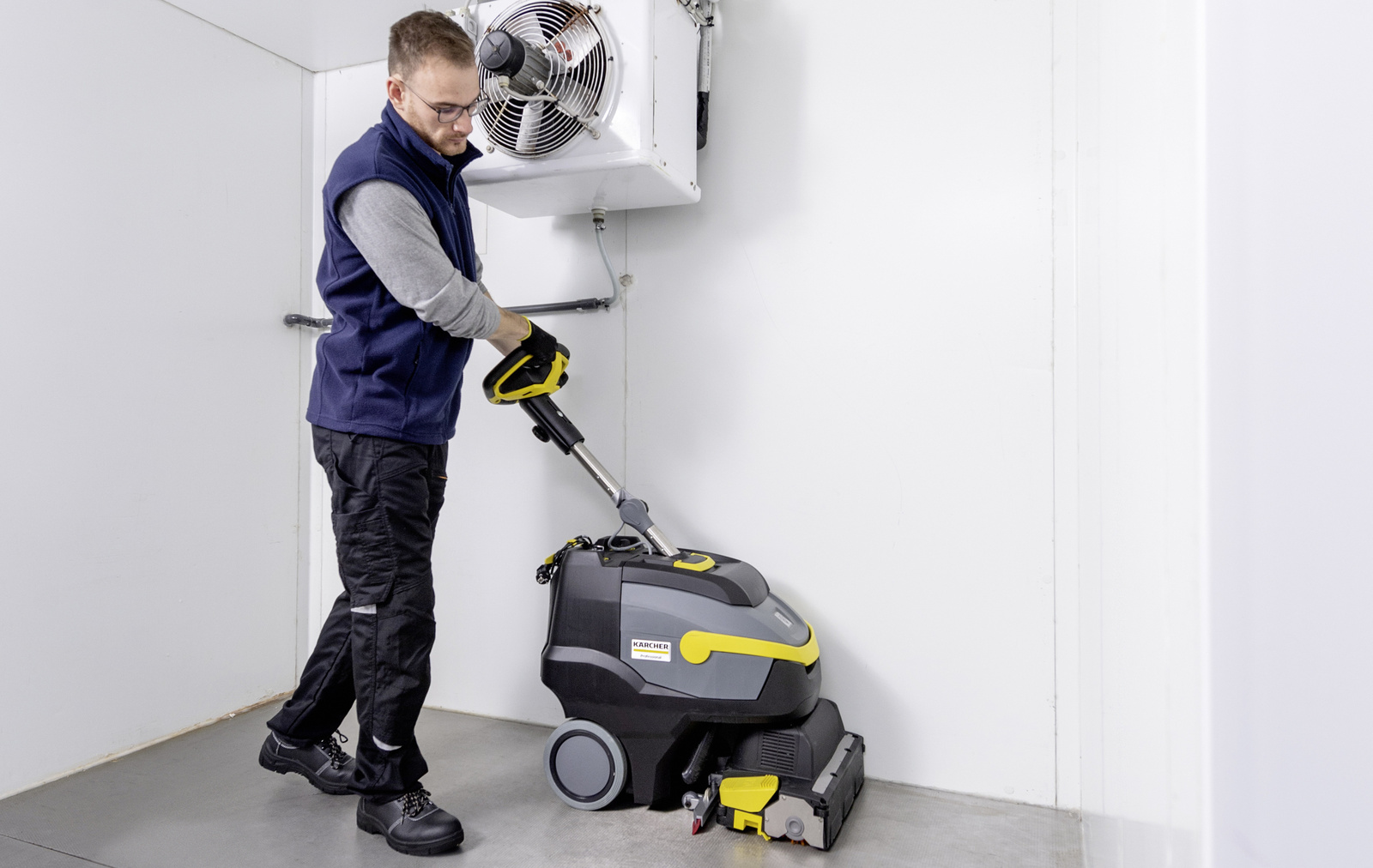
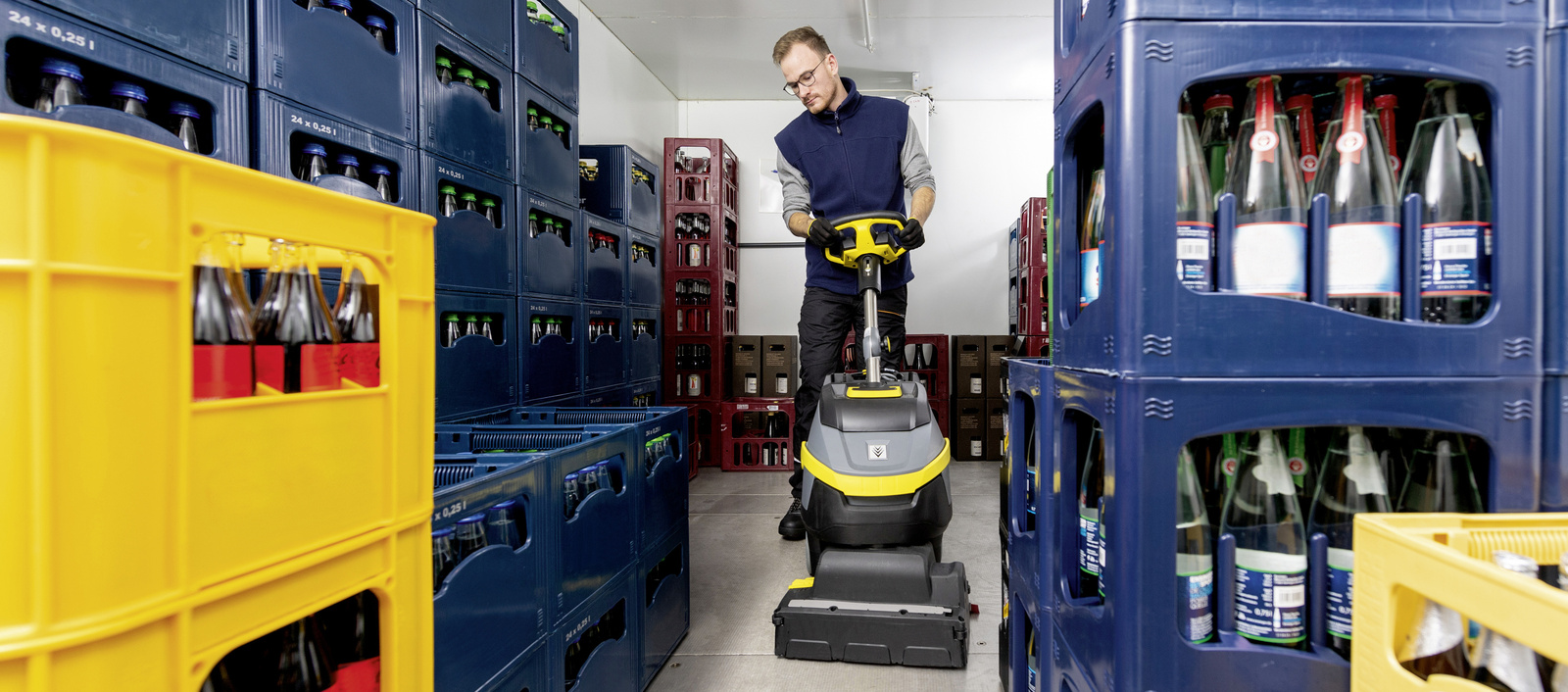
Cleaning Walk-In Coolers
Low temperatures, high importance: walk-in coolers can be found in numerous facilities—and where they are found, they are generally integral to operations. In hotels and restaurants, industrial production plants, or grocery stores, walk-ins provide the correct conditions for storing perishable and temperature-sensitive goods. For the cooler to function perfectly, it requires specialized professional cleaning that reflects these unique conditions.
Defrost, Vacuum, Wipe: The Freezers
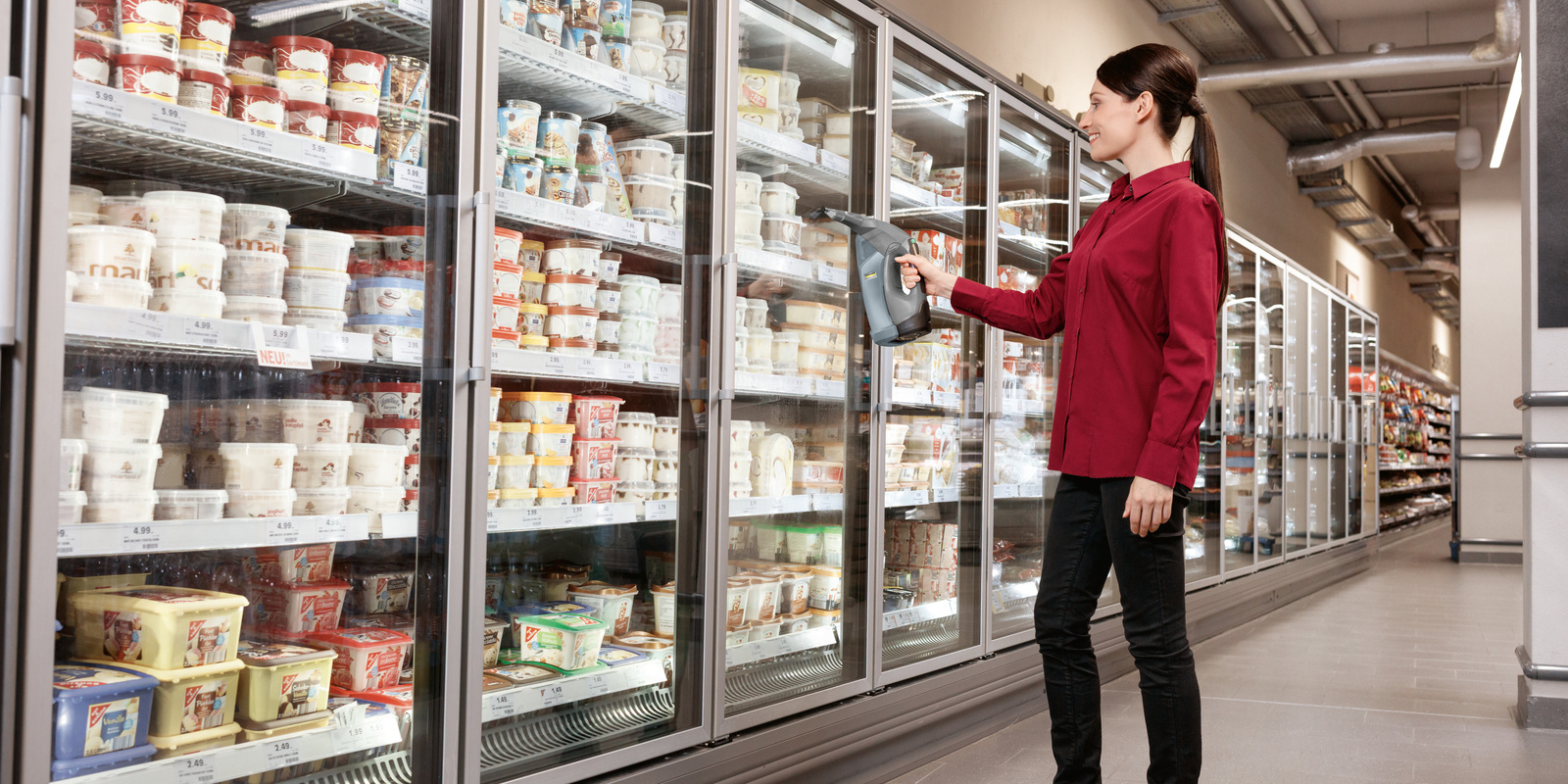
The display freezers in grocery stores should also be cleaned regularly. Before these units are defrosted, all products must be moved to walk-in coolers so that the cold chain is not interrupted. To clear up the water produced by the defrosting process, we recommend using a floor scrubber with a suction hose attached instead of the squeegee hose. This can also be used to clean up leaks when they arise. To remove any residual water and dirt as ergonomically as possible, a mop with a handle and microfiber mop head is a user-friendly tool. Seals, hinges, and other components should be given a thorough clean at this point as well. A ready-to-use glass cleaner with a microfiber cloth and a window vacuum or surface vacuum can be used for glass surfaces. The advantage is that the surfaces are immediately dry afterward. Finally, any necessary disinfection measures can be taken. The refrigeration system is then switched back on and the merchandise is put back in the freezers.
Effortless Movement, Effortless Cleaning: Moving Walkways and Escalators
To clean escalators and moving walkways, specialized machines are needed that do not apply too much water, protecting sensitive electronic components from damage. Escalator cleaners have combs and brushes on the underside. These are placed on the escalator or moving walkway—while in motion—to remove the dirt. The handrails must not be forgotten either. There is a simple method for cleaning them: pretreated microfiber cloths soaked in disinfectant are held against the handrail as it moves for completely clean results, simply and efficiently.
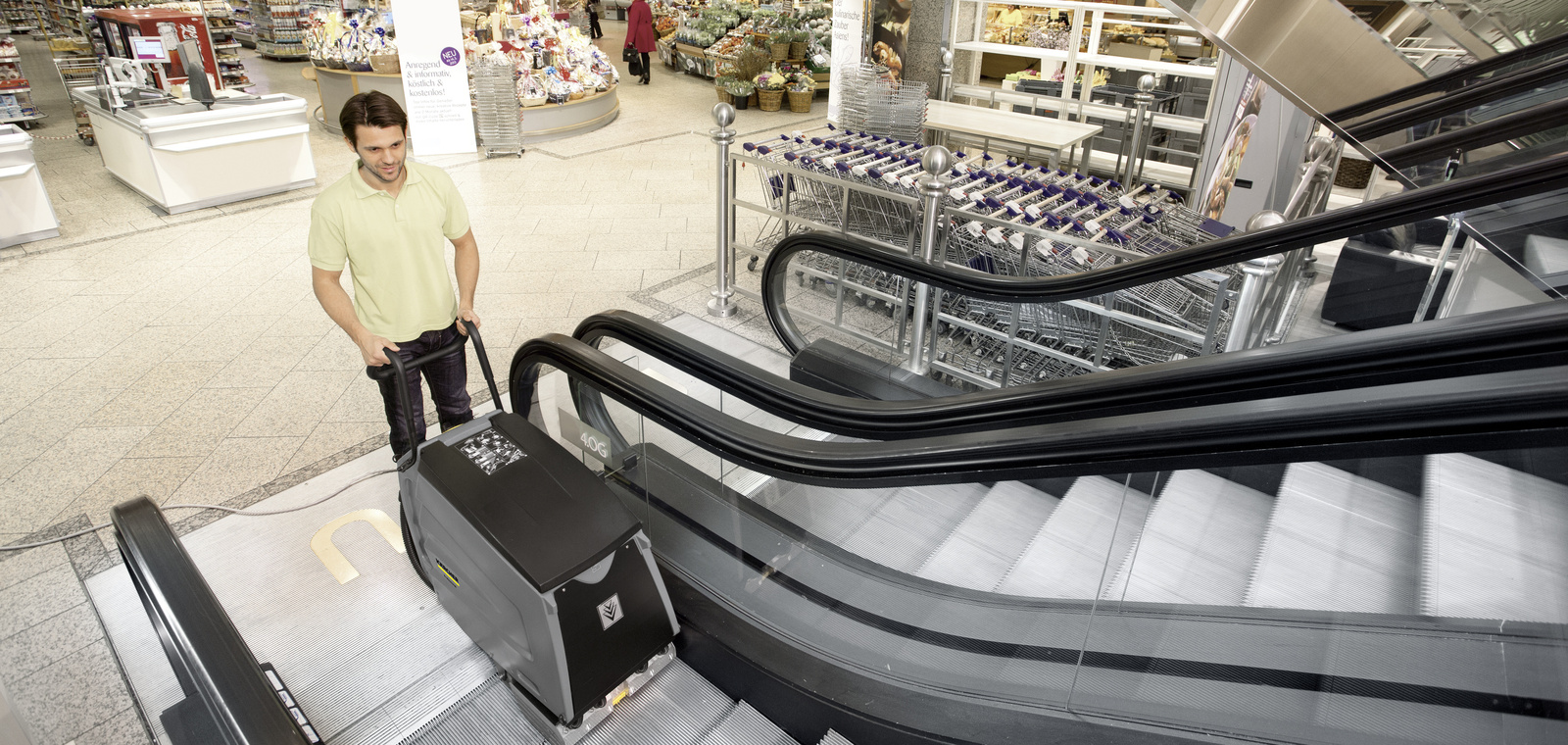
Escalator and Moving Walkway Cleaning
Escalators and moving walkways are a common sight in shopping centers, airports, train stations, and other public buildings. The task of cleaning these is often put on the back burner, but over time stubborn grime builds up, some of which leaves sticky residue. To keep escalators and moving walkways looking as good as new and to give visitors a positive impression, they need to be cleaned regularly. Escalator cleaners are a practical solution that minimize the need for manual work.
Cleaning Outside Spaces at Grocery Stores
Cleanliness begins outside. To keep parking lots, access roads, ramps, and sidewalks clean efficiently, there are various technical tools available to suit the weather. The cart corrals should also be checked regularly.
Clean in All Weathers: Spotlight on Outdoor Facilities
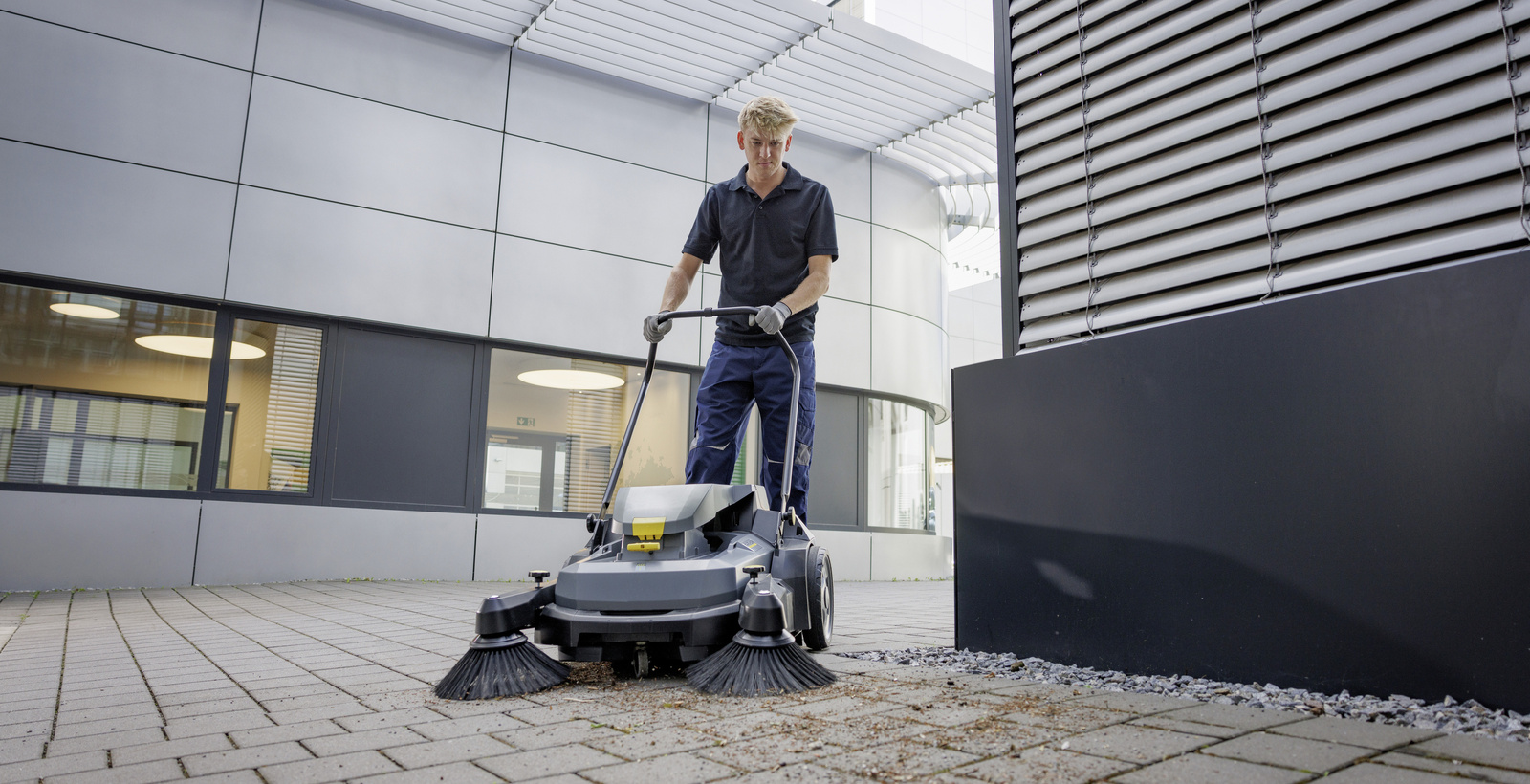
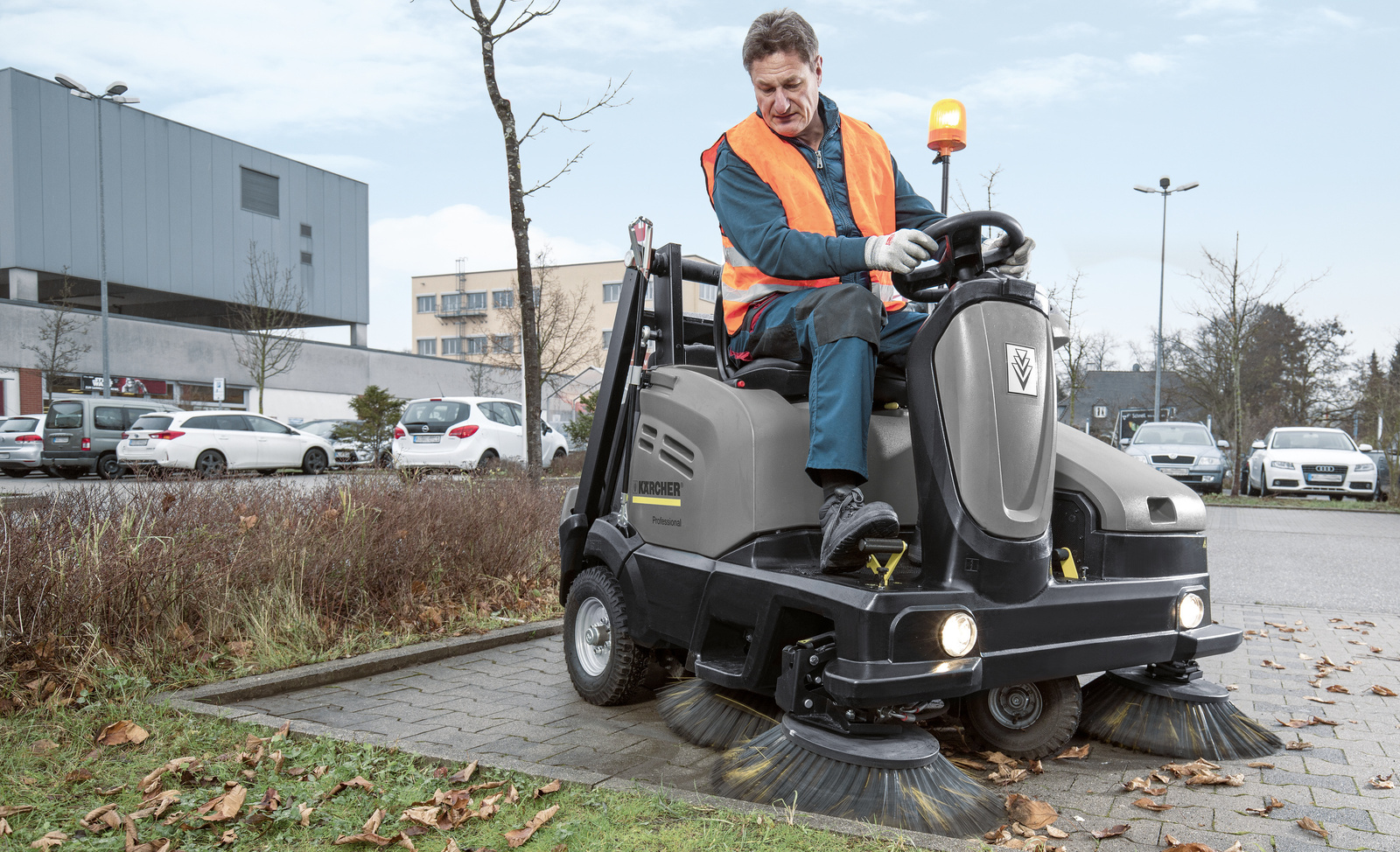
When customers arrive, the outdoor facilities should give them the impression of a well-kept store. This not only improves the shopping experience but also reduces the amount of dirt that gets inside. In most cases, third-party contractors are hired to keep parking lots, access roads, ramps, and sidewalks clean. When the weather is warm and dry, these areas can be cleaned using professional floor sweepers to save time. Walk-behind sweepers or ride-on models are ideal for picking up loose dirt and debris from outdoor surfaces.
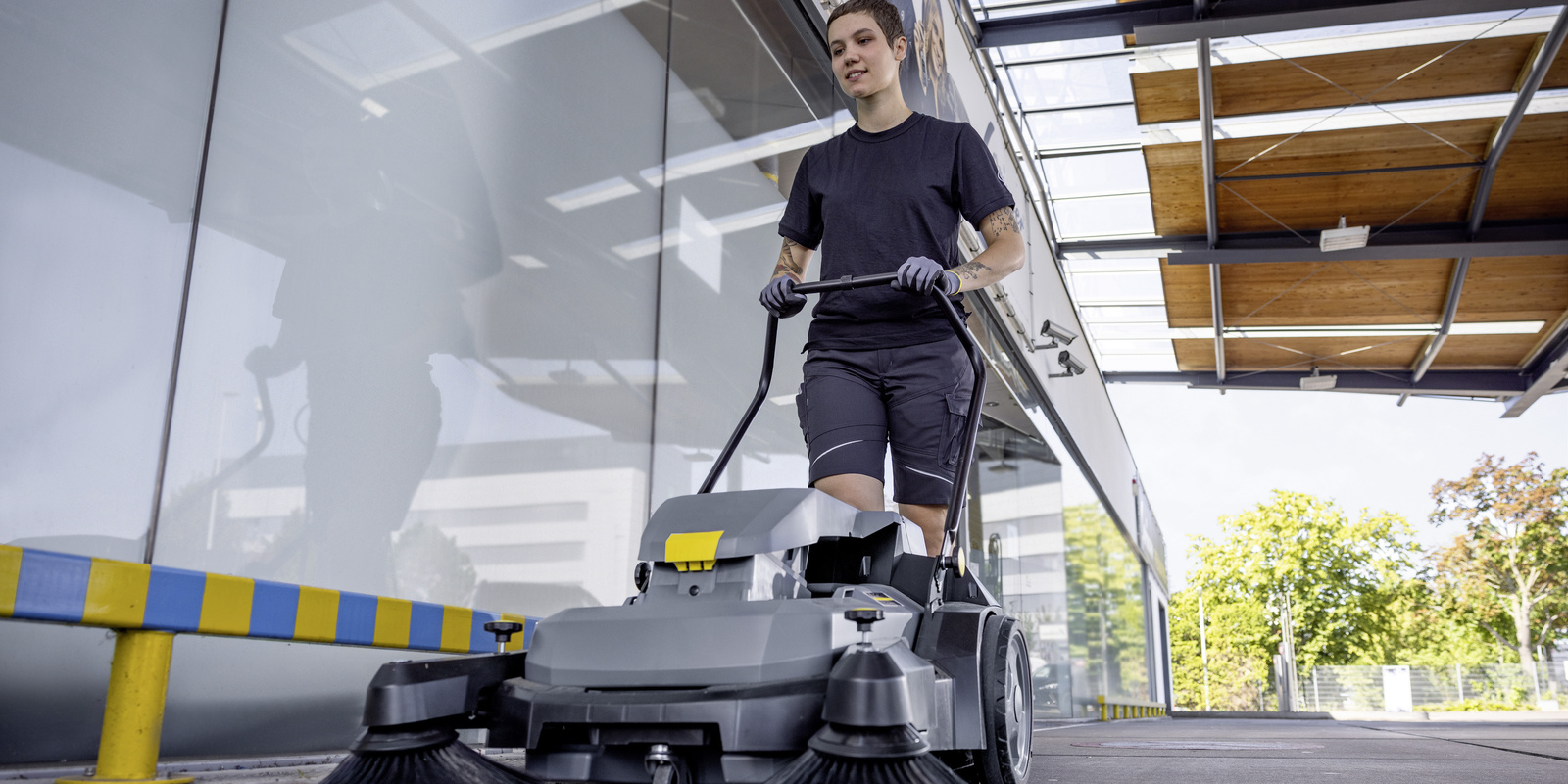
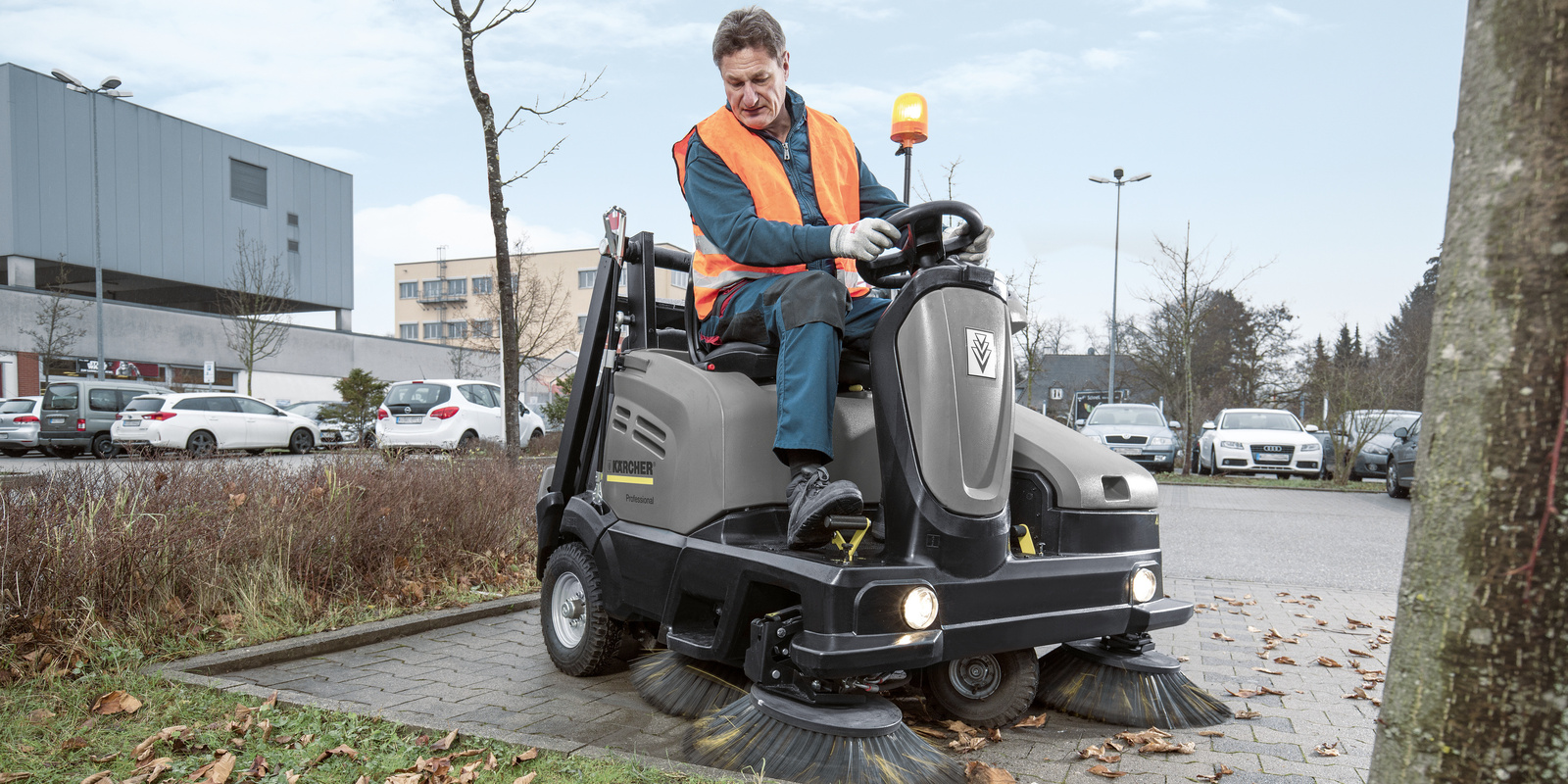
Tip – Maintain cleanliness:
The advantage of vacuum sweepers is that they suction particles immediately, ensuring that parked cars are not covered in a layer of dust as it is kicked up.
Cleaning Outside Spaces
Cleaning outdoor spaces is a critical component of facility maintenance. Roads, sidewalks, and parking lots need to be kept tidy, glass surfaces need to be cleaned, and smaller details—from cigarette receptacles to handrails on external stairs—must not be overlooked. Plus, the entryway and walk-off zones must be cleaned regularly. It is well worth the effort: a positive first impression is created, property value is preserved, and the amount of cleaning required indoors is reduced. A solid cleaning strategy and the right equipment help you achieve your goals efficiently.
Cleaning Parking Lots and Outside Areas
Whether dining in a restaurant, shopping in a grocery store, furniture store, or shopping center, or visiting a doctor's office or museum—often the first thing guests do upon arrival is park their car and walk to the building. There are several cleaning methods that can be used to make a positive impression right from the start, prevent accidents, and stop dirt from being tracked inside.