Cleaning in Retail
Customers' expectations of cleanliness and hygiene have risen. When a space is well-maintained, people not only enjoy spending time there, but they also feel safe and reassured. The overall condition of a store, whether selling food, clothing, or consumer electronics, is as integral to a customer's impression as the products on display. To ensure that cleanliness meets the high standards expected, optimum cleaning processes and methods must be defined for the building. When work is carried out efficiently and the spread of dirt is prevented, a high standard of cleanliness can still be achieved in the face of budgetary pressures and skilled labor shortages.
Download Our FREE Cleaning Solutions Guide For Retail

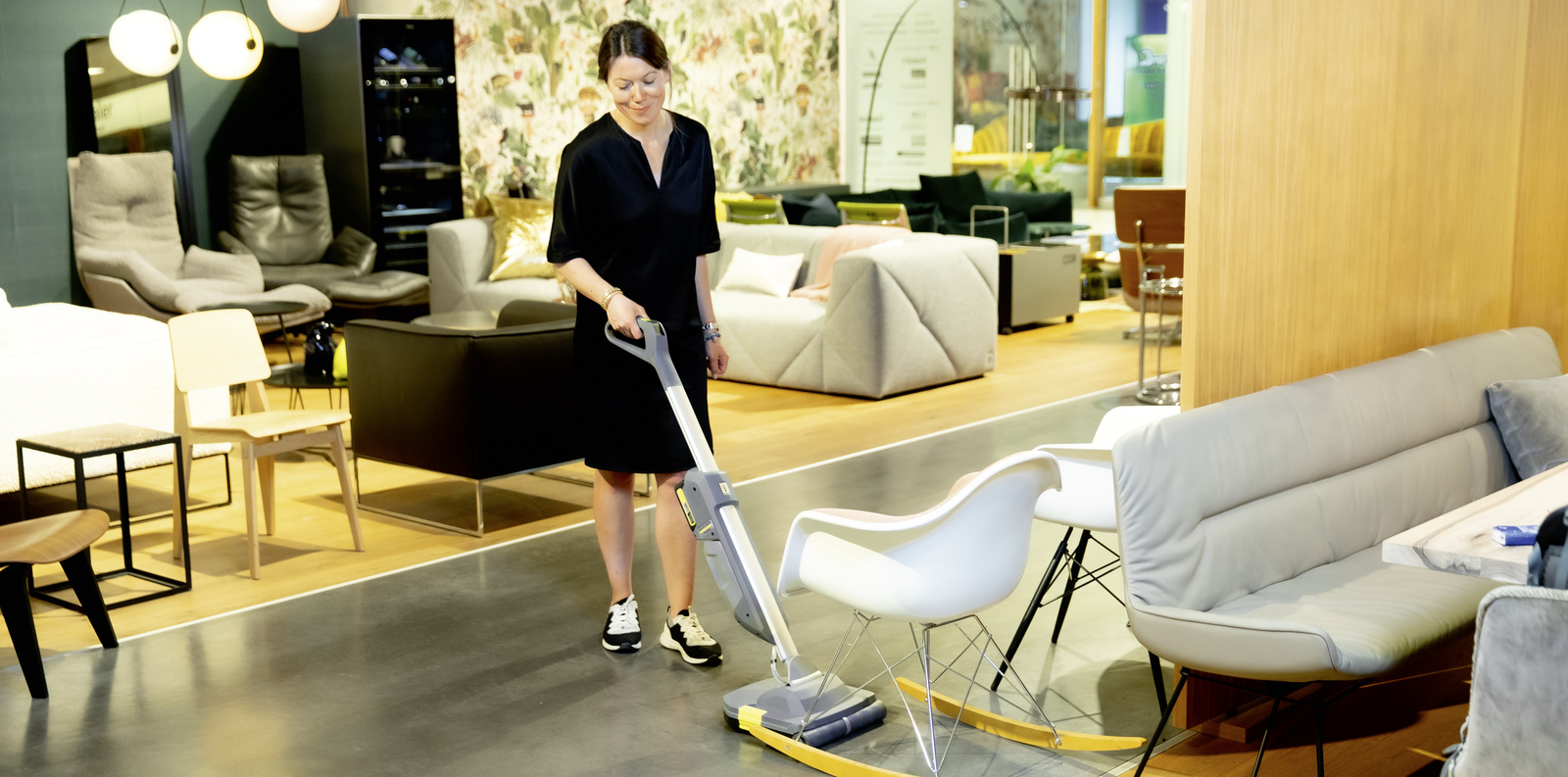
Feel-Good Atmosphere and Peace of Mind for Customers
Establishing Priorities, Weighing Risks
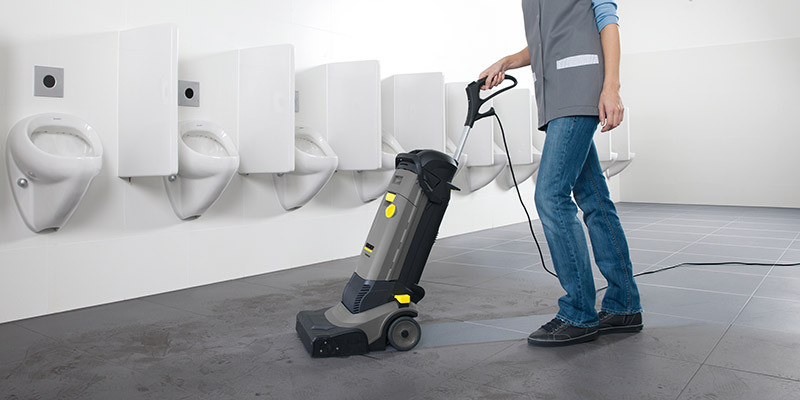
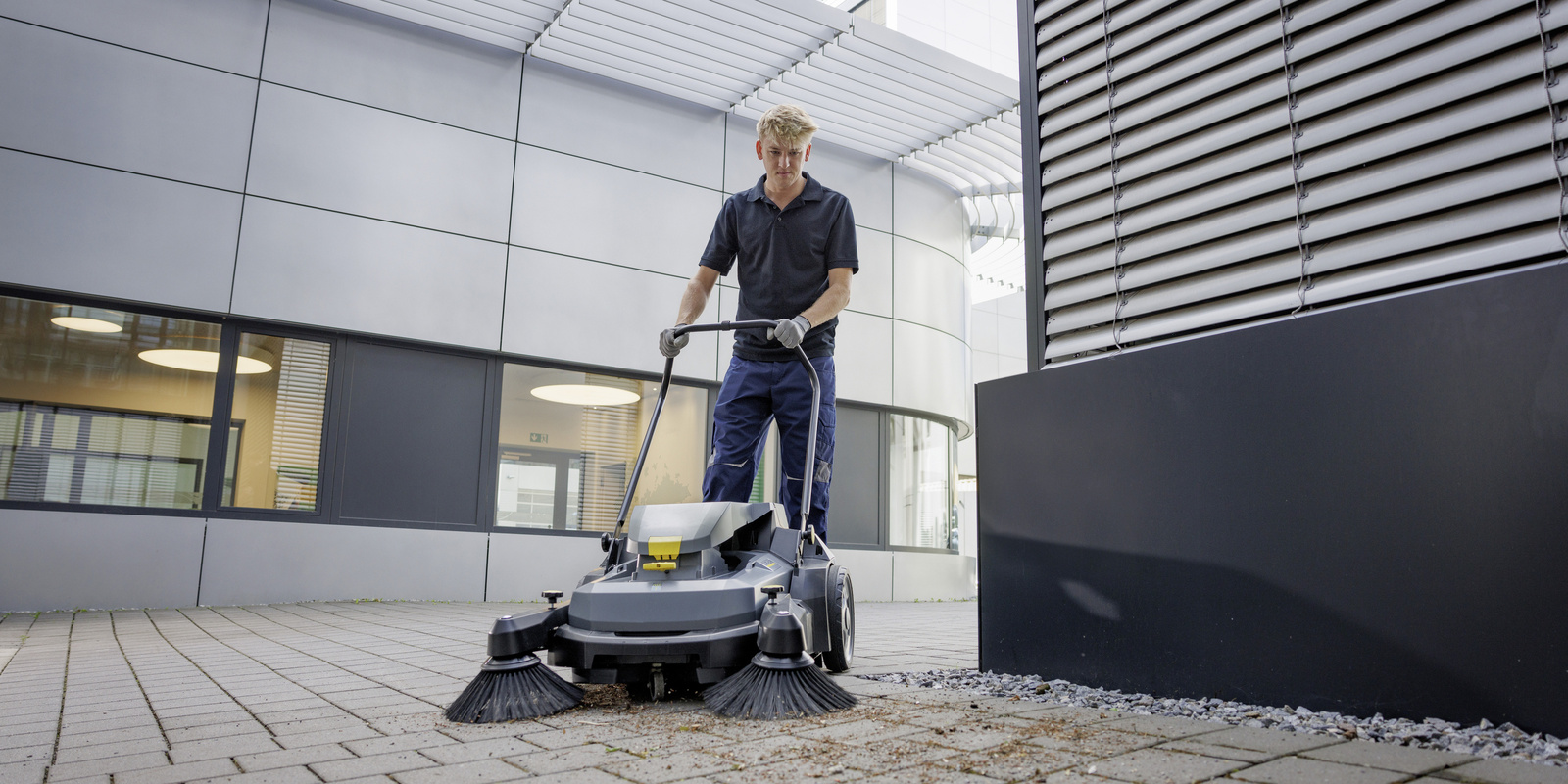
If a cleaning concept is to be developed for a store, the first step is to analyze the physical circumstances. Where might there be high-risk areas that require more frequent cleaning or even disinfection, and where are low-risk areas that can be cleaned less frequently? The first category includes groups of rooms such as restrooms or counters where food is processed or sold, while the second category includes administrative rooms, warehouses, or parking lots, for instance. Of course, cleanliness must be ensured everywhere, but this risk assessment helps to establish priorities and organize processes logically.
Good Equipment Boosts Motivation
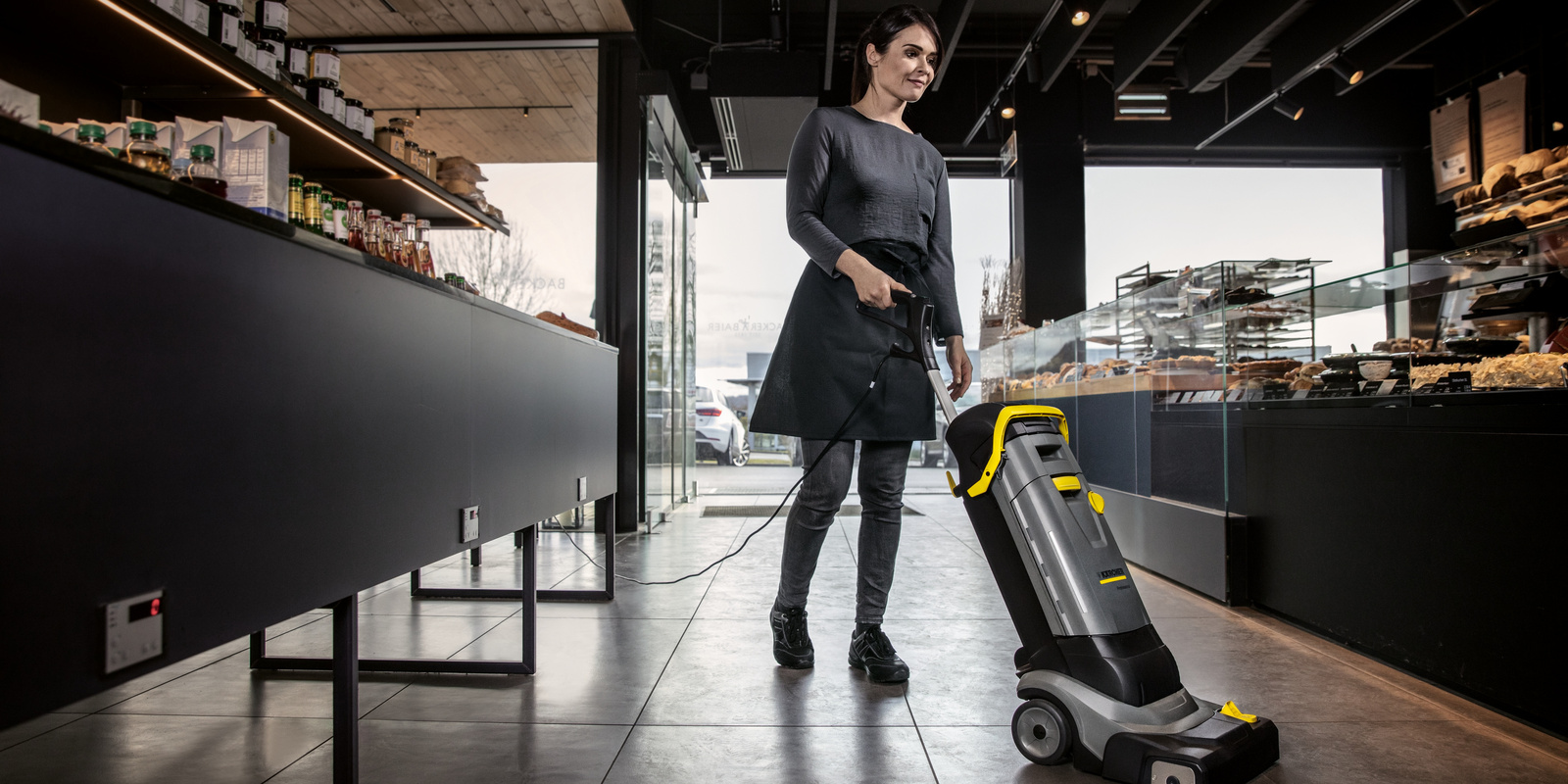
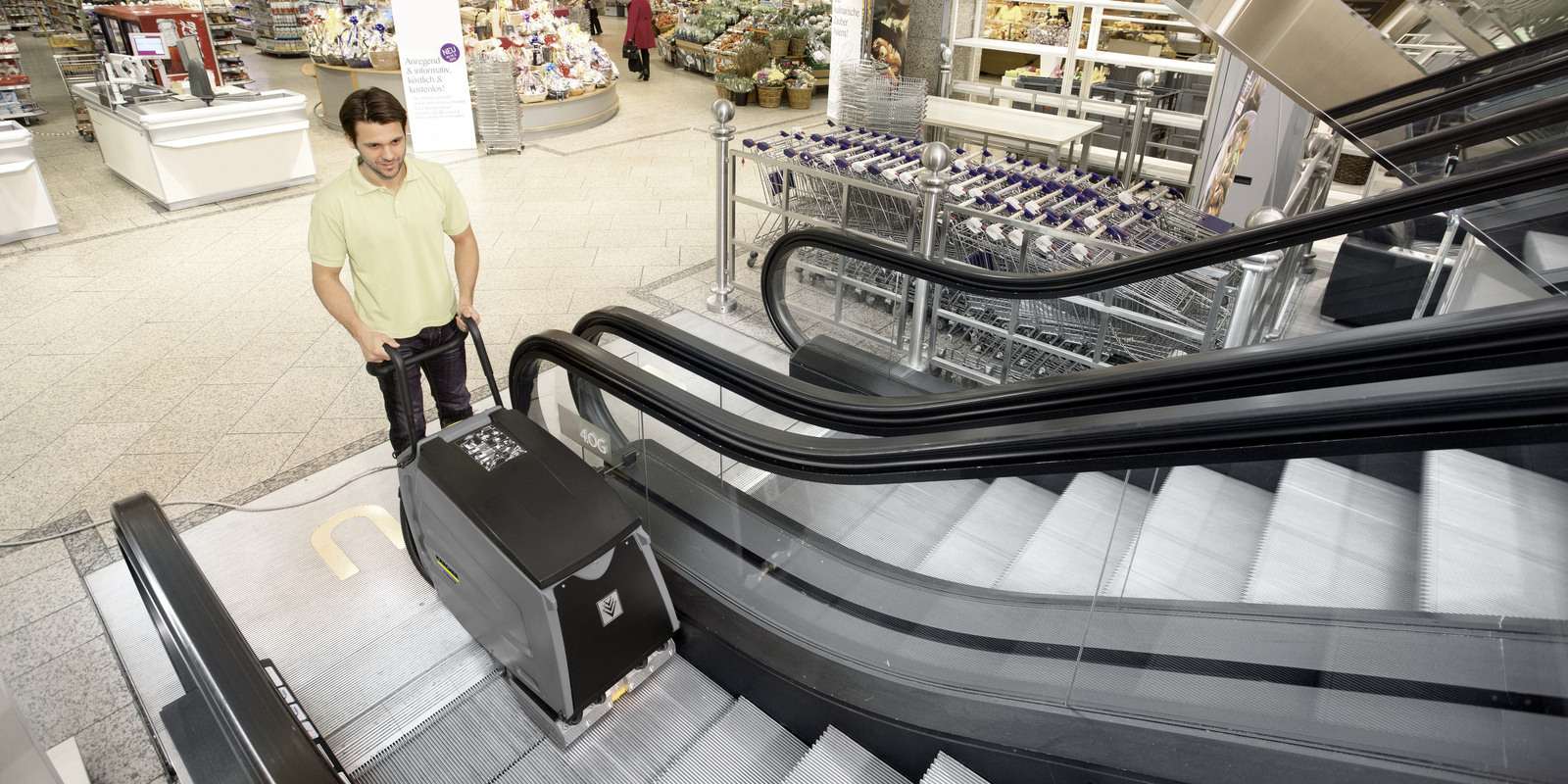
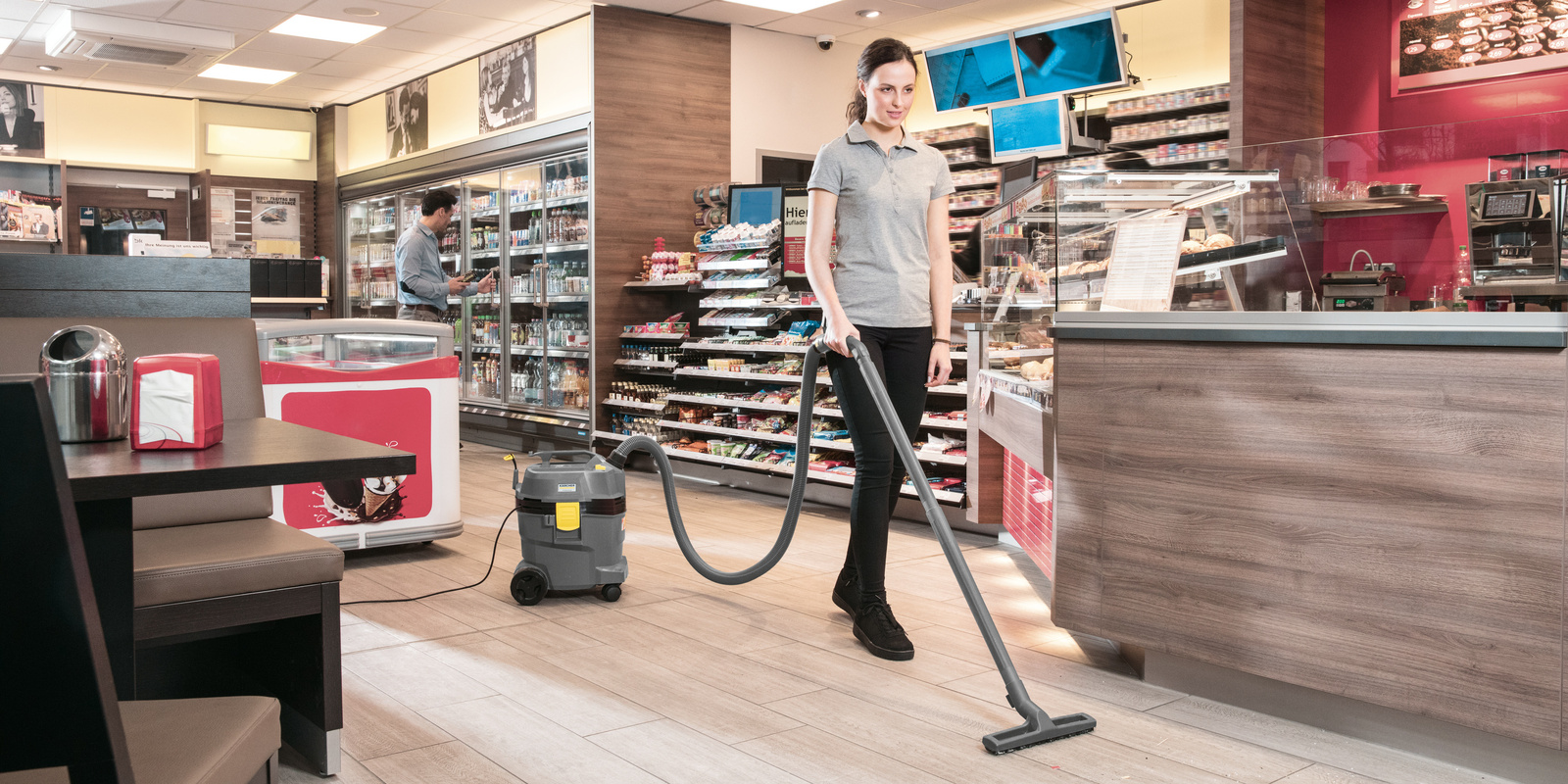
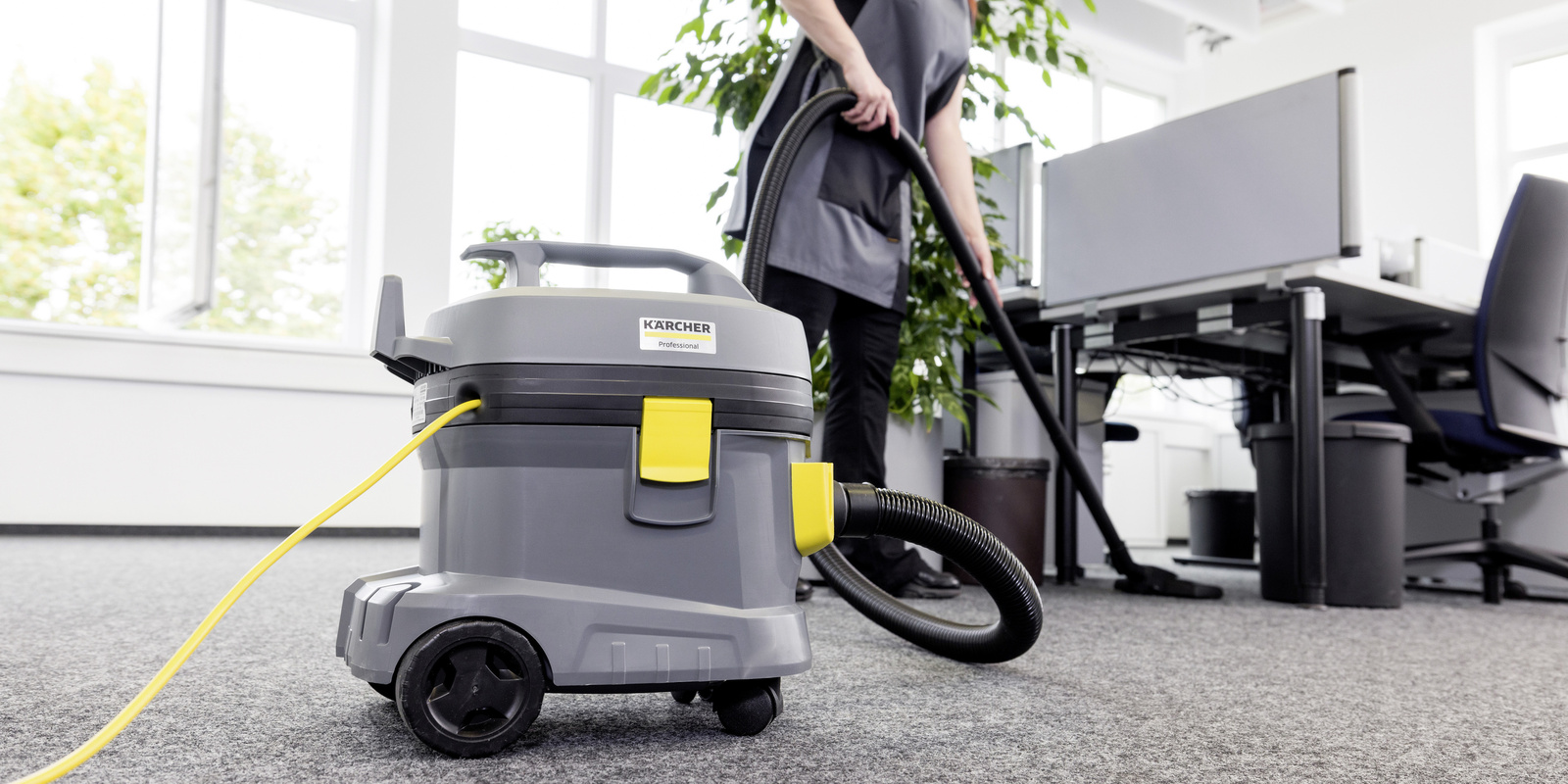
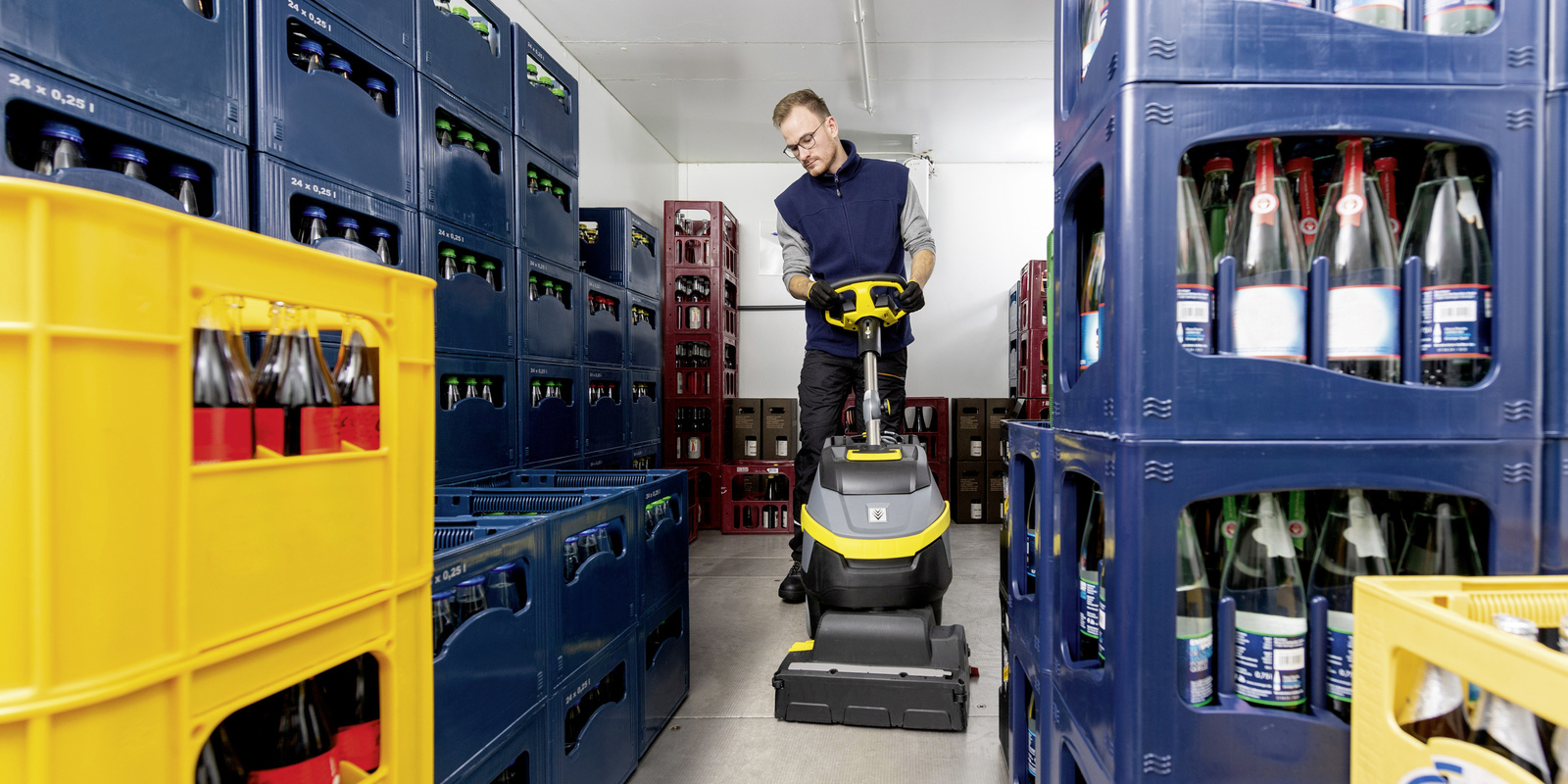
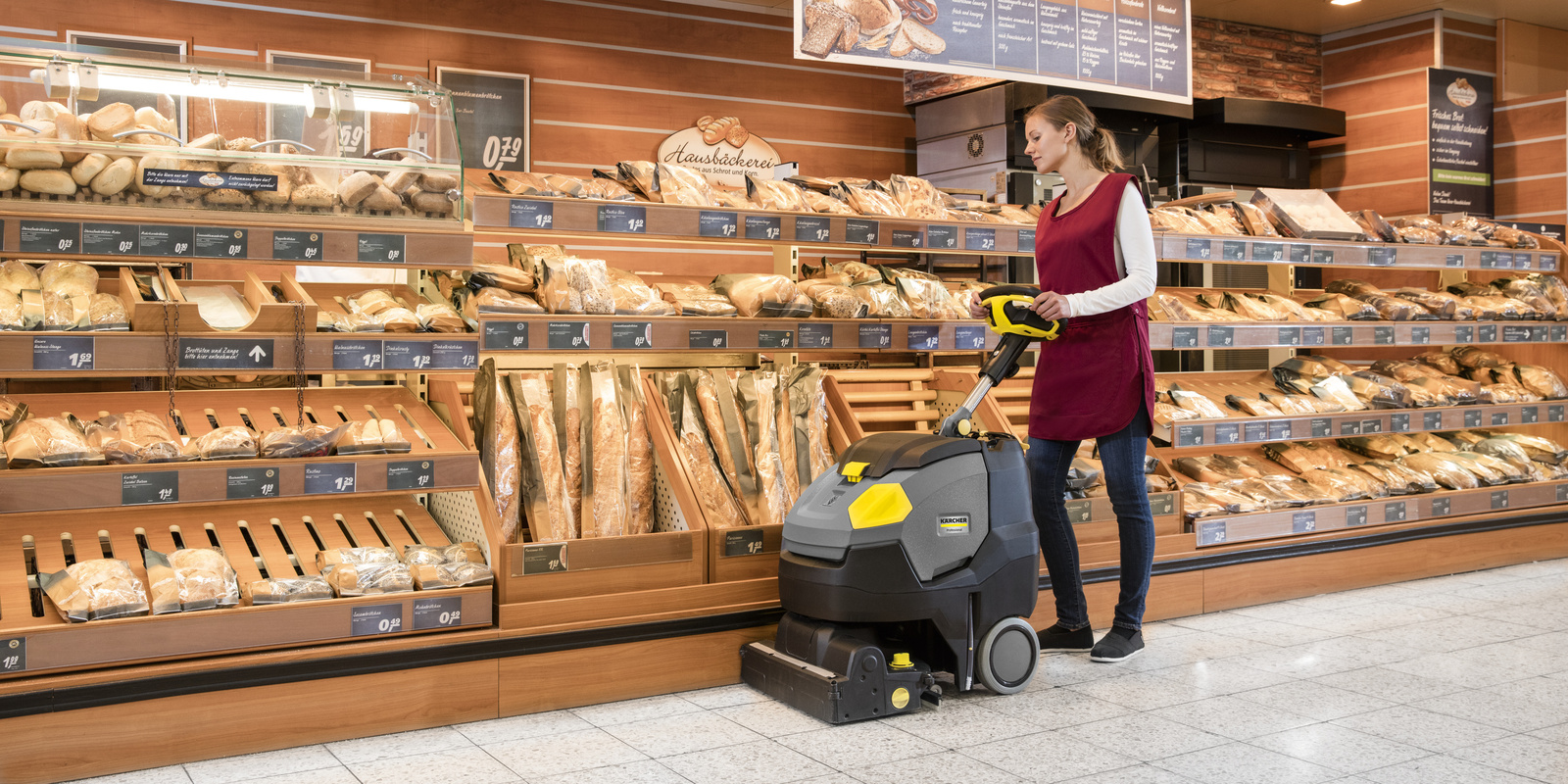
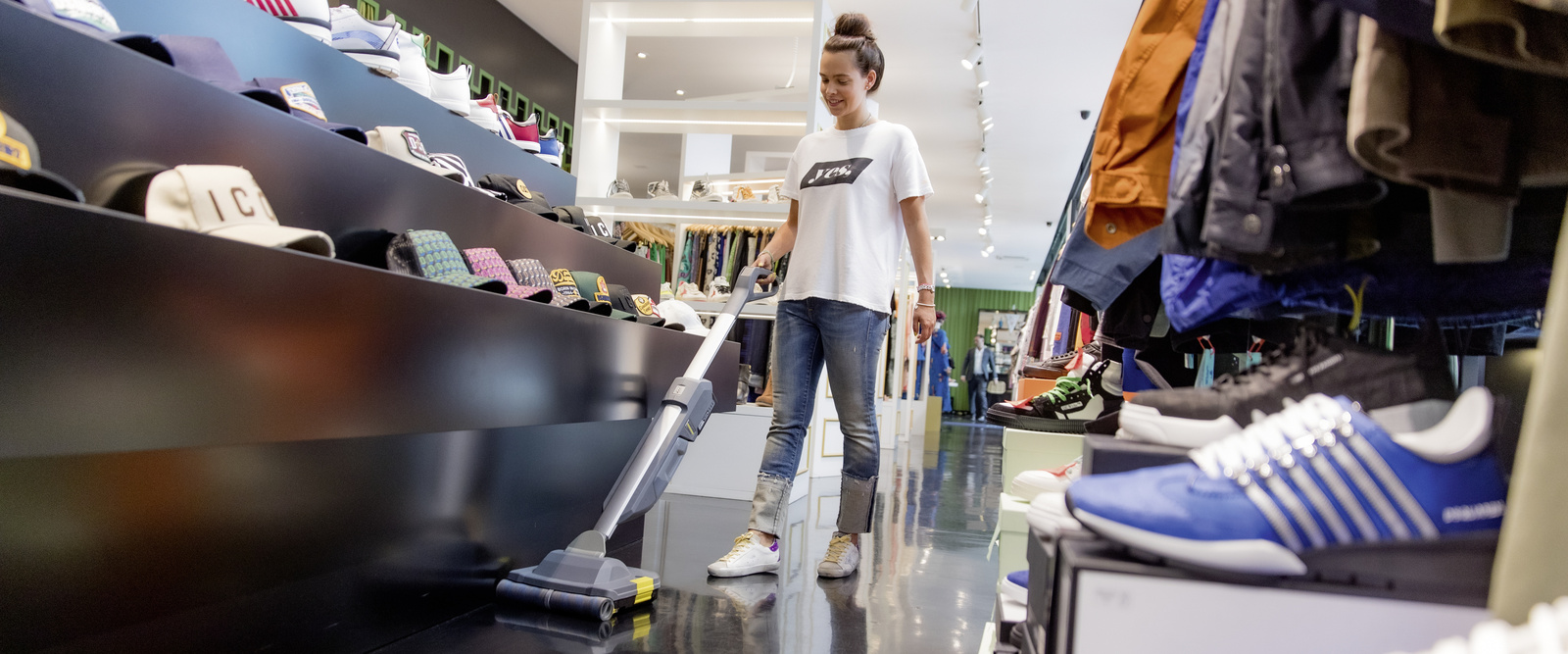
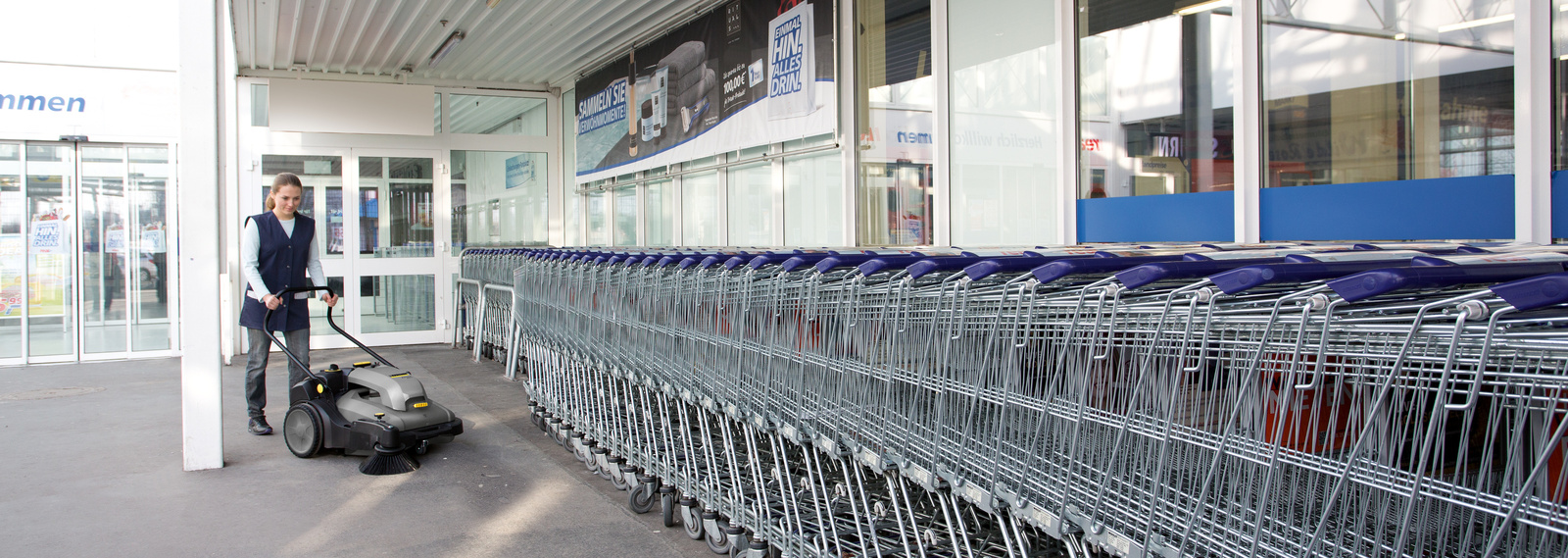
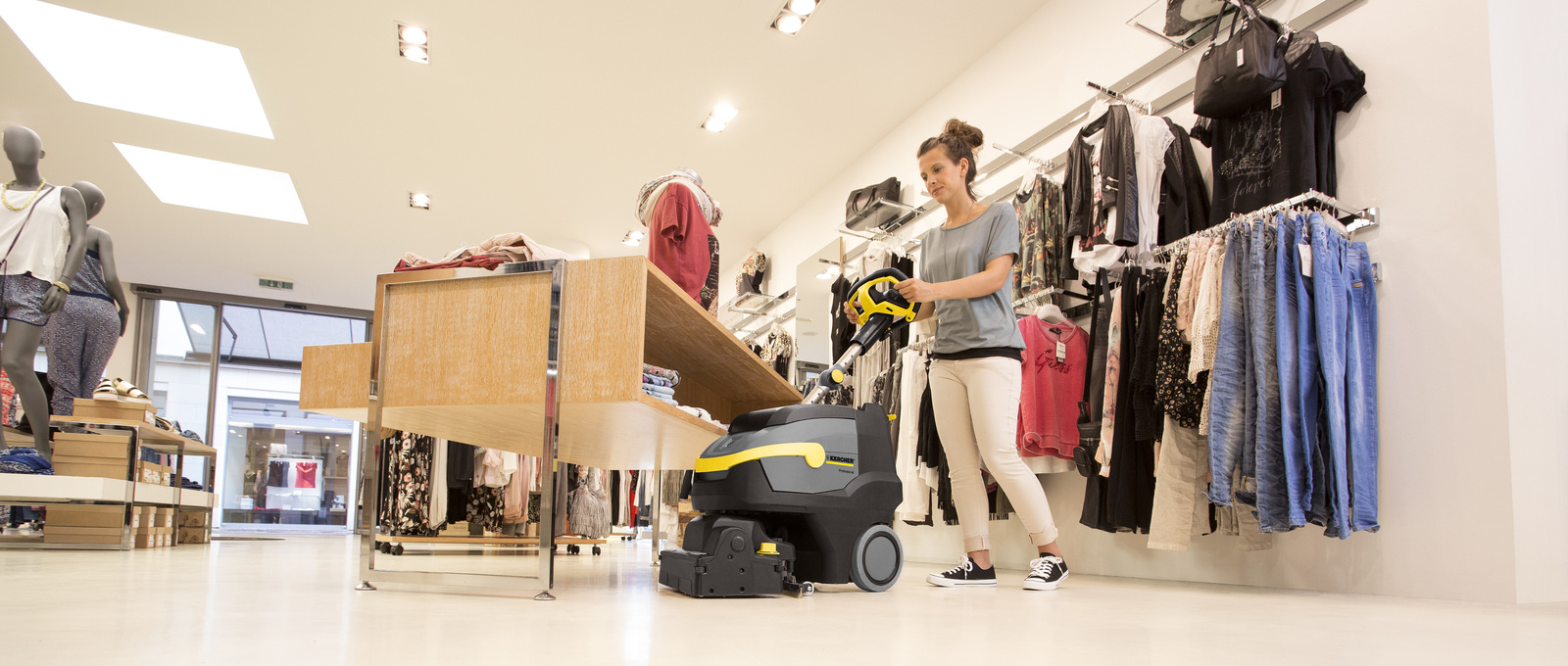
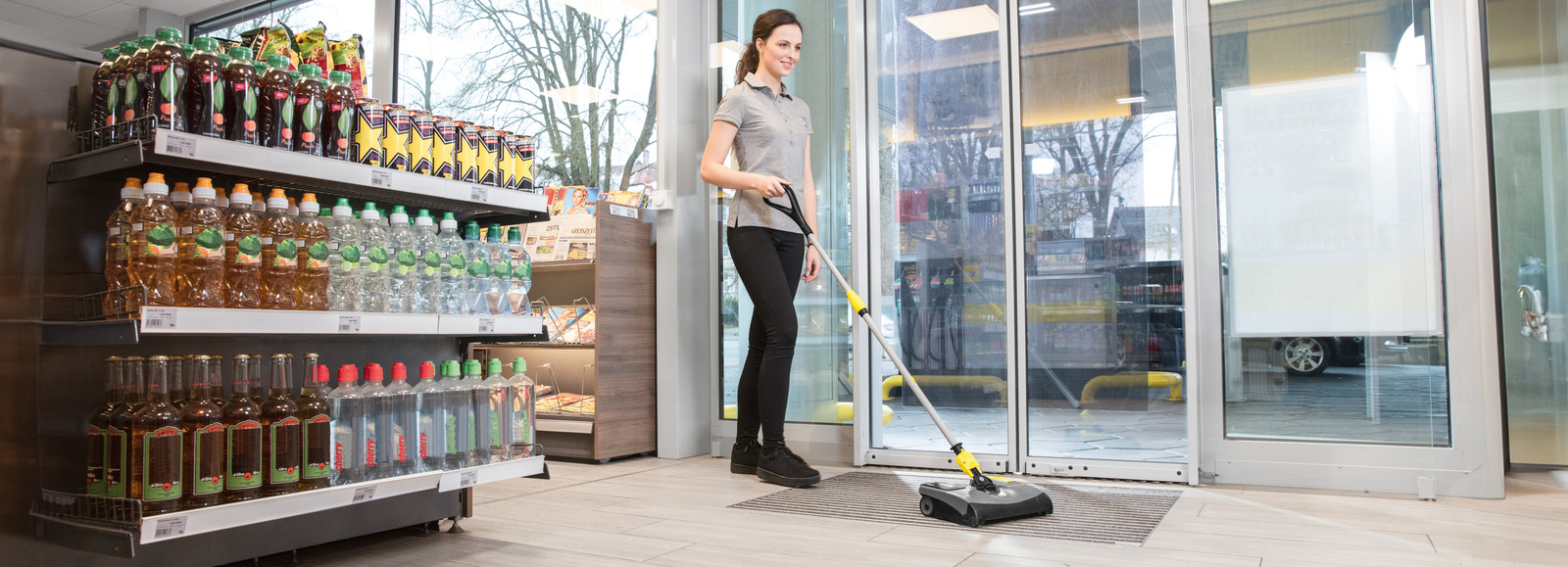
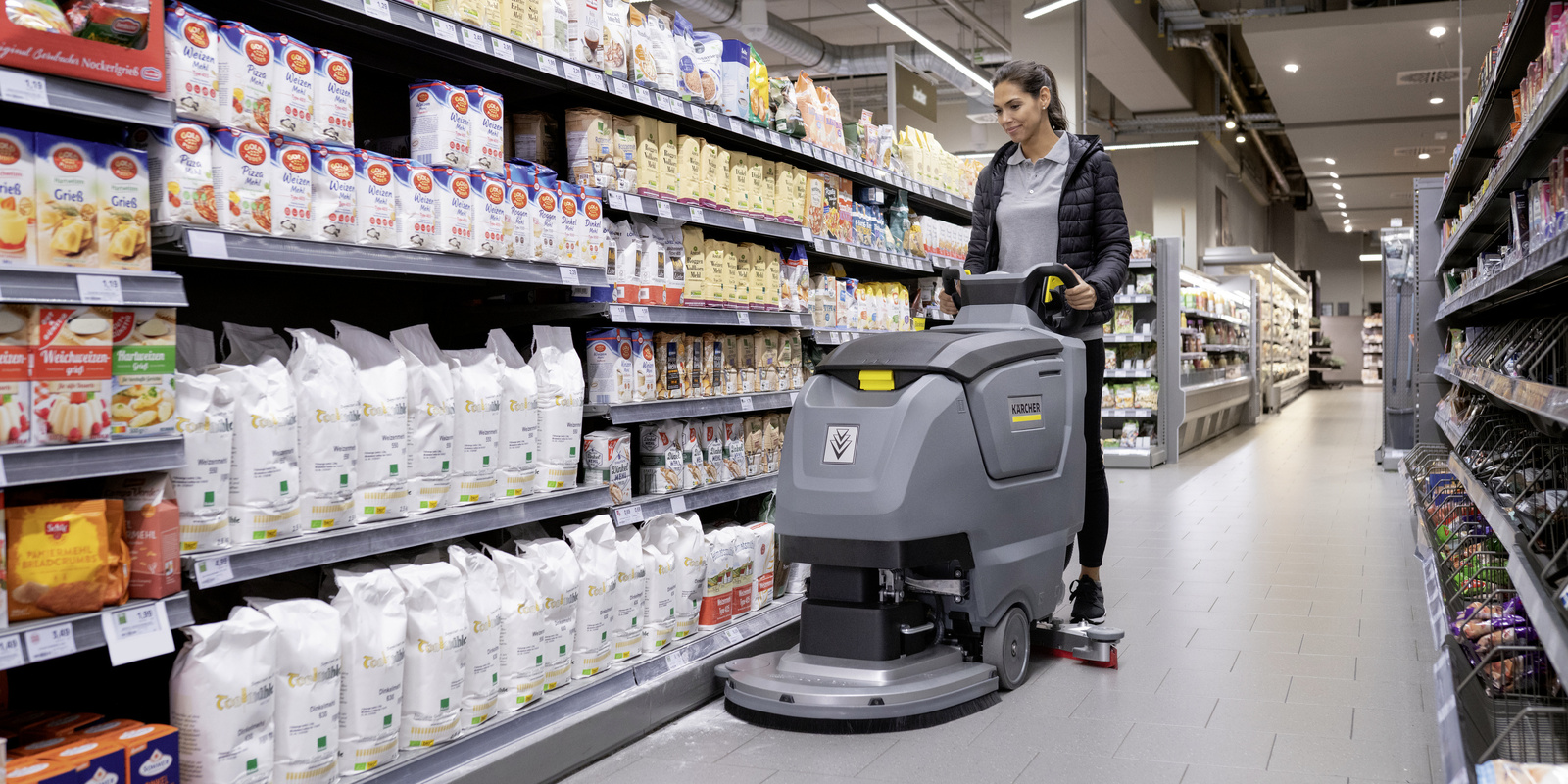
In smaller independent stores, as well as in some chains, the cleaning work in the shop is often carried out by the store's own staff. This makes it all the more important that cleaning sequences are explained clearly and that equipment is provided that makes working straightforward and ergonomic. For example, pretreated mop covers are much easier to handle when cleaning fitting room floors than dealing with a heavy bucket filled with water. Ultra-lightweight backpack vacuums with rechargeable batteries make removing loose dirt child's play, and compact, walk-behind floor scrubbers clean entrance areas quickly and thoroughly. Investing in the right equipment pays off very quickly, as employees have to invest significantly less time in reaching the desired result.
Daytime or Evening? Why not both!
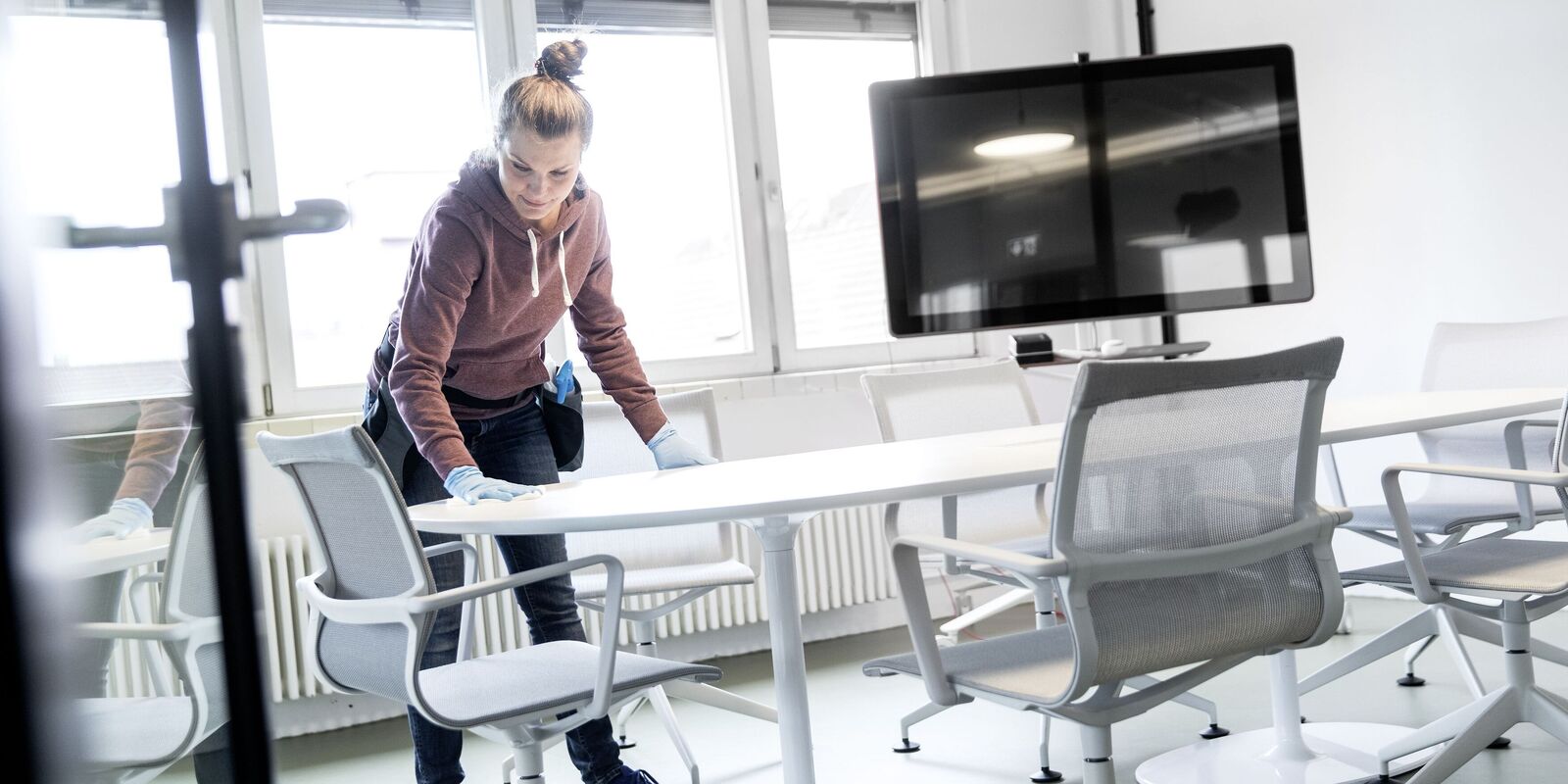
Cleaning work is often carried out in the evening, whereby it is deemed a necessary evil and may be less thorough. It makes sense to do certain jobs during the day as well—for example, cleaning the dust control mats at the entrance several times a day in order to reduce the amount of dirt that gets in. Surfaces at food counters need to be cleaned several times each day, and wet spills should be cleaned up immediately to prevent stains from setting in. Overall, daytime cleaning tends to make a positive impression on customers, ensures the safety of pathways, and dramatically reduces the time needed for cleaning after closing time in the evening.
For Large Areas: Robots or Ride-On Machines
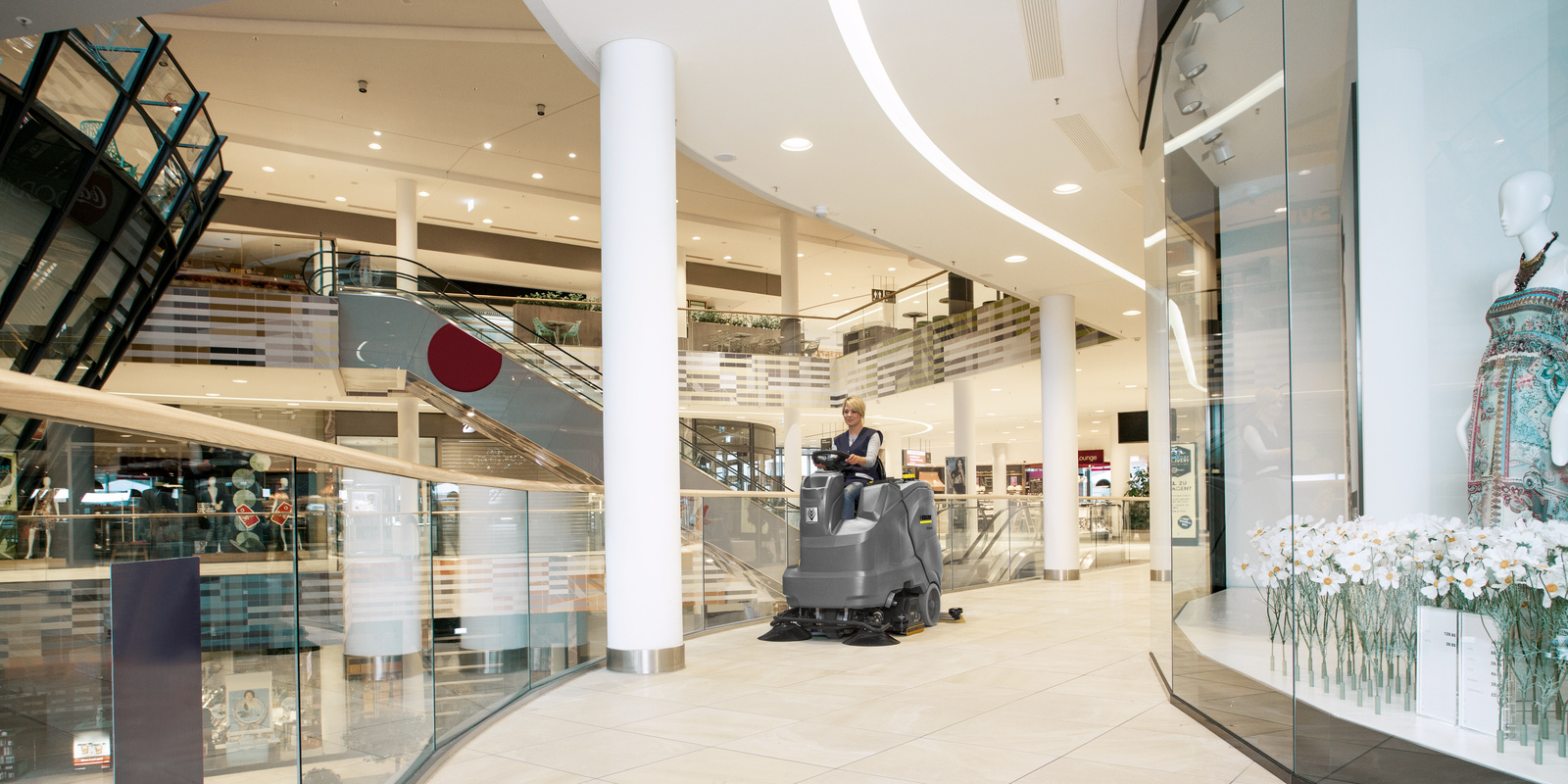
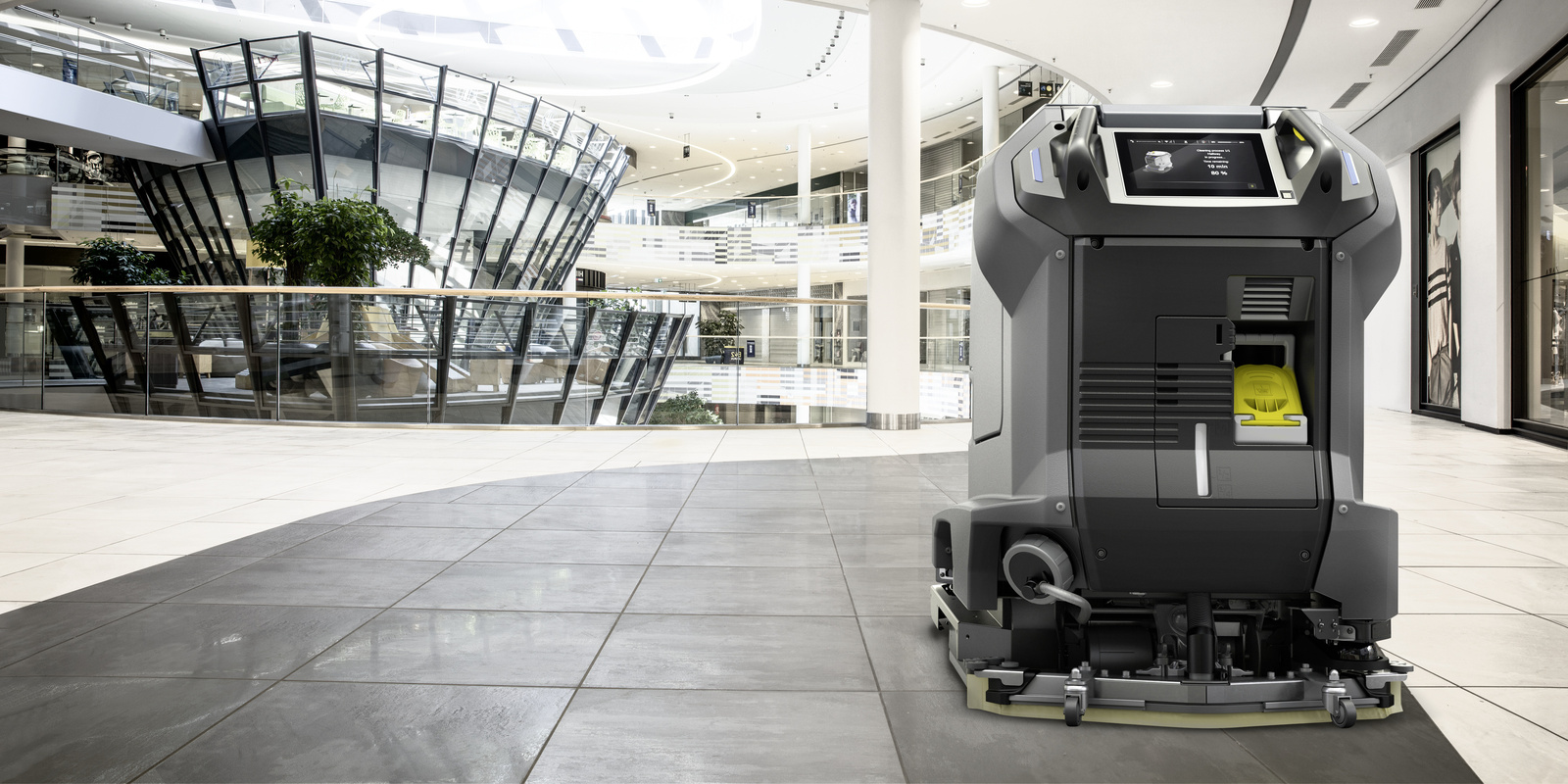
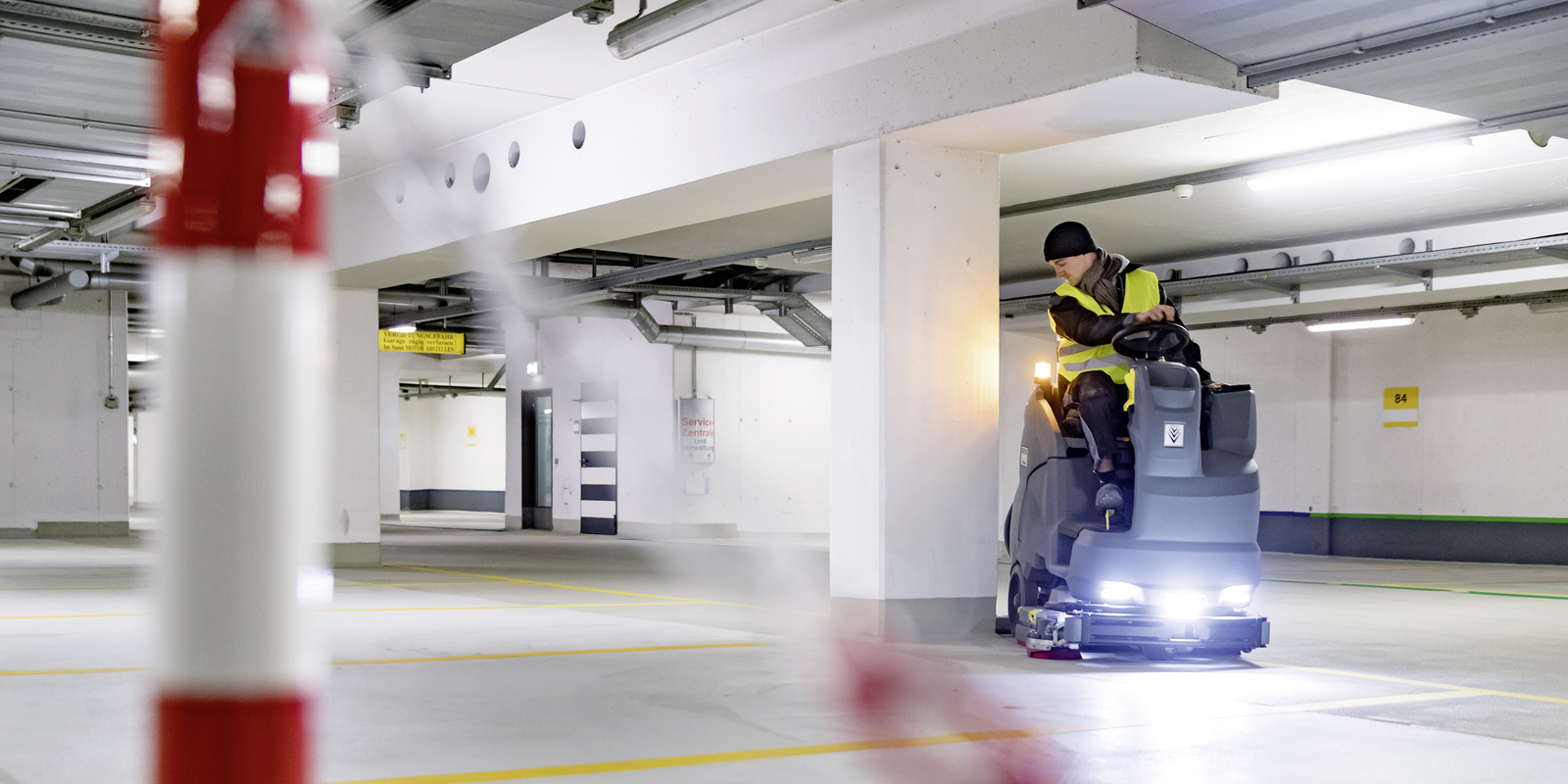
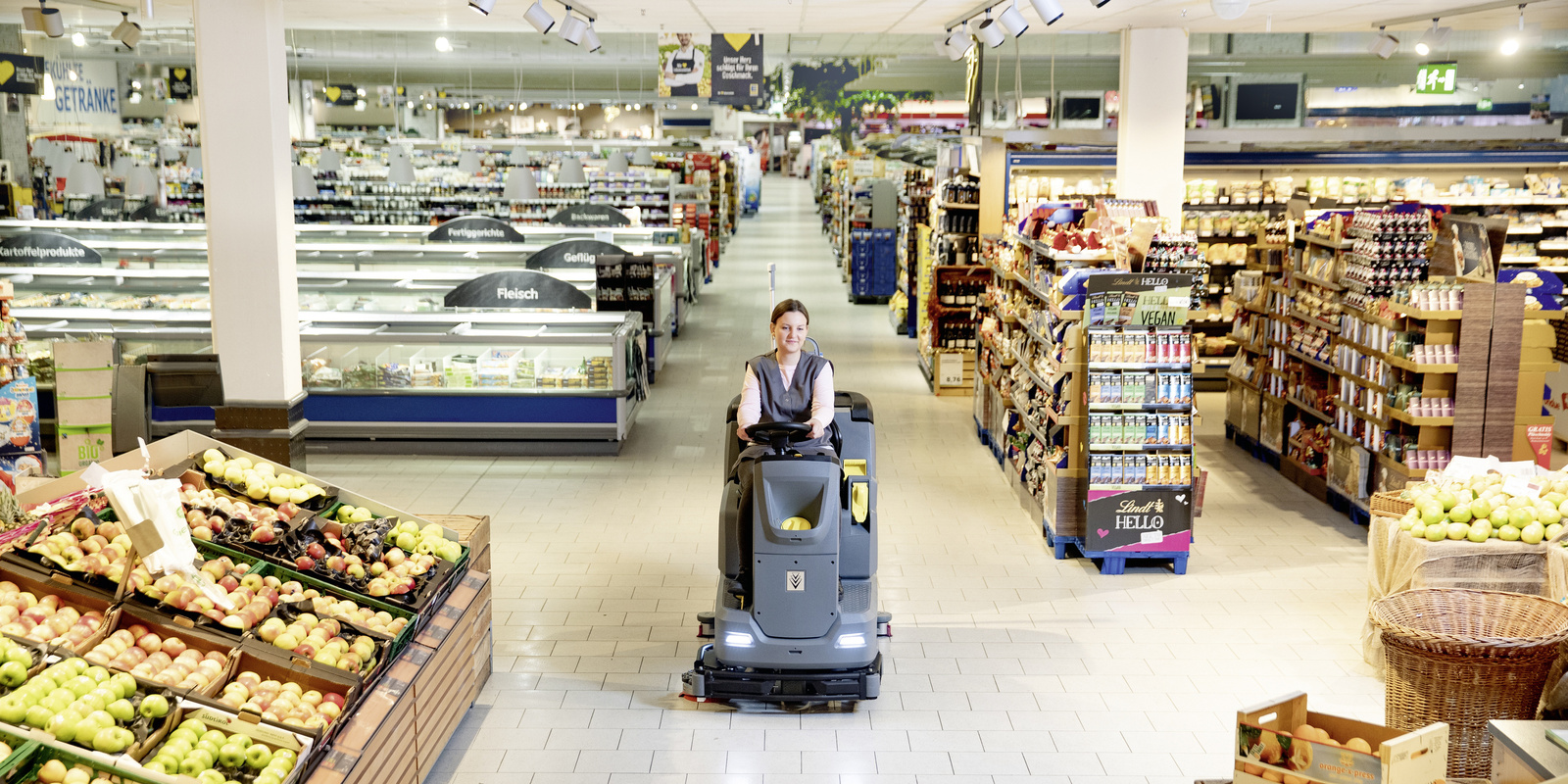
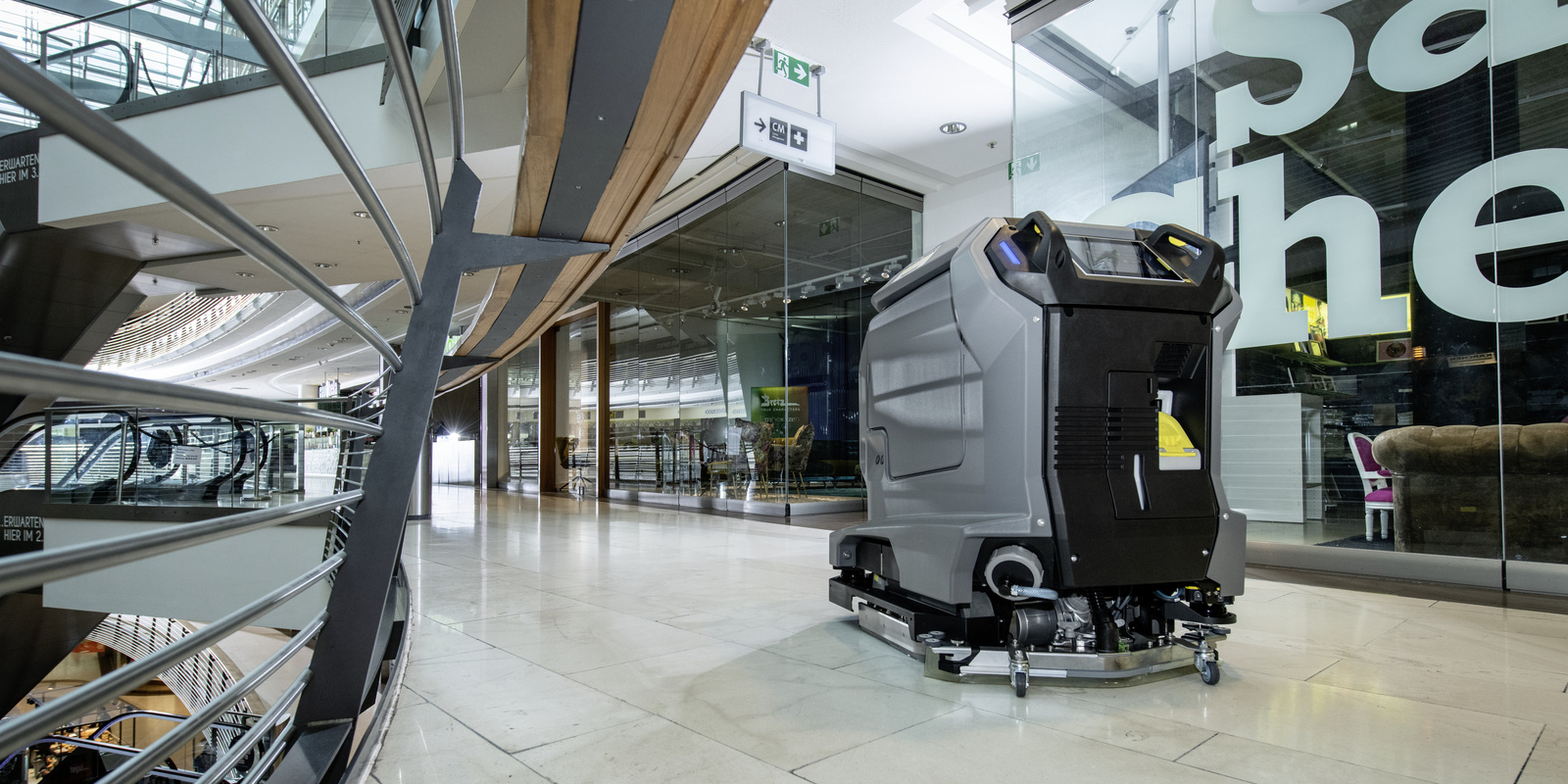
Even retail stores are benefiting from developments in robotics, as high-performance solutions are available that can safely navigate through crowds. Whether for a home improvement store or a shopping mall, investing in floor scrubber robots, robotic vacuum cleaners, or carpet cleaning robots is worthwhile to relieve the pressure on staff and guarantee cleanliness. Alternatively, there are ride-on machines that offer high area performance and make work easier.