Cleaning Schools and Daycare Facilities
When it comes to cleaning schools and daycare facilities, the task is anything but child's play: challenges include clearing up after lots of (small) people in confined spaces, as well as countless different areas and cleaning tasks to tackle. A clever cleaning concept, suitable methods, and the right technology are needed to ensure that the setting is kept pleasantly clean and free of pathogens. This way, value preservation and environmentally friendly processes can be easily implemented, even in the event of staff shortages.
Cleaning Concepts for Schools and Daycares
Good planning is half the battle. A solid cleaning concept forms the basis for mastering the wide range of cleaning tasks in the most time-saving, efficient, and environmentally friendly way possible, even with staff shortages.

Cleaning Concept #1: Set Priorities
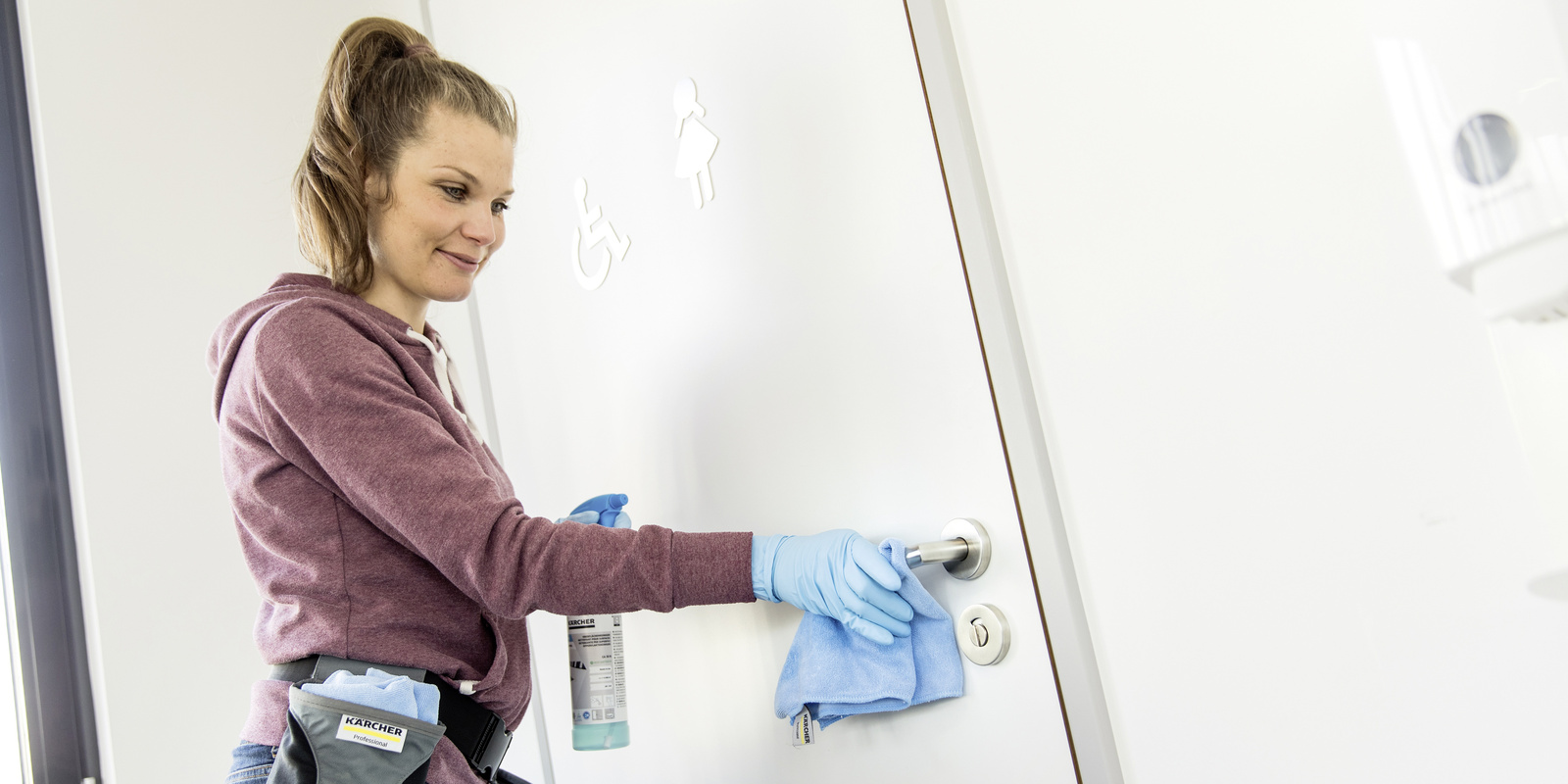
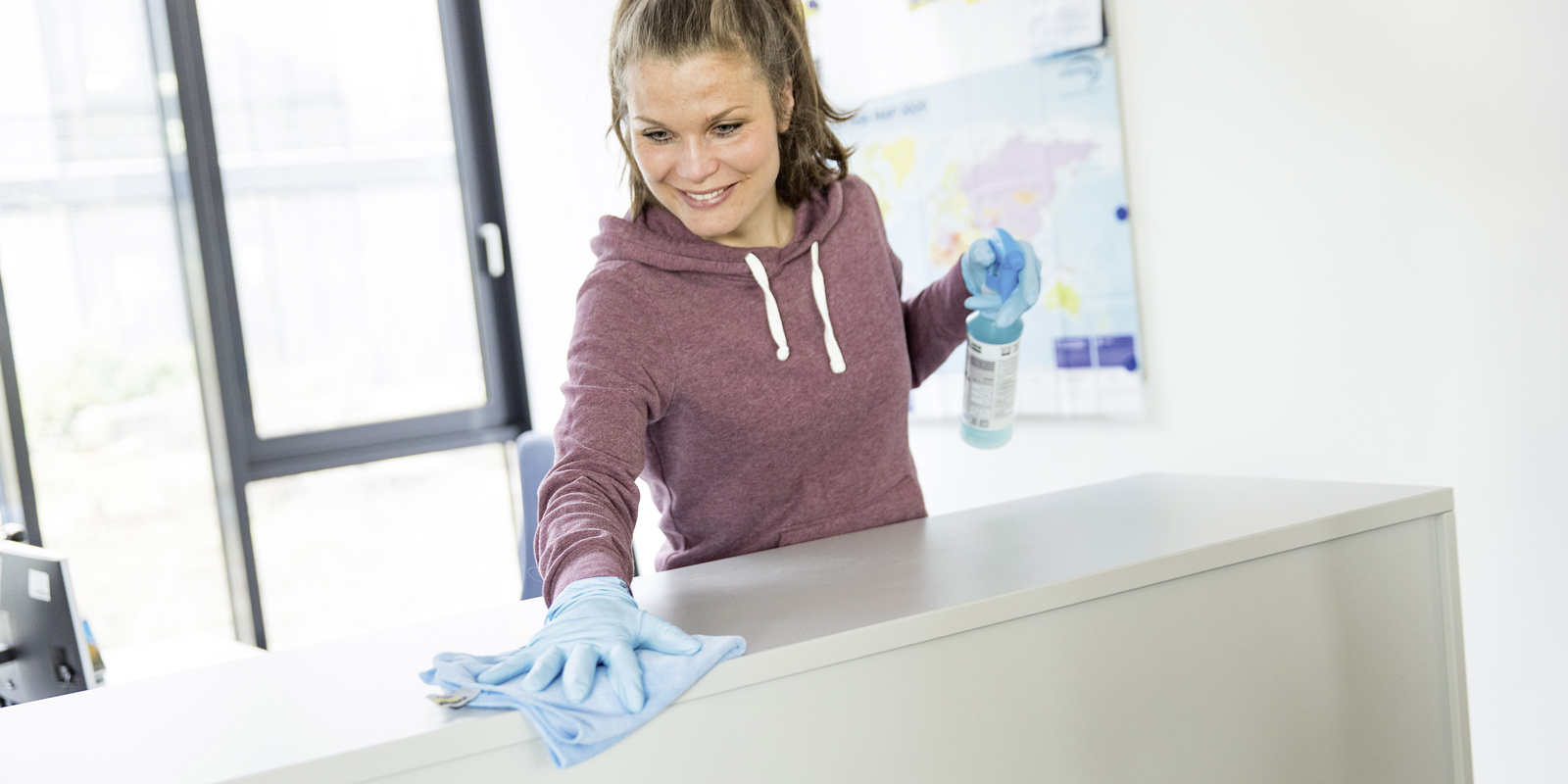
Everyday life in schools and daycares is hectic, with lots of people crossing paths every day. Some surfaces in these settings come into frequent direct contact with skin, including toilet flush buttons, door handles, and light switches. There are also many cleaning tasks that need to be done daily, from outdoor spaces to stairs, and from kitchens to restroom facilities. To ensure cleanliness and hygiene in all areas as efficiently as possible, it's important to prioritize tasks. The basic principle is that hygiene-related work should be prioritized over cleaning measures that are purely for appearance's sake, such as dusting cabinets.
Cleaning Concept #2: Save Time, Protect the Environment
The right cleaning methods can effectively reduce the volume of germs for hygienic results. In normal day-to-day operations, disinfectant cleaning is therefore only necessary at critical points, i.e., frequently touched surfaces. This saves the cleaning staff valuable time, which can reduce the strain caused by staff shortages and capacity bottlenecks. At the same time, fewer disinfectants are used—a first step towards greater sustainability.
Cleaning Concept #3: Train Staff, Build Confidence
Once the cleaning concept, with all its corresponding priorities and processes, has been fully fleshed out, the cleaning staff will then need to be trained. To support this, the individual work steps for each room can be displayed in a clearly visible location. Work guidelines of this kind provide clarity for the cleaning staff as to which work steps are to be carried out in which order. This ensures that staff can perform their tasks with confidence and establishes trust among teachers, caregivers, and students alike.
Cleaning Concept #4: Quality Management
A quality management system is necessary to monitor the effectiveness of the hygiene concept—and is also very easy to implement in small daycares. One simple measure is to maintain a cleaning log, which records which work was completed when and which tasks could not be performed. It can also be used to demonstrate whether the objective of cleaning was achieved. If it emerges that surfaces cannot be thoroughly or adequately cleaned due to time constraints, the hygiene concept should be optimized or the measures should be better prioritized.
Tip 1 – Clear Work Guidelines:
The work guidelines that are displayed should be as visual, clear, and language-neutral as possible, in order to overcome any language barriers and avoid any ambiguities.
Tip 2 – Keep an Eye on Hygiene Standards:
An ATP rapid test kit can be used to determine whether a given surface meets the required hygiene standard. The test measures the amount of adenosine triphosphate (ATP) left behind by humans, animals, and other living things.
Cleaning Practices for Schools and Daycares
Cleaning practices differ by room and should be tailored to each area. Nevertheless, certain aspects need to be considered everywhere. Using the right methods will ensure efficiency, safety, and environmental protection.
Efficient Processes #1: Pretreatment/Spraying Method, Dust-Binding Cloths
The pretreatment or spraying method is recommended for manual surface cleaning and for spot cleaning of marks, such as fingerprints, on glass surfaces. For this, cloths that have been folded over twice and presoaked with the right amount of detergent are used. Alternatively, cleaning staff can apply a cleaning solution from a foam dispenser. The first surface is cleaned with a fresh side of the cloth; the cleaner then unfolds a new section of the cloth to clean the next surface, and continues in this manner until all sides of the cloth have been used. It's then replaced with a fresh cloth. This procedure is not only practical, time-saving, and efficient, but also helps to prevent the spread of germs. Another option for surface cleaning is to use dust-binding cloths. With these, dust can be removed from surfaces without the use of water or cleaning chemicals.
Tip 1 – Hygiene for Toys:
Toys should be cleaned periodically with warm water mixed with dish soap and then rinsed with clear water.
Tip 2 – Basic Rules for Cleaning:
In general, conventional cleaning practices should be followed—i.e., work from top to bottom, from dry to wet, and from clean to dirty.
Tip 3 – Effective Dust Binding:
Dust-binding cloths are suitable for wiping and collecting dust from smooth floor coverings.
Efficient Processes #2: Cleaning Floors
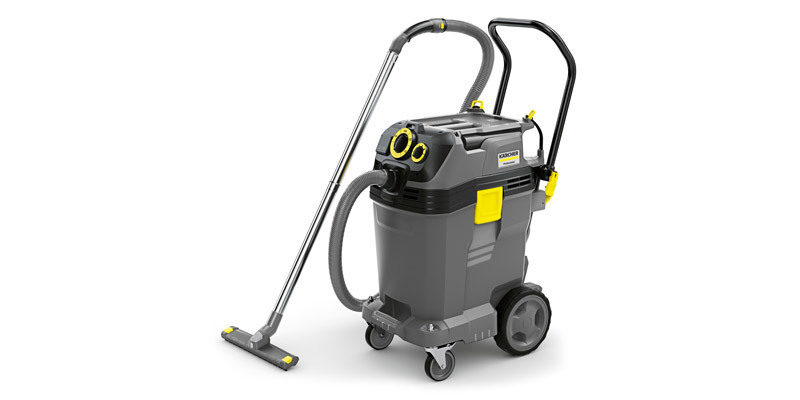
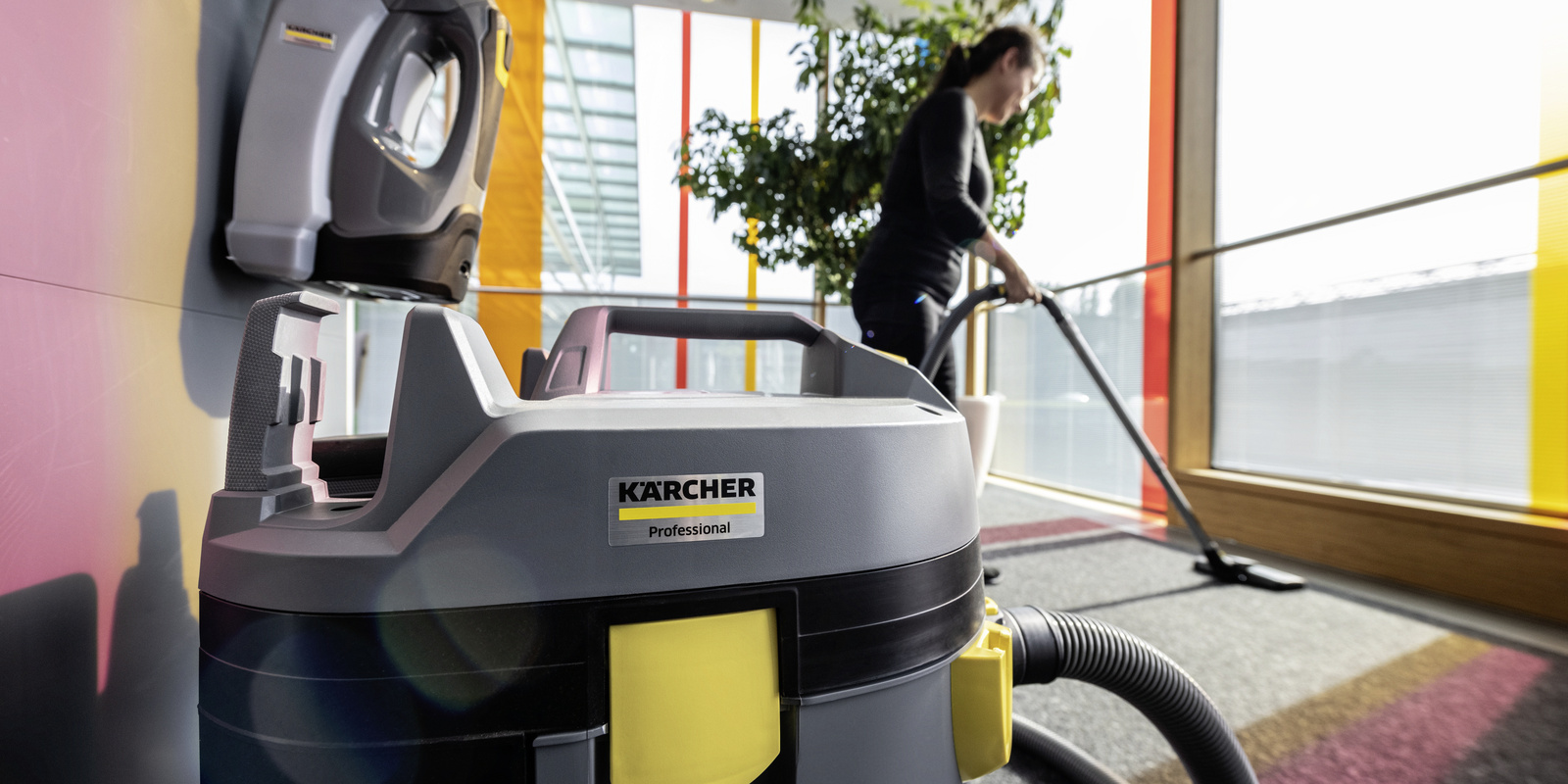
A good choice for the day-to-day dry cleaning of floors are dry vacuum cleaners that have a HEPA filter and can therefore pick up and retain microorganisms. To remove loose dirt, cleaning staff can also wipe and collect dust from hard floors manually—depending on the size of the room and the extent of the dirt.
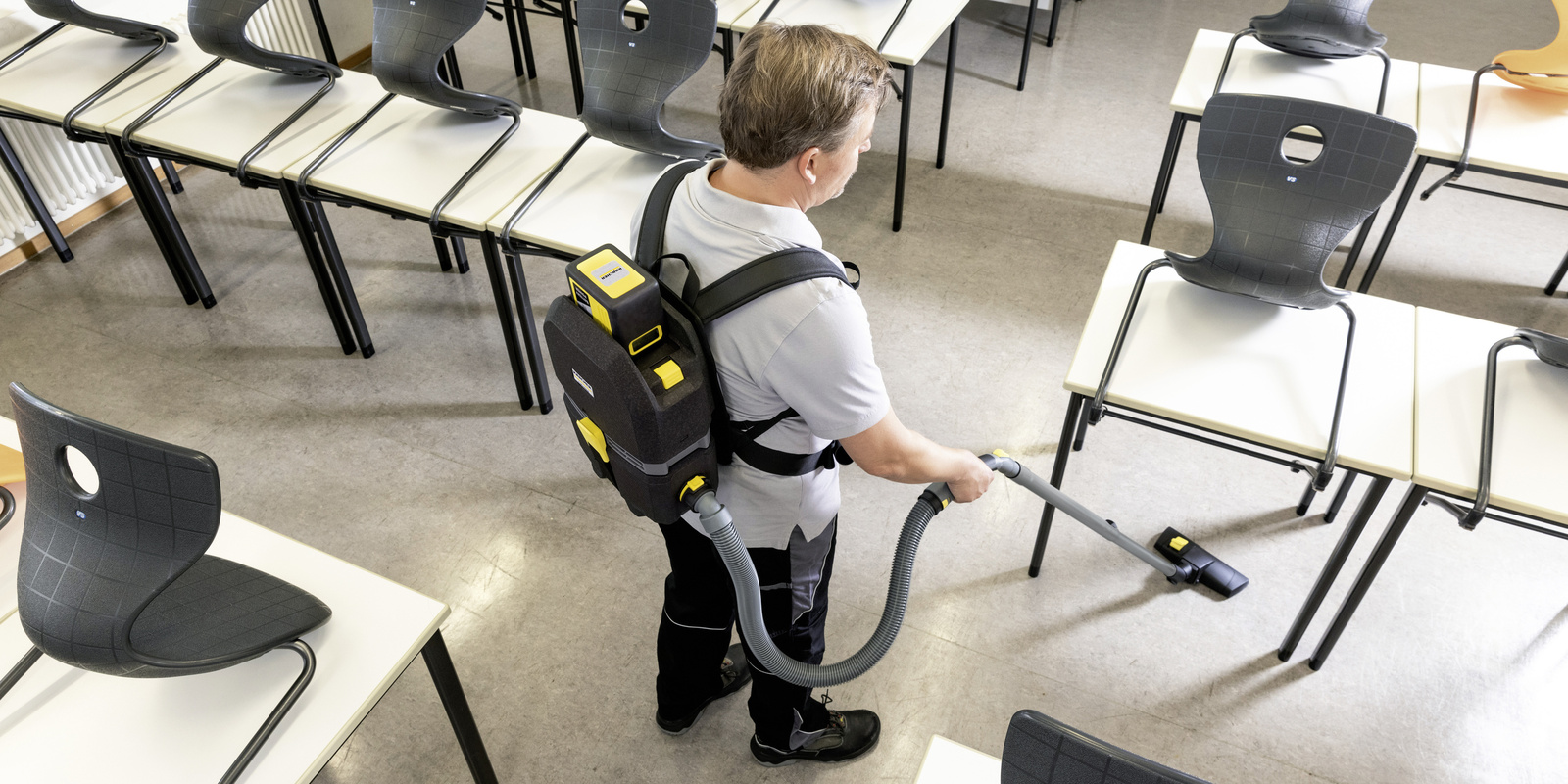
For weekly wet cleaning, it's important to use the right method. To prevent the spread of germs, it is best to avoid using a mop and bucket. Microfiber mop covers that have been pre-moistened with detergent are a safer alternative. One mop should be used per room.
Tip 1 – Sustainable Reusable Textiles:
Reusable textiles are a particularly sustainable option for floor cleaning: once the cleaning task is complete, the textiles can be chemothermally or thermally treated in a washing process. If this is not possible, disposable textiles can be used as a safe alternative.
Tip 2 – Advantages of Floor Scrubbers:
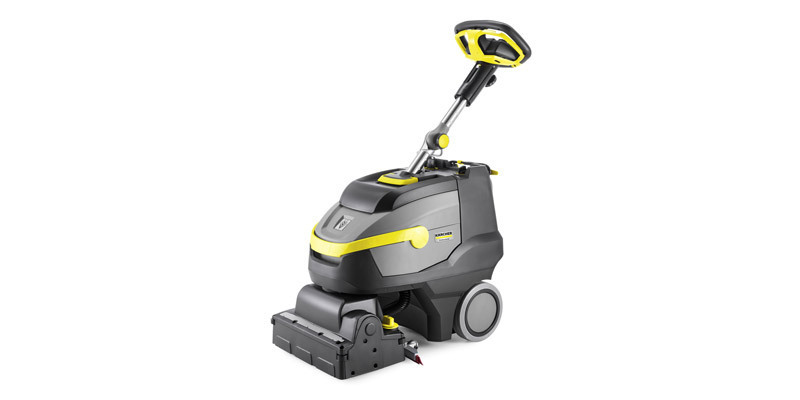
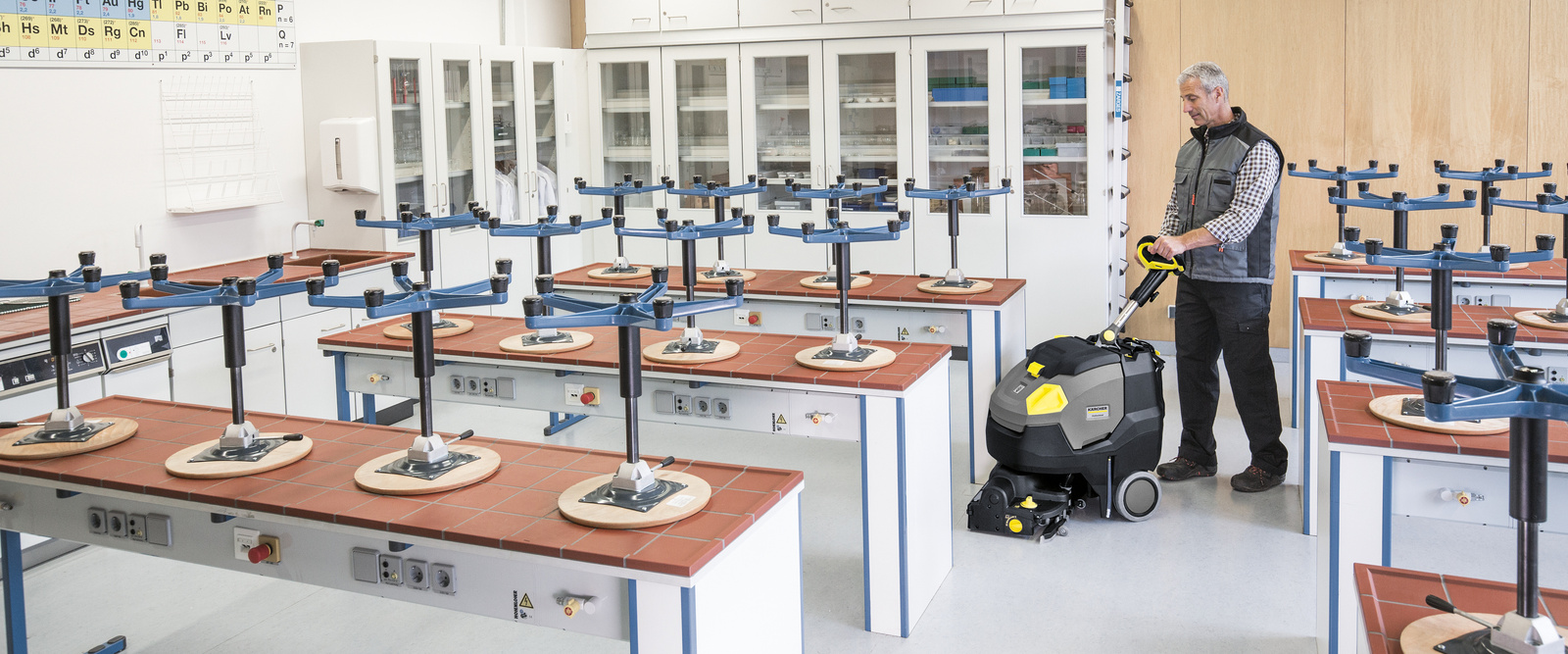
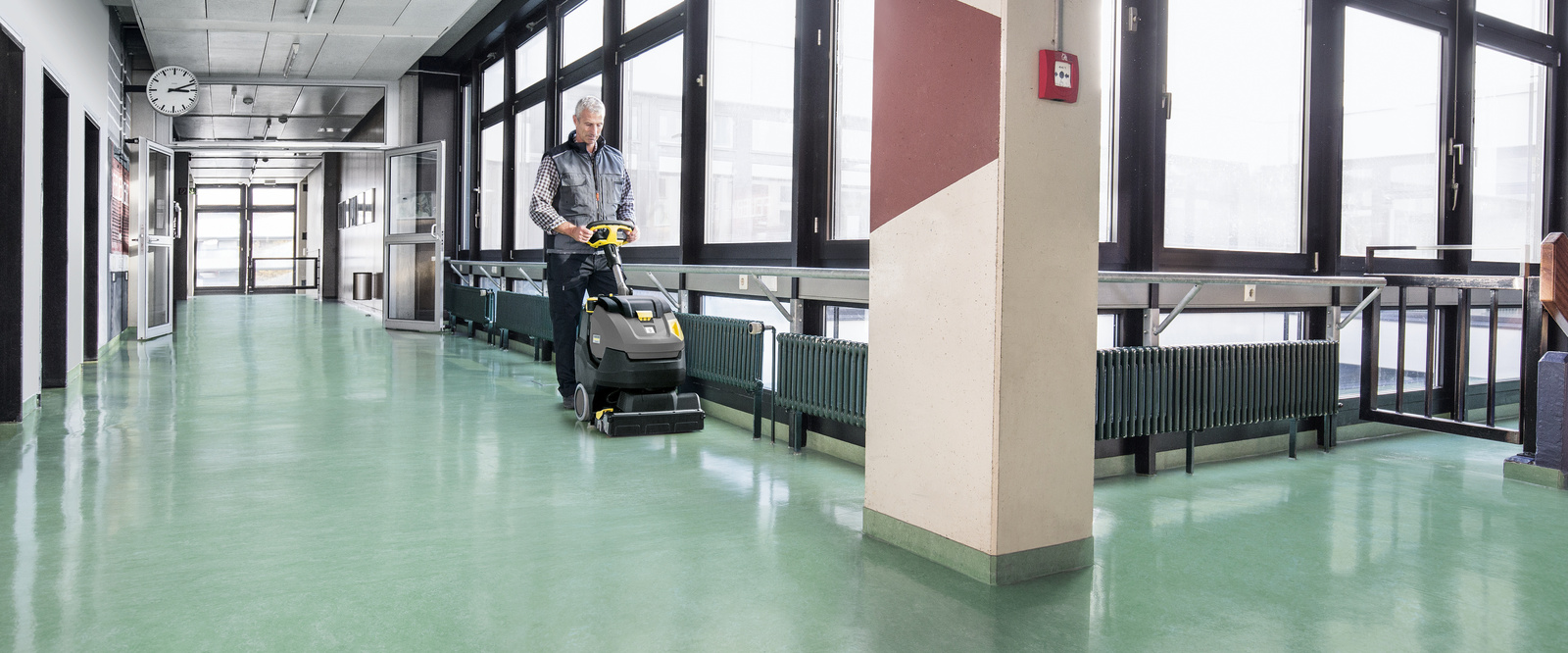
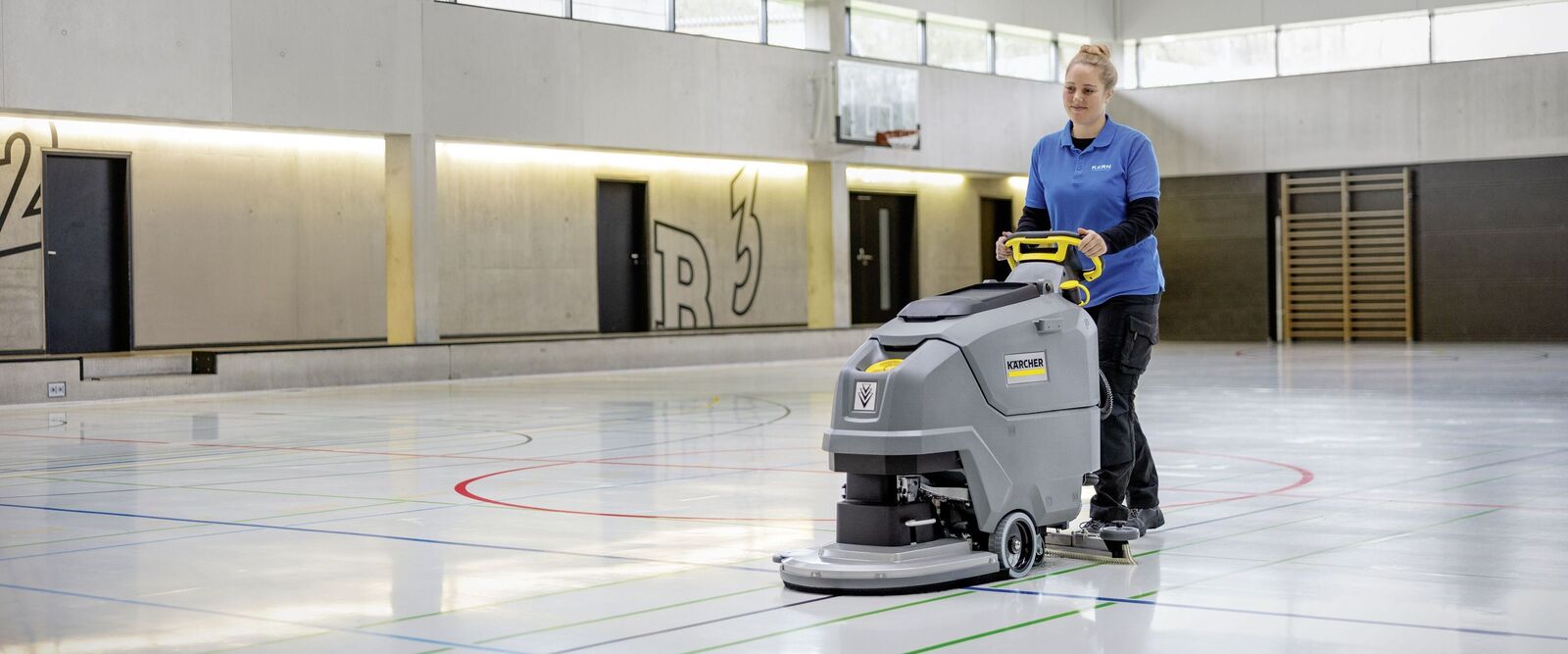
Large areas, such as gyms, cafeterias, and long corridors, can be efficiently cleaned using floor scrubbers. In addition, these machines are very convenient for users to work with. Their key advantage is that they vacuum up the dirty water entirely, making them particularly hygienic.


Cleaning Floor Coverings
Whether carpeting in a hotel corridor, concrete screed in a production hall, or wood flooring in a school building, there are countless floor coverings suitable for different loads and designed for safety with properties like anti-slip surfaces or studs. Cleaning floor coverings is important in some areas to ensure hygiene, while in other areas the focus is on appearance. In any case, well-maintained floor coverings have a longer service life and therefore need to be replaced less frequently. Through regular maintenance cleaning, even the need for labor-intensive deep cleans can be delayed.
Other Cleaning Tasks in Schools and Daycares
Educational institutions have many areas that require a lot of cleaning. Use of appropriate methods and equipment is essential to ensuring that cleaning targets are achieved efficiently and effectively, particularly in sensitive areas such as kitchens and restroom facilities.
Creating a Dirt Barrier Between Outside and Entrance Areas: Keeping Clean in All Weather
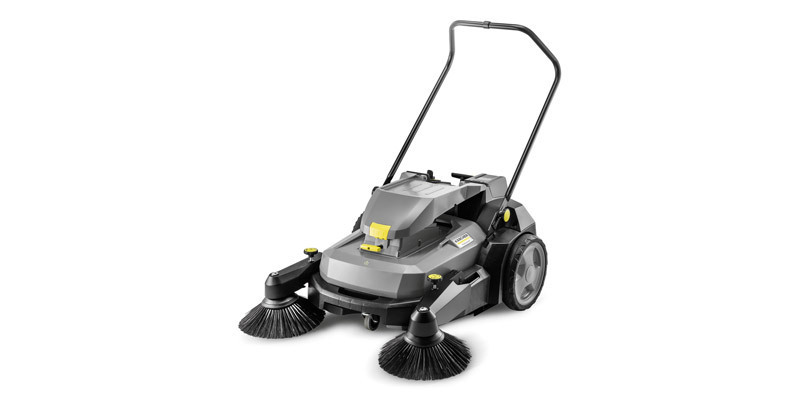
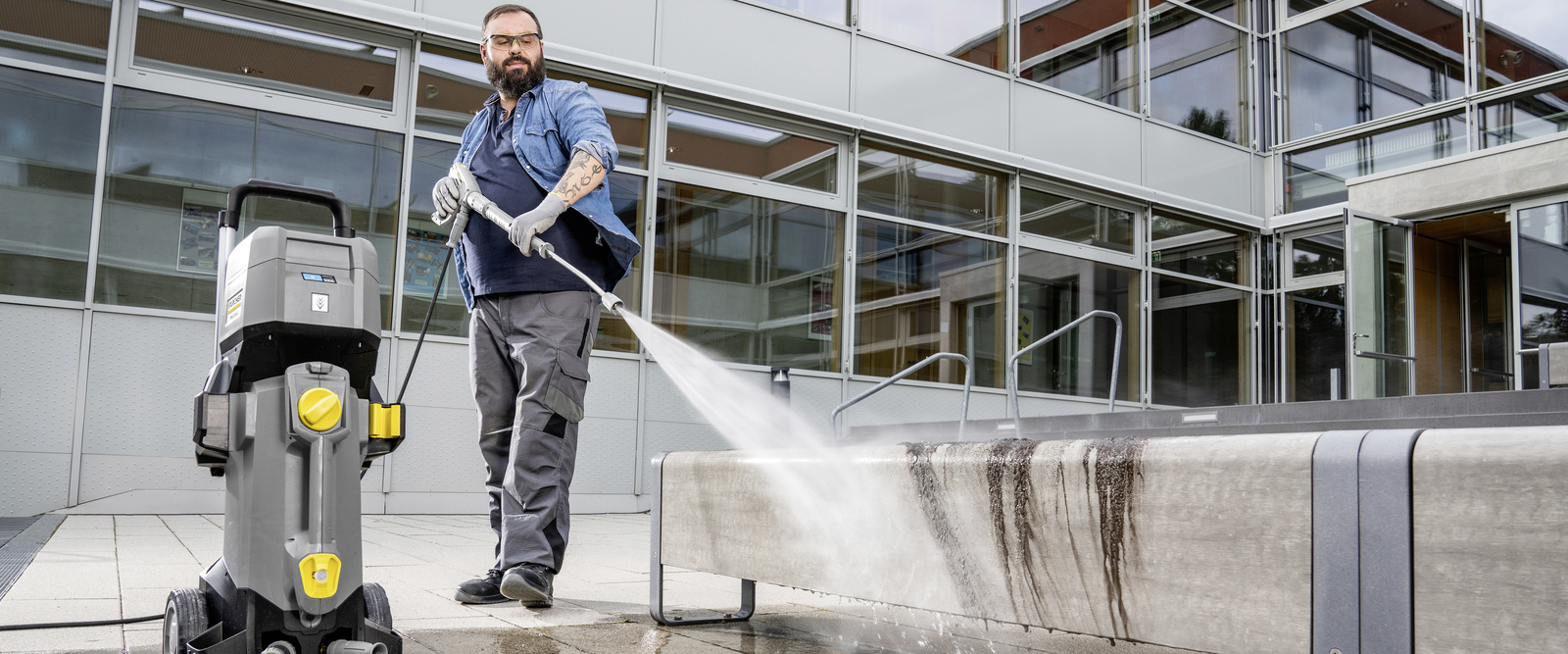
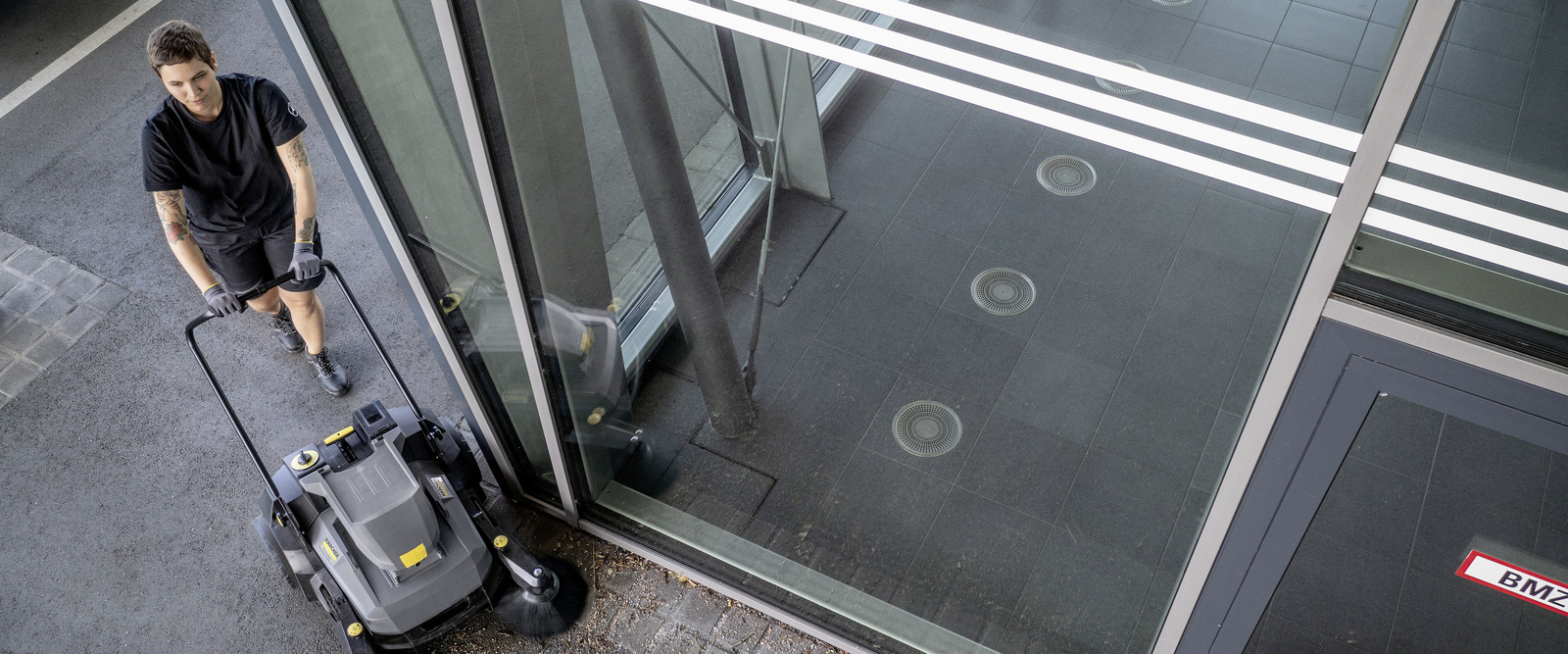
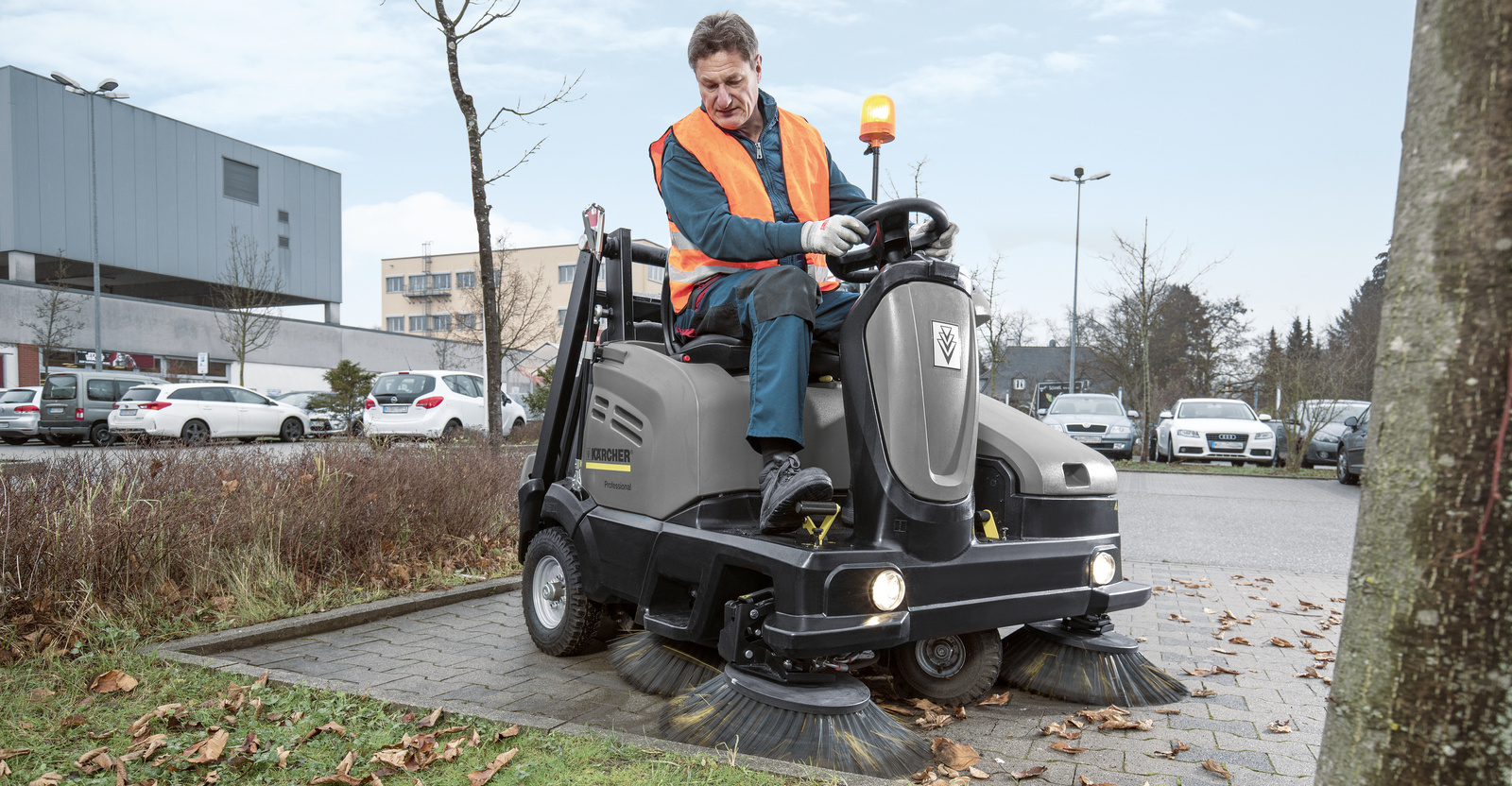
A clean outside area is not only inviting, but also reduces the amount of dirt entering the building. Walk-behind sweepers or ride-on machines are well suited to removing coarser dirt from school or daycare grounds.
Cleaning Parking Lots and Outside Areas
Whether dining in a restaurant, shopping in a supermarket, furniture store, or shopping mall, or visiting a doctor's office or a museum—often the first thing guests do upon arrival is to park their car and make a short walk to the building. There are a number of cleaning methods that can be used to make a positive impression right from the start, to prevent the risk of accidents, and to stop dirt from being brought in from outside.
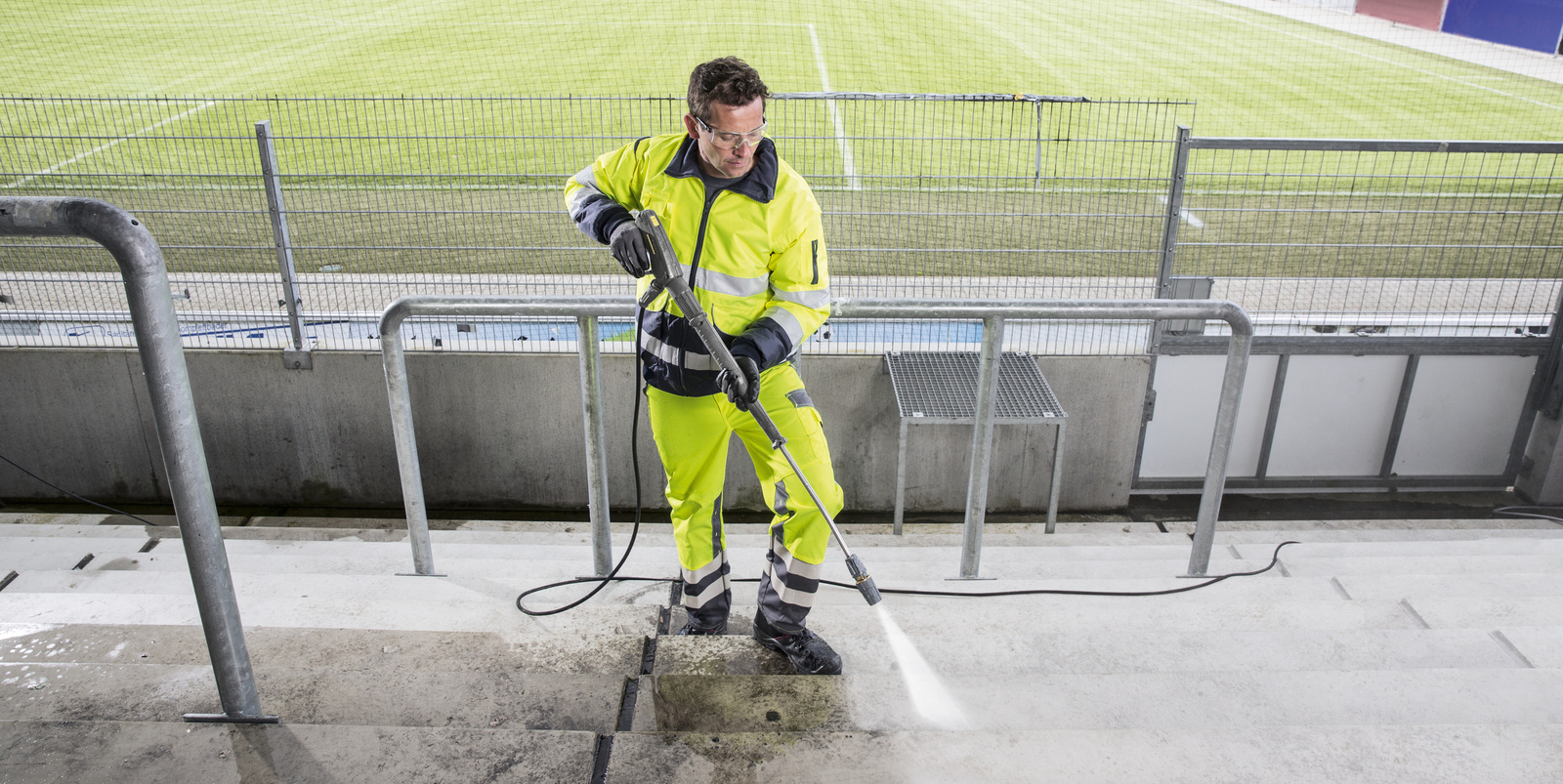
Cleaning Sports Facilities
Cleaning sports facilities is no walk in the park, especially as many sports clubs and operators have expanded their offerings to include numerous additional sports. The popularity of gyms, climbing walls, bike parks, or skate parks is matched by the difficulty operators face when it comes to keeping them clean and hygienic. But with a suitable cleaning concept, efficient cleaning technology, and flexible cordless solutions in place, local authorities and and service providers can fulfill these complex requirements efficiently and economically.
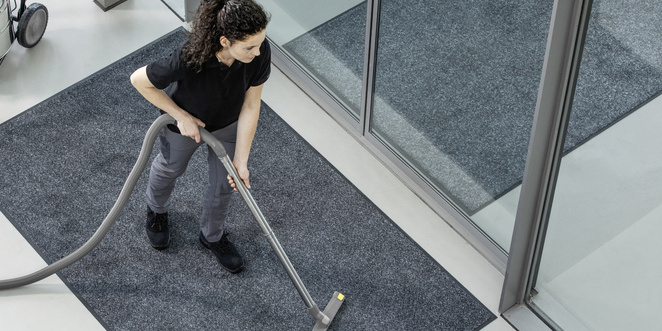
Maintaining Cleanliness on Hard Floors
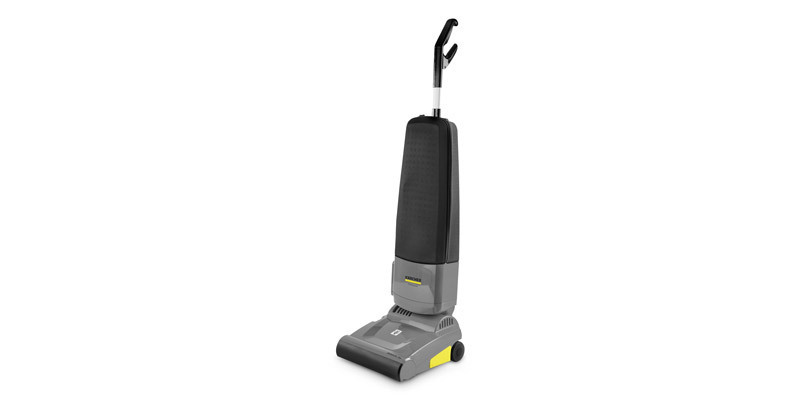
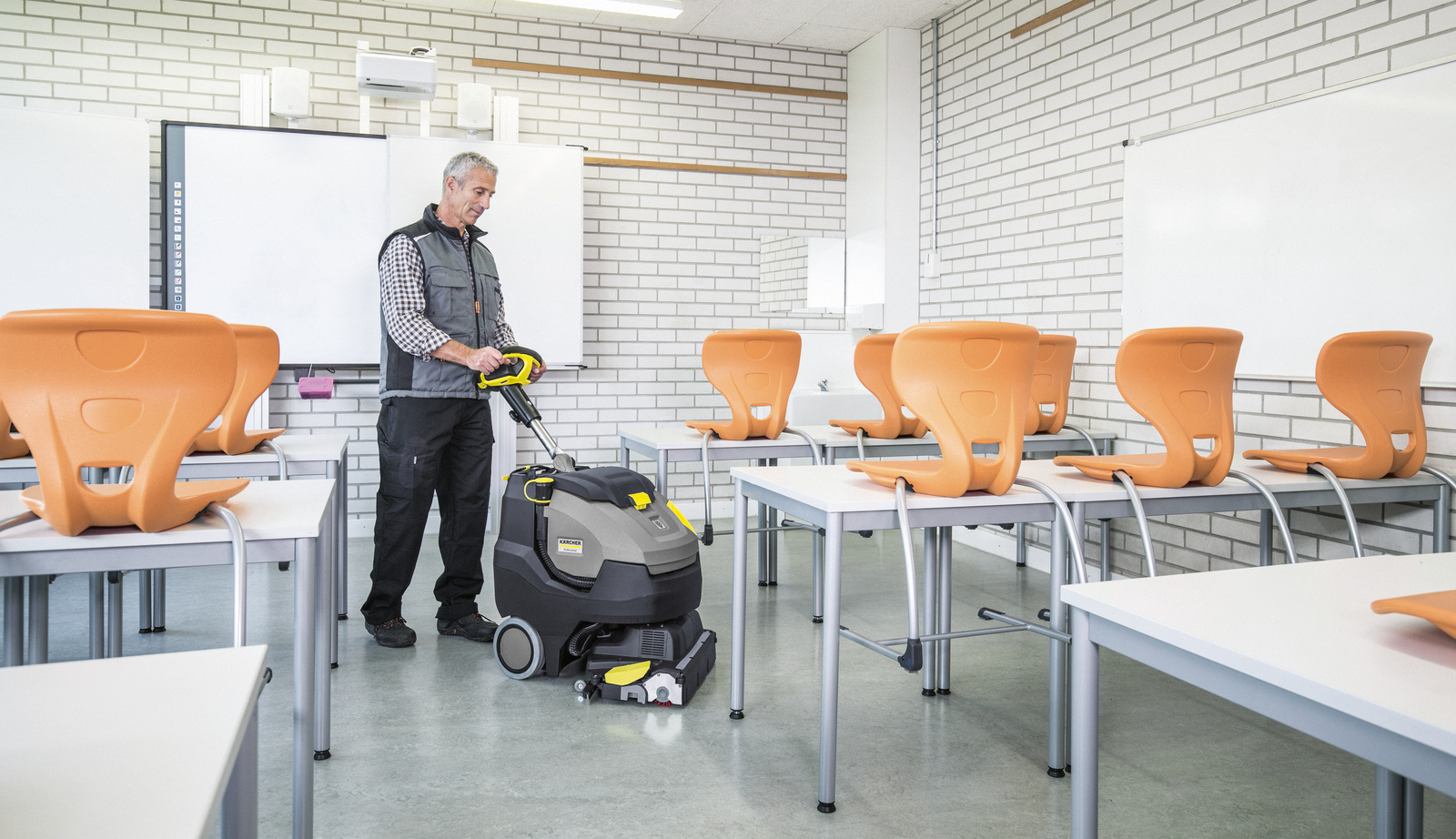
Dust control mats in the entrance are a good solution to minimize how much dirt gets walked into the building. Loose dirt and dust can be removed from these using a dry vacuum cleaner or an upright vacuum cleaner. If it's raining or snowing, a wet/dry vacuum cleaner should be used instead. Hard floors in the interior should be cleaned daily with dust mops or vacuum cleaners to remove loose dirt. A spray mop system removes stubborn dirt from small surfaces quickly and efficiently. Compact floor scrubbers are an efficient and ergonomic option for cleaning large areas of hard floor.
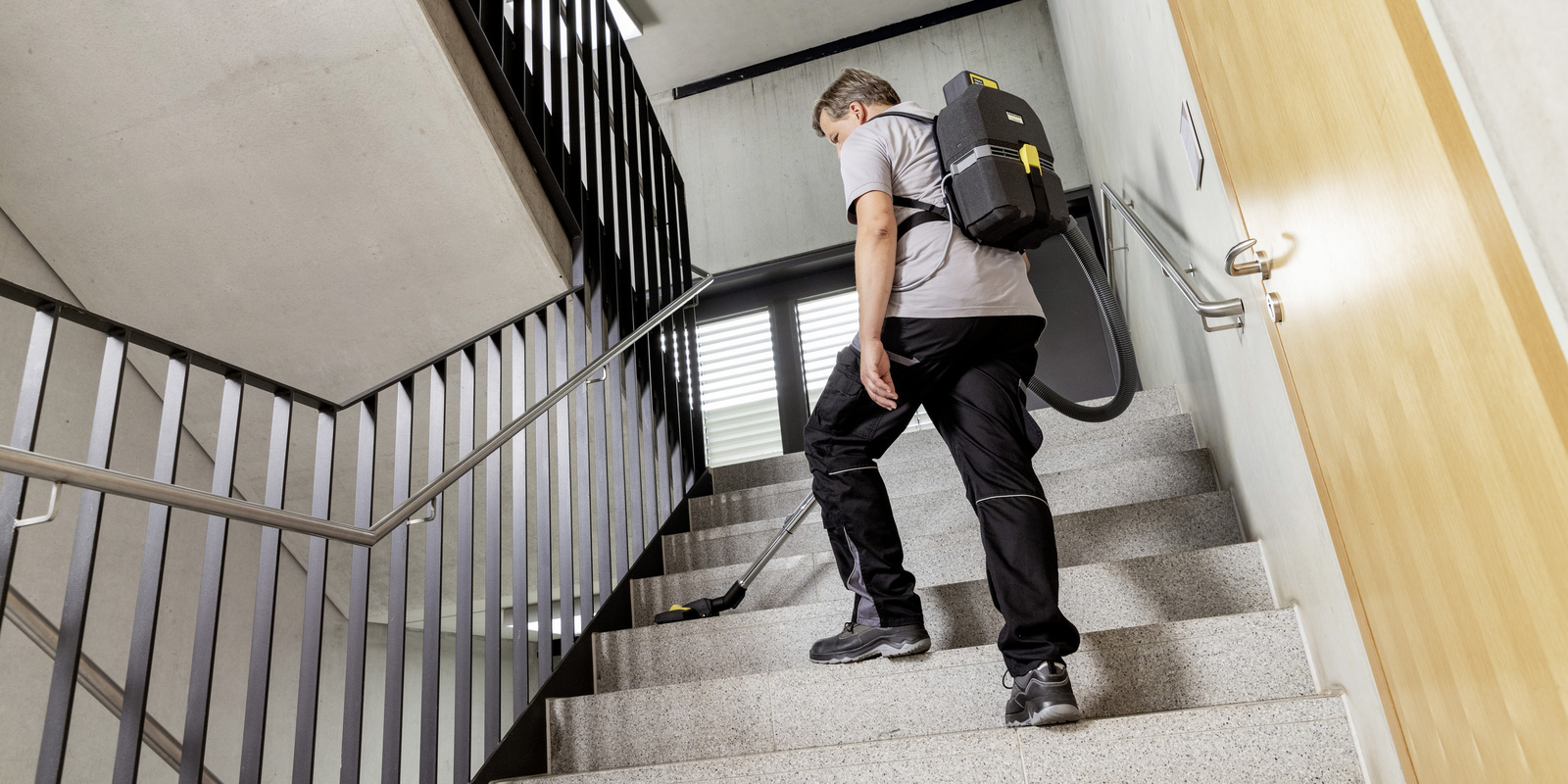
Taking It to the Next Step: Stairwell Cleaning
Large buildings usually have staircases. To make cleaning in these awkward spaces as efficient and user-friendly as possible, battery-powered backpack vacuums are the best tool for the job. They are suitable for textile flooring, resilient flooring, and stone flooring. The advantages of these are that there are no cables to present a tripping hazard, and cleaners no longer have to hunt around for power outlets.
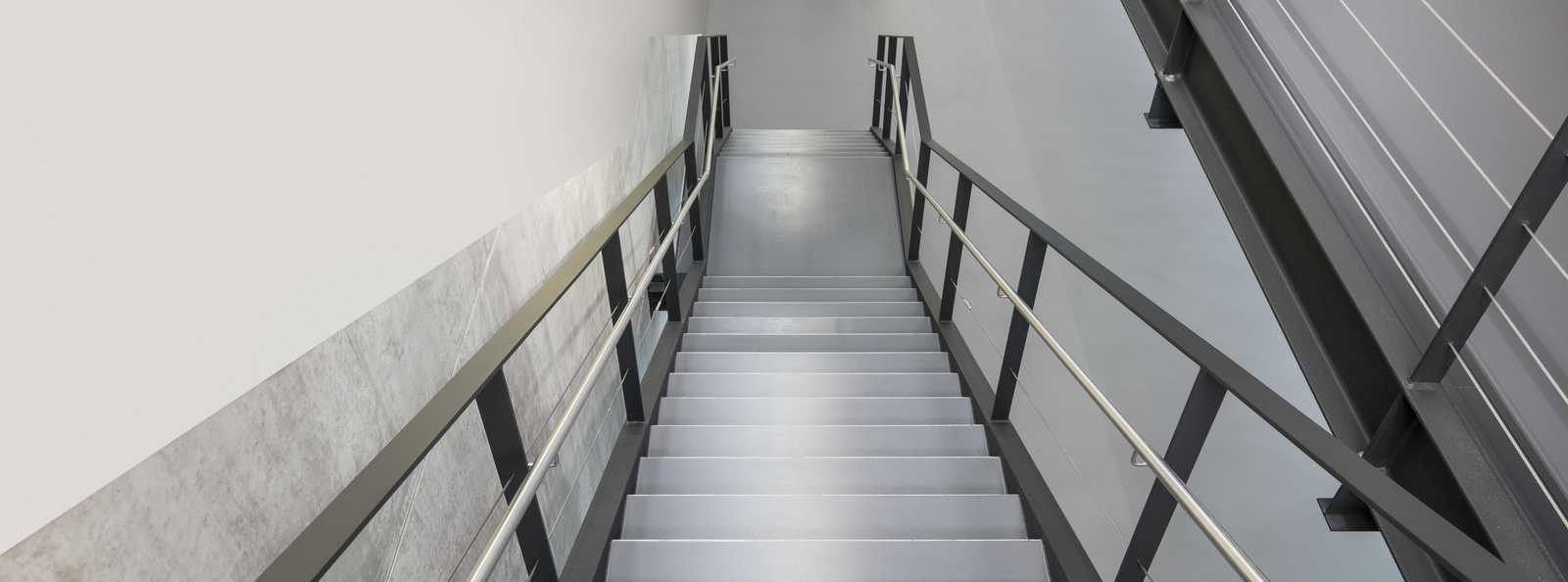
Cleaning Stairwells
Stairs can be real design elements, made from shot-peened steel or precious wood. They can be central escape routes or merely neglected pathways between the floors. In each case, cleaning jobs on a stairwell become a challenge because the spatial conditions make for hard work. Why is cleanliness still important? What must be kept in mind for various floor coverings? What are the most common operator errors? Here is an overview.
A Recipe for Success: Cleaning Kitchens in Schools and Daycares
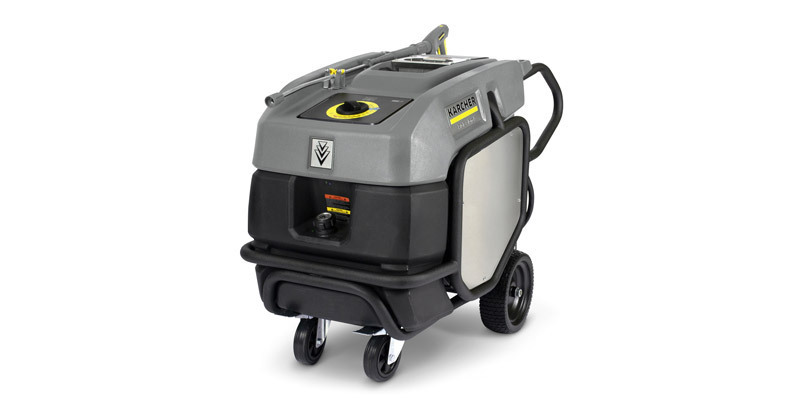
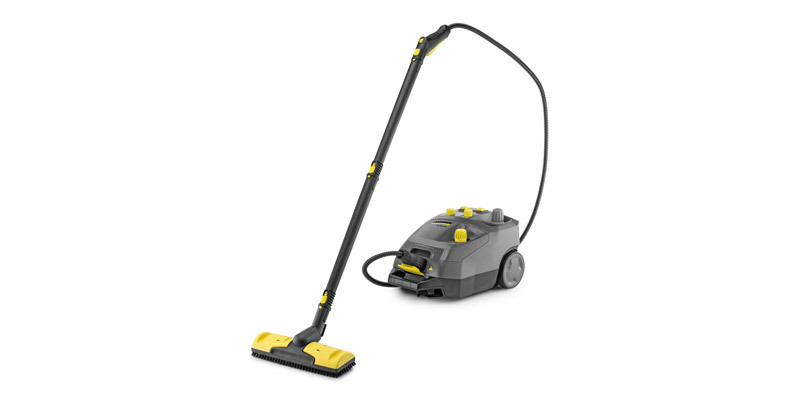
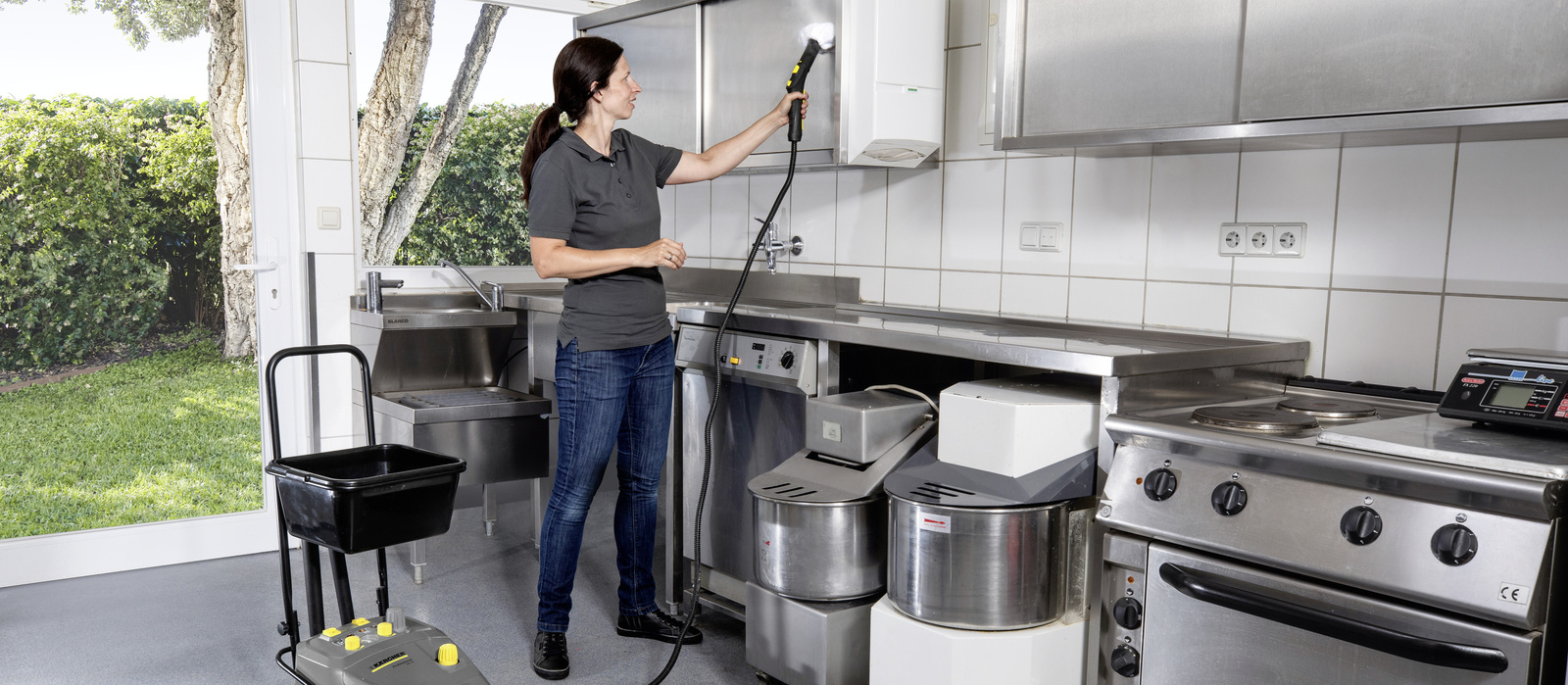
In any areas involving food preparation, hygiene has to take top priority—especially when it comes to feeding (small) children. Therefore, cleaning operations in school or daycare kitchens must satisfy strict hygiene criteria. Steam cleaners, for example, can be used to clean machines and kitchen utensils hygienically and without any chemicals. The 212°F (100°C) steam reaches every crevice and rubber seal that brushes or cloths would struggle to reach. This makes it possible to quickly and hygienically clean front panels of dishwashers or ridged surfaces.
While safety tiles on floors prevent the risk of slipping, they are also particularly inviting for dirt. Grease residues and food spills easily end up getting stuck in their recesses. Floor scrubbers with rollers are ideal for floor cleaning here, as roller machines are even easier to guide around and can also remove dirty water in the same work step.
Cleaning Kitchens
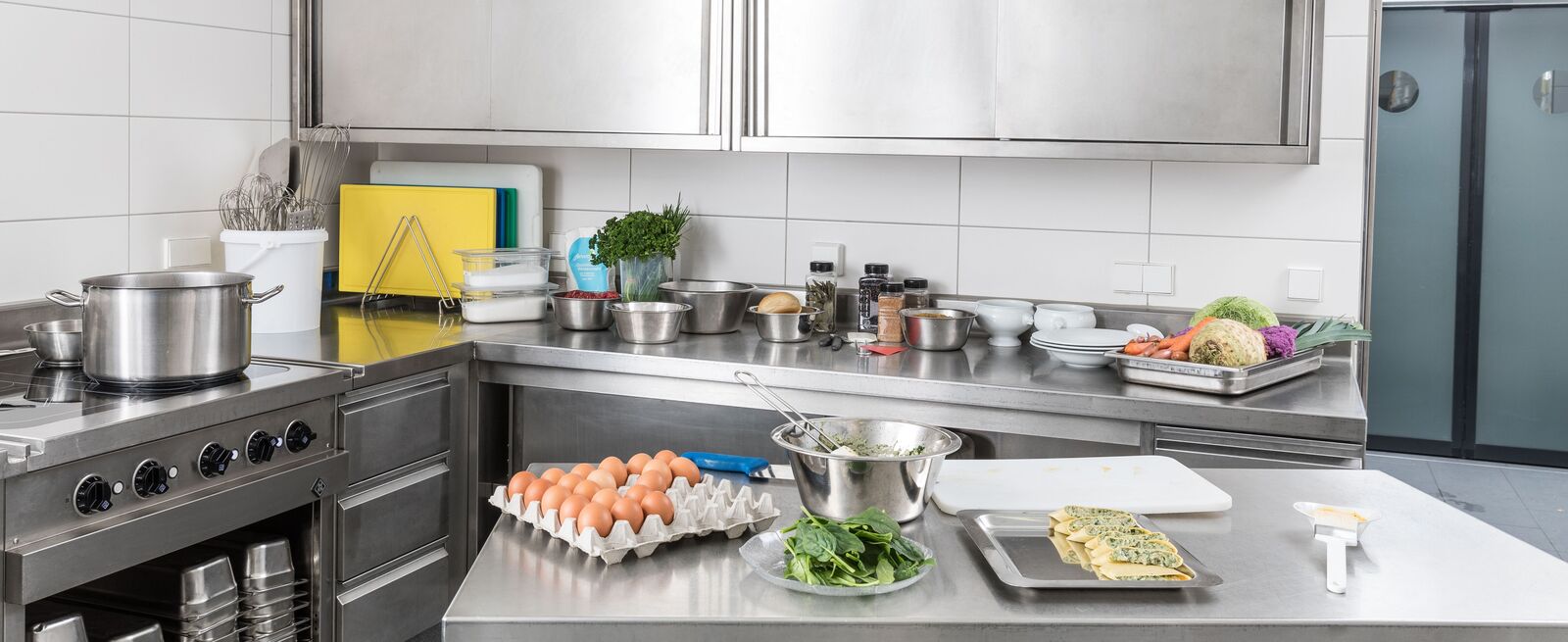
Wherever food is cooked, there will be stubborn stains. Grease and food residues must be systematically removed in accordance with HACCP guidelines in order to eliminate breeding grounds for microorganisms. What can pressure washers, surface cleaners, steam cleaners, or floor scrubbers do? What specifics need to be considered when using them? And what should disinfection look like? Here is an overview.
Top Marks for Restroom Cleaning: Detention for Germs
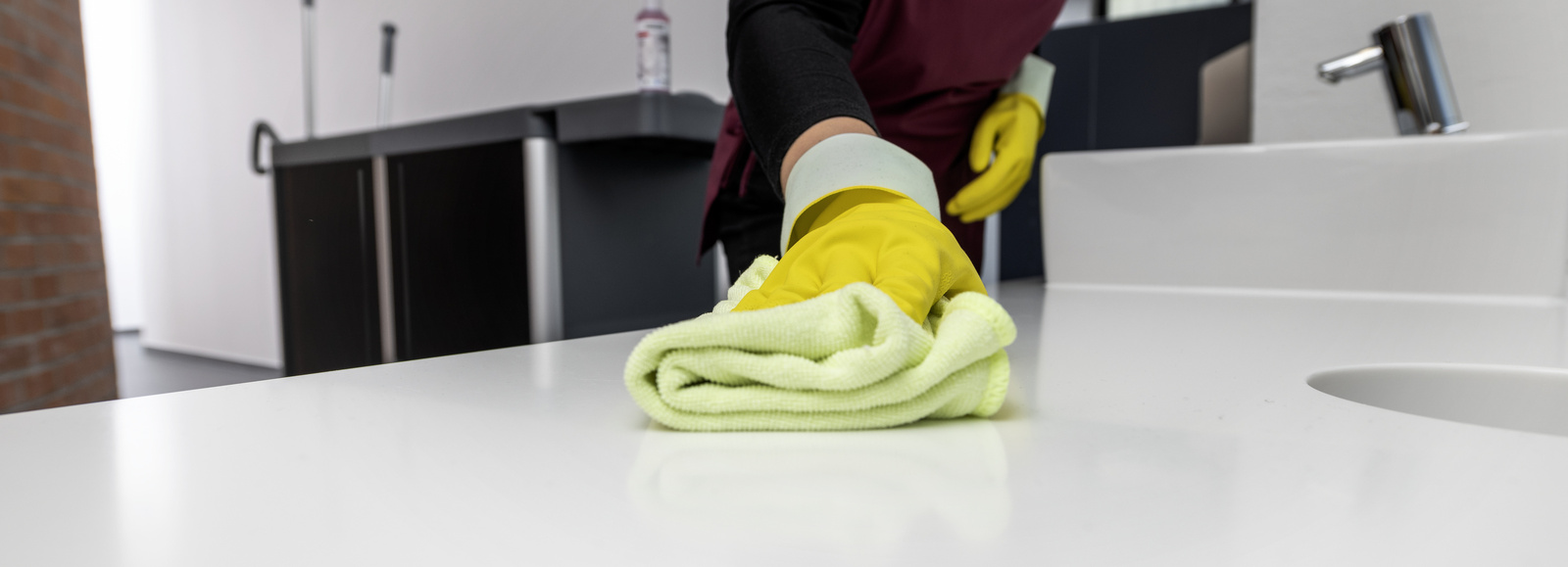
Hygiene is also critical to maintain in the restrooms of schools and daycares, which undergo frequent use. For this reason, restroom facilities need to be cleaned thoroughly at least once a day, and may even need to be cleaned more frequently. To prevent the spread of germs, the color-coded system has proven an effective method. Different-colored cleaning textiles are used to clean different areas. The signal color of red is reserved for toilets, urinals, and splash areas. Yellow cleaning textiles are used for all other areas of the facilities. The different colors provide a safe and reliable system for cleaning staff and increase confidence among students, teachers, and caregivers alike. To prevent streaks from forming when cleaning mirrors, we recommend using suitable microfiber cloths with a ready-to-use glass cleaner.
Cleaning Restroom and Changing Rooms
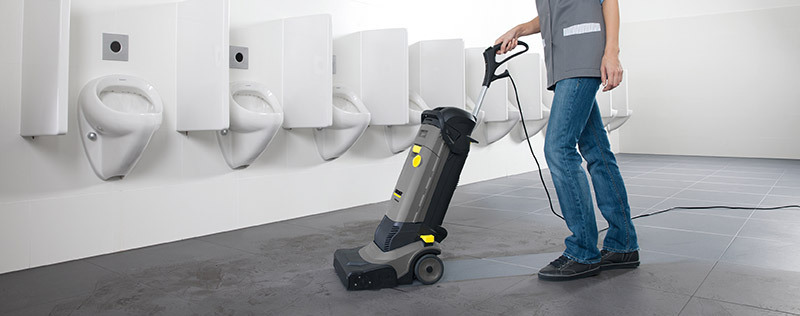
There are many reasons why careful cleaning is required in restroom facilities and washrooms: depending on the setting, toilets, showers, and changing rooms in office buildings, production facilities, hotels, restaurants, gyms, sports arenas, or shopping centers are used by many people. This inevitably leads to people's skin coming into contact with various surfaces that have been touched by practically all users of the facilities—including door handles, faucets, or toilet flush buttons. Consequently, microorganisms can pass from one person to the next. This must be prevented by means of defined cleaning sequences.
Fresh Air for Free Spirits: Air Purifiers in Classrooms and Daycares
Air purifiers can reduce the concentration of harmful substances, allergens, fine dust, and pathogens in enclosed spaces. Ventilation units with filters are available in various designs. The key component of these is their high-efficiency particulate air (HEPA) filter. Machines with an E11 EPA filter are able to clear the majority of infectious aerosol particles from the air we breathe, because they remove 99.5 percent of particulate matter between 0.1 and 1 µm in size from the air. Aside from virus-containing aerosols, allergens and other harmful or disruptive particles such as pollen, mites, animal hair, household dust, gases, odors, and fine dust are also reliably removed from the air.
Sustainable Cleaning in Schools and Daycares
Cleaning is essential to keeping infrastructure intact long-term: it not only ensures cleanliness, but also preserves value and thereby ensures sustainable operation of the premises. However, there are other aspects that make a greater contribution to environmental protection.
Spotlight on Sustainability: Cleaning for Value Preservation
Generally speaking, if maintenance and intermediate cleaning are always carried out correctly, floors, for example, do not need to be deep-cleaned or replaced as often. This alone contributes to sustainability because it allows resources to be conserved and renovation measures to be delayed. It also saves time and money. There are also other areas where building service contractors are doing their part for the environment.
Detergents for the Environment: Formula and Logistics Make a Difference
The use of cleaning chemicals whose sustainable composition is certified with national or international labels helps to protect the environment. When choosing a detergent, attention should also be paid to the environmental impact of production and transport. If an ultra-high concentrate is used during maintenance cleaning, excellent cleaning results can be achieved with small quantities. The smaller containers in which ultra-high concentrates are delivered enable major savings to be made in logistics, which has a positive impact on the carbon footprint.
Environmental Protection in Focus
Another key consideration when it comes to sustainability is the reduction of energy consumption. Many manufacturers offer machines with an energy-saving function or eco mode, which allows a good cleaning result to be achieved with less energy. For battery-powered machines, this function also increases the run time and often reduces the noise level. In addition, machines should be used that utilize resources such as water or detergents as economically as possible without compromising on good cleaning performance.
It is also important to take into account the materials used in the production of cleaning technology. For example, avoiding products that have been made from mixed materials will aid recyclability. Wherever possible, it's also preferable to use plastic components that have been made from recycled material. There are manufacturers on the market that make ultra-lightweight machines, such as battery-powered backpack vacuums, from EPP—a 100 percent recyclable material. At the same time, efforts are underway to manufacture components of larger machines, such as battery-powered floor scrubbers, partially from recycled materials—naturally with the proviso that the quality of components must not suffer as a result.

Sustainability in Building Cleaning Services
Sustainability is a major talking point in the cleaning industry. However, claims made in this regard must be reliable and comparable. The central focus is on the circular economy to conserve resources. When it comes to cleaning machines, long service lives, material efficiency, and recyclability are particularly important. Recycled plastic reduces the use of virgin plastics while lower energy and water consumption reduces the emissions the machines are responsible for. When it comes to cleaning chemicals, the need for efficiency needs to be harmonized with the need to protect the environment. Last but not least, ergonomic products that focus on the user must not be overlooked.